Diagnose your own pattern instead of copying someone else's swing
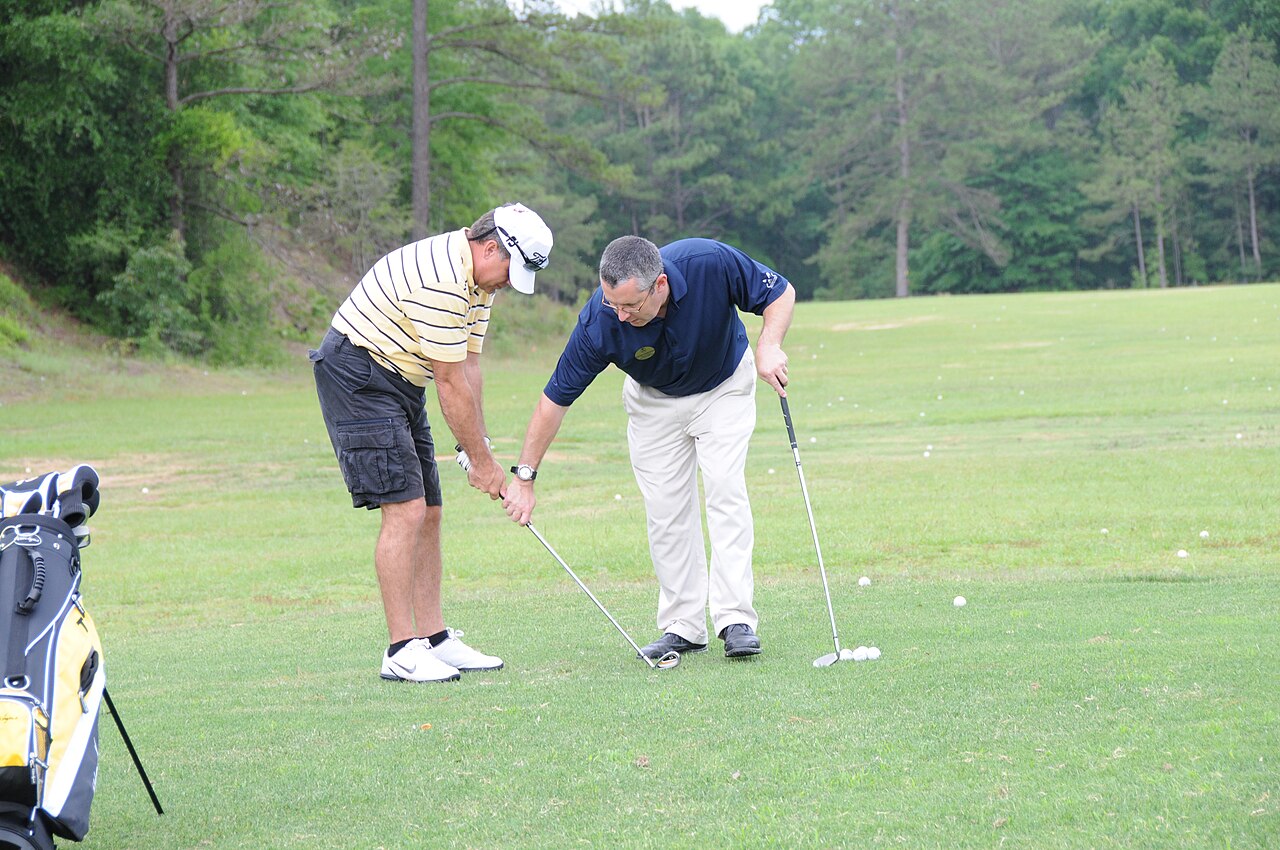
On October 7, 2026, Titleist published a 32-minute coaching session featuring Joe Plecker and Ian Gilley, co-founder of Sugarloaf Social Club. Gilley, a former Rollins College golfer, wanted to rediscover his controlled draw with an iron. Thin contact and shots launching high, finishing short and right were among his concerns. The value of the lesson is its sequence: Plecker looks at the ball flight before testing how Gilley's trail-hand grip relates to the external rotational mobility of his shoulder.
The grip is not the shoulder
A grip describes how a player holds the club. External shoulder rotation is a joint movement, not a synonym for wrist position or clubface angle. Plecker examines whether Gilley's grip makes sense alongside his available shoulder motion. This is an example of individual assessment, not evidence that everyone who hits a fade has restricted shoulders—or that one grip position fits every golfer.
The session also considers posture, stance width, swing path and where the club travels after impact. Plecker explores a wider stance and trail-foot pressure to support rotation. Pressure under the trail foot at one point in the swing does not mean the golfer should remain stuck on that foot through impact. Sequence matters more than holding a static weight distribution.
What a “squeeze shot” adds
Gilley practices a controlled iron option featuring roughly a three-quarter backswing and a shortened, half-length finish. The “squeeze shot” is not a separate club or a guaranteed low-flight recipe. It provides a way to compare contact, trajectory and carry against his stock shot. At the end of the lesson he applies the relevant cues to three categories: stock iron, squeeze shot and maximum-effort iron swing.
A video lesson cannot establish which grip or hip position will suit a different golfer. Physical capacities and preferred ball flights vary. Do not force shoulder rotation or work through pain; persistent restrictions merit qualified, individual advice.
A 24-ball GOLFTWITT practice check
This is an editorial practice exercise, not a Titleist research protocol. Choose one iron and a clear target. Hit six normal shots, noting the starting line, curve, strike quality and carry if measured. Then hit six controlled shots with a shorter backswing and abbreviated finish, prioritizing repeatable contact over distance.
For the third set, hit six stock shots after an unforced rehearsal of balanced body rotation; leave your grip unchanged so the comparison is interpretable. Finish with six more ordinary shots and see whether any difference remains when you drop the extra rehearsal.
Count thin strikes and large misses rather than selecting the single longest ball. If using launch-monitor figures, compare carry to carry, not carry against total distance including rollout. Twenty-four balls cannot establish a causal explanation or long-term improvement.
The takeaway: Plecker's session is a case study in matching instruction to the player's actual ball flight and movement options. It is an invitation to observe how hand position, freedom to rotate and contact interact—not a universal swing template.
Source: Titleist, “Training Day with Joe Plecker and Ian from Sugarloaf Social Club,” published October 7, 2026; 32-minute instructional video. Original: https://www.titleist.com/videos/instruction/training-day-with-joe-plecker-and-ian-from-sugarloaf-social-club