On 27 October 2026, Golf Monthly published Jeremy Ellwood's advice for playing when the course is cold, wet and soft underfoot. Winter golf is not simply summer golf with warmer clothing. Turf conditions, grip security and the difference between carry and rollout can alter the sensible choice of club and target. The following explains those ideas and suggests a small, observational practice session. It is not a promise of lower scores.
1. Separate carry from total distance
A ball landing on soft ground often rolls less, so total distance may fall even when carry is similar. Carry is the distance to the ball's first landing; total distance includes subsequent rollout. Temperature, wind, ball condition, strike quality and swing speed may also affect flight, so do not attribute every lost yard to one cause.
Before a round, hit several ordinary shots with a familiar iron on a permitted practice area. If reliable launch data are available, compare carry. Otherwise estimate the first landing spot instead of judging only where the ball eventually stops. If the shot is shorter than your usual summer expectation, reconsider club selection and landing target rather than forcing a faster swing.
2. Soft lies make wedge sole design relevant
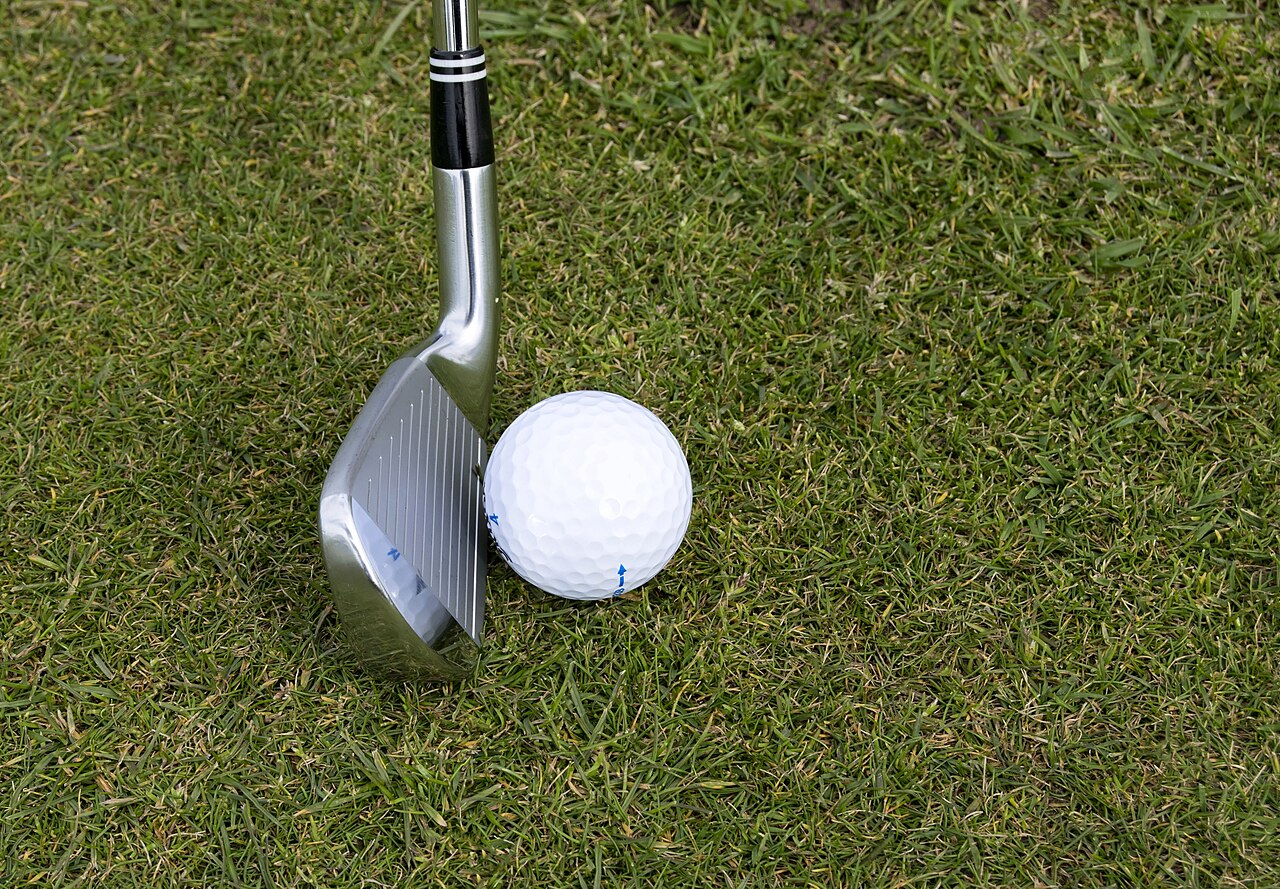
Bounce is a characteristic of a wedge sole, not the bounce of the ball after landing. With some swings and lies, more bounce helps keep the leading edge from digging excessively into soft ground. That is why Ellwood suggests considering higher-bounce wedges in wet winter conditions.
Yet bounce alone does not dictate performance. Sole width and grind, angle of attack, lie, and face orientation all matter. An option that works on soft turf may not be preferable on a tight, firm lie. Test the wedges you already own and seek fitting advice before altering loft or sole specifications.
3. A hybrid can be an alternative, not a cure-all
A hybrid's shape and sole can make contact easier for some golfers on soft turf than with a long iron, although performance varies. Around the green, a simple hybrid chip is another possibility when the ball has a clean lie and room to run. Remember that it can come off the face and roll quite differently from a wedge chip. Rehearse landing distance and rollout in practice before choosing it during a round.
4. Protect the grip and simplify decisions
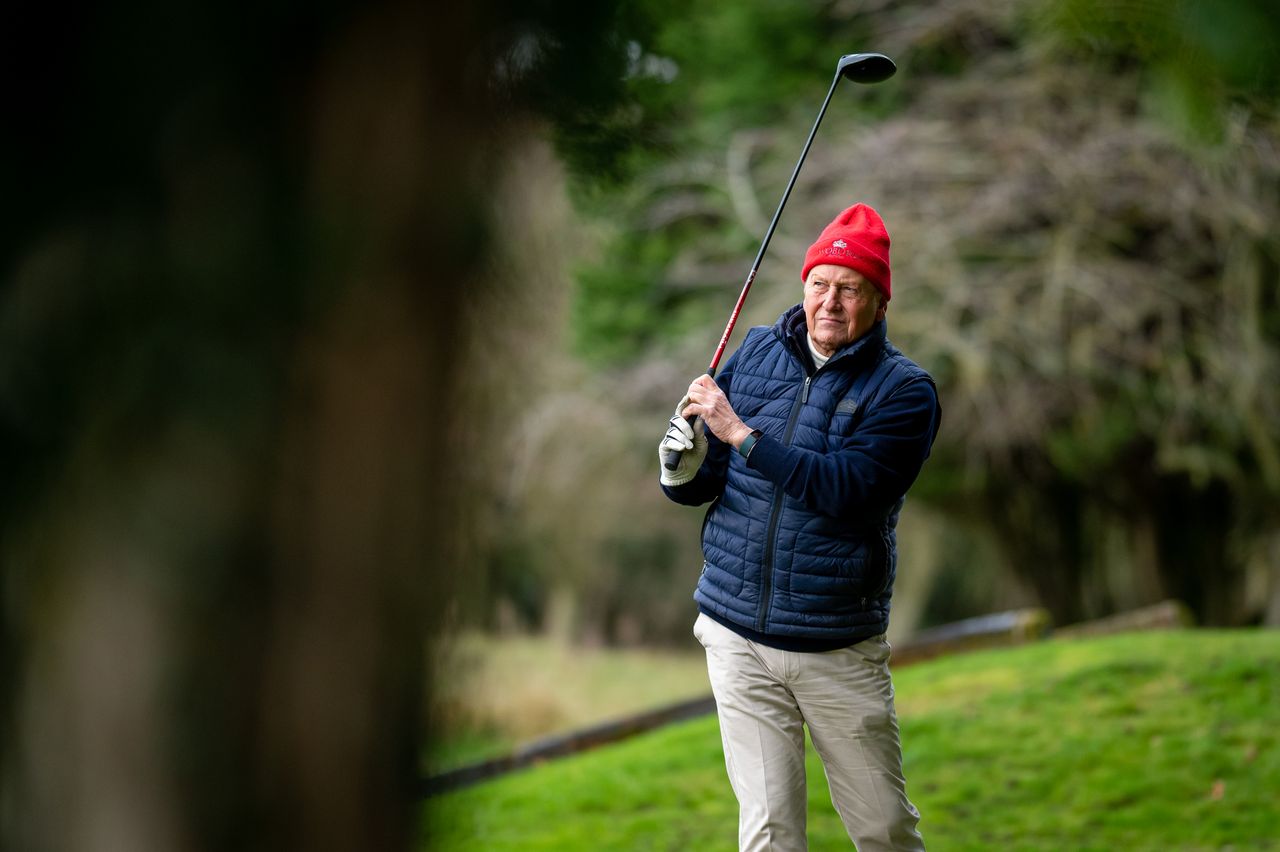
Rain on the grip and cold fingers undermine control. A dry towel, suitable wet-weather gloves and warm hands between shots may be more useful than an elaborate swing thought. Clothing should keep you warm without restricting shoulder and torso rotation; check movement before leaving the practice area.
When the ball travels less far, moving to a forward set of tee markers can be a sensible choice where the course offers one. Select targets that leave manageable misses rather than attacking every flagstick. Do not play on closed or dangerously frozen surfaces, and follow the course's turf-protection instructions.
5. Preferred lies require an actual Local Rule
The R&A explains that Model Local Rule E-3 permits preferred lies only when adopted by the Committee, in the stated area and within the specified placement distance. The ball must not be placed nearer the hole. This is distinct from Model Local Rule E-2, which concerns lifting, cleaning and replacing on the original spot. Check the club's notice before acting; wet weather does not itself activate either option.
A 12-shot winter assessment
On an open, authorised practice area, hit six approach shots with the same iron and intended target. Note approximate first landing points, directional misses and where each ball finally finishes. Record changes in wind or lie; these observations are not controlled measurements.
Next, if the practice ground permits shots from soft turf, hit six short pitches: three with a familiar wedge and three with a wedge whose sole or bounce differs. Compare contact, divot depth and landing consistency rather than selecting the single best result. If turf conditions make this unsafe or damaging, omit the comparison.
Twelve shots are a personal diagnostic snapshot, not a validated training protocol or proof that a club is superior. Repeat another day, changing one variable at a time. The goal is to understand the conditions and make a better-informed decision during play.
Sources: Golf Monthly, Jeremy Ellwood, 27 October 2026 (https://www.golfmonthly.com/features/10-tips-and-tricks-to-make-winter-golf-easier-than-ever-before); The R&A, explanation of Model Local Rules E-2 and E-3 (https://www.randa.org/articles/the-r-a-2024-2025-winter-rules-faq-s).