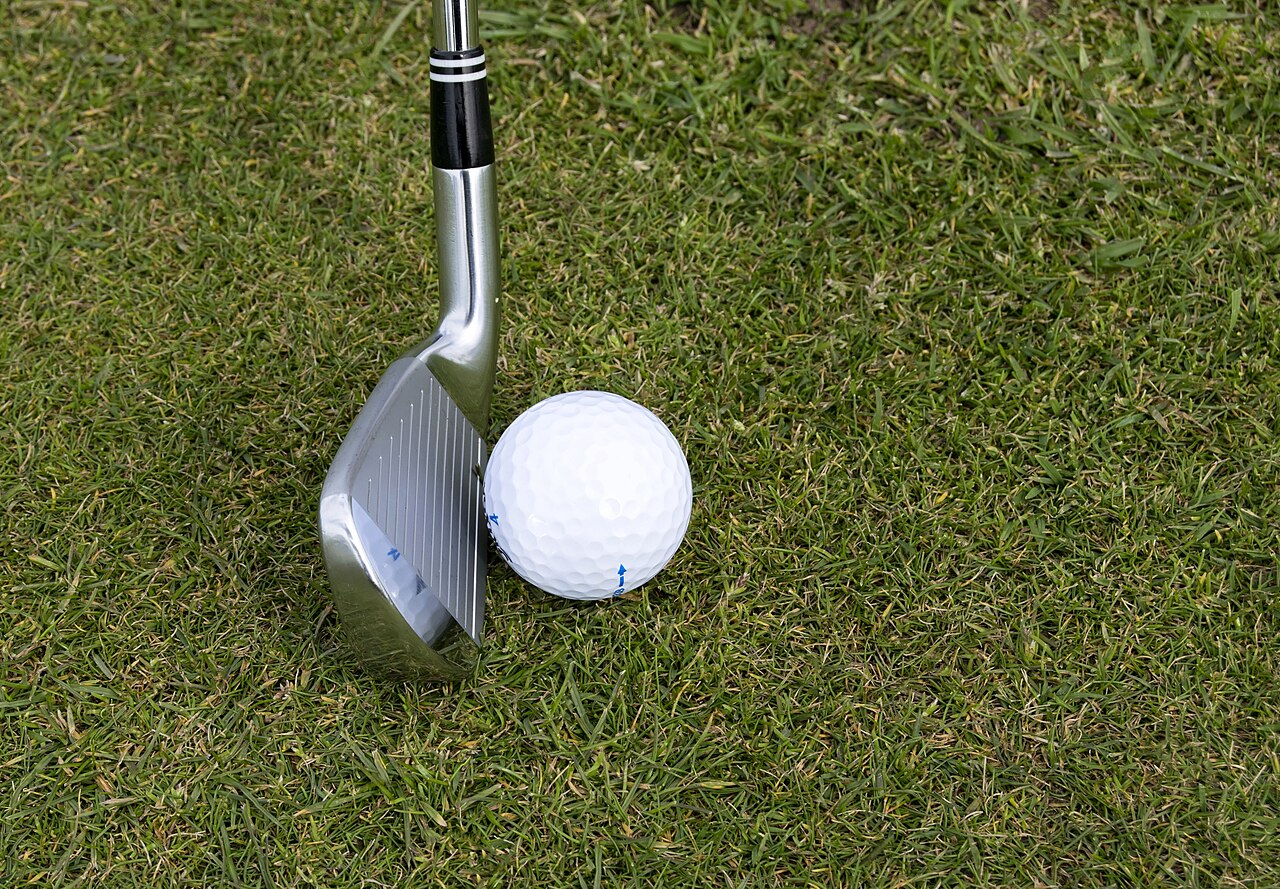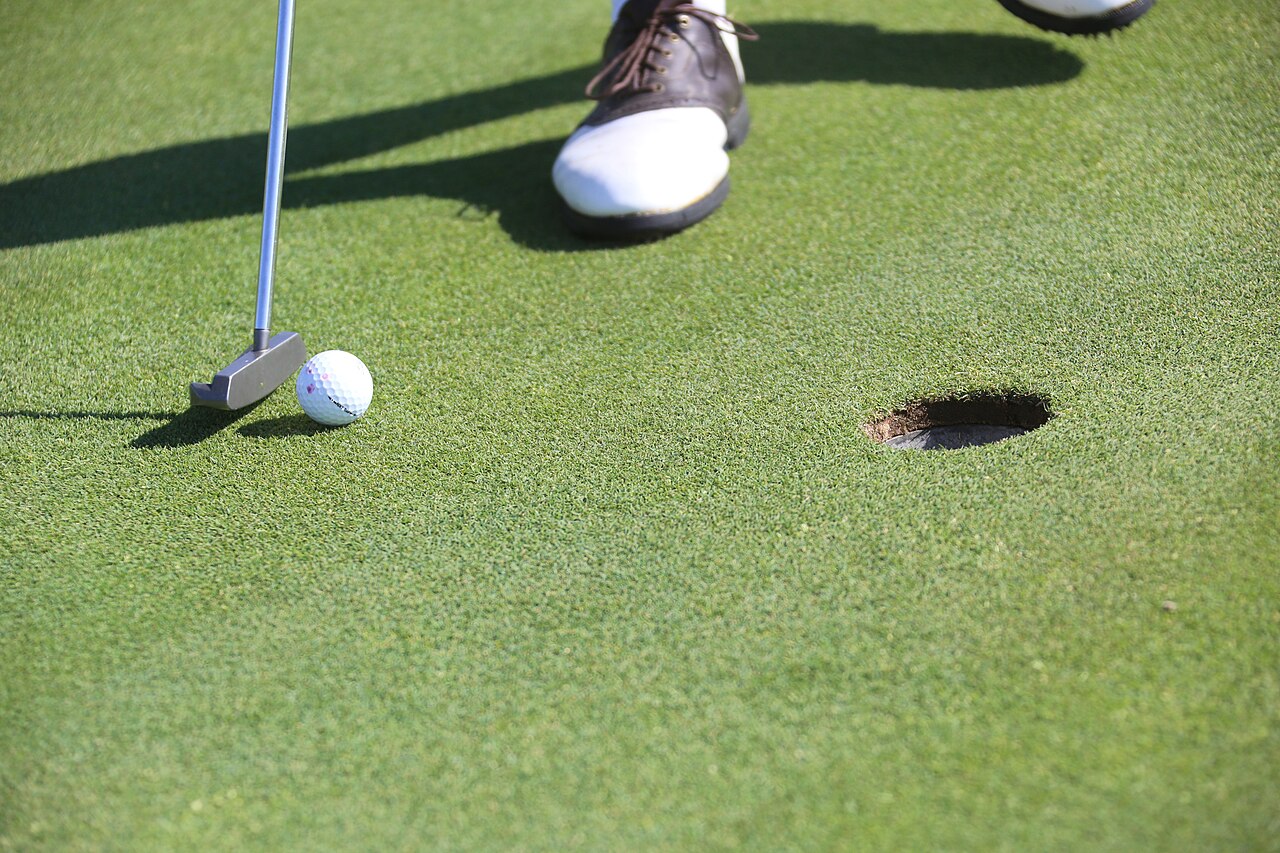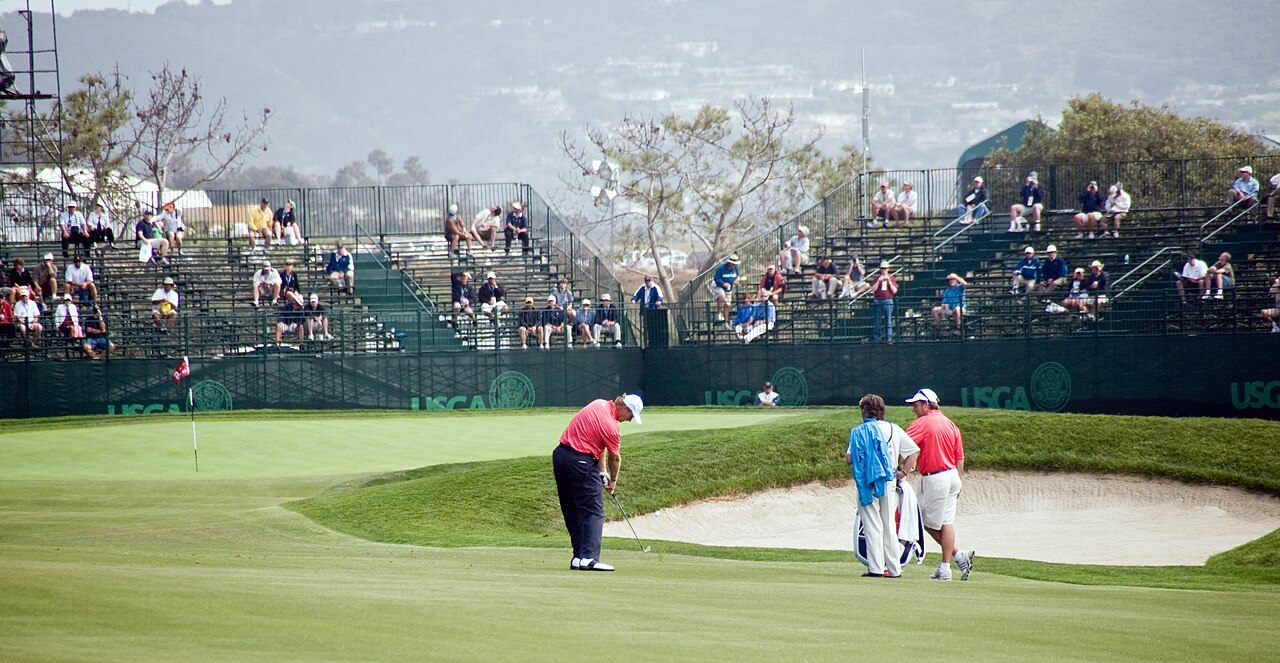
A short chip and a full swing have different jobs. A driver swing seeks substantial clubhead speed; around the green, the priority is a predictable landing spot and rollout. That is why a short-game motion need not be a miniature version of a power swing. A Titleist Performance Institute (TPI) explanation published on October 9, 2026 examines the distinction through 3D motion analysis.
What Greg Rose observed
TPI co-founder Dr. Greg Rose compared a full swing with a short finesse-wedge motion performed by one elite golfer. In a typical full-swing kinematic sequence, rotational-speed peaks occur in order across the pelvis, torso, lead arm and club, with later segments reaching higher peaks. This describes the timing of acceleration and deceleration, rather than a set of poses to imitate.
In the illustrated chip of roughly 10 yards, the pattern changed. The torso rotated faster than the pelvis, while the lead arm did not show a distinct additional speed peak relative to the torso: both accelerated and decelerated in close coordination. The club still moved faster. The arms and trunk worked together without freezing the club's release. This is an observation from a particular measured swing, not a universal prescription.
How to interpret the finding
For a chip, useful outcomes include contact quality, carry to a chosen landing point and rollout afterwards. Some players introduce unwanted variability by accelerating the arms separately while the chest stops turning. Yet the opposite instruction—lock the wrists, squeeze the elbows together or force the torso and arms to move as one rigid object—goes beyond what the TPI example demonstrates.
Rose mentions the familiar towel-under-the-arms rehearsal as one possible way to sense coordinated movement. It is feedback for a movement feel, not a demand that every golfer adopt one technique. The club must remain free to move and release, and different players can chip effectively in different ways.
An editorial 24-chip observation exercise
This is a practical self-check devised for this article, not a tested TPI training protocol. Choose a safe, reasonably level chipping area, one wedge, a consistent ball type and a visible landing zone. Keep the task and intended carry similar across attempts.
Chips 1–8: establish a baseline. Pick a landing point before each shot. Record contact (clean, heavy or thin), where the ball first lands relative to your target and the final distance after rollout. Do not judge the entire session by an occasional hole-out.
Chips 9–16: explore coordination. Without a ball, make a few relaxed rehearsals of the chest and arms turning together. If comfortable, lightly hold a small towel under the upper arms for dry rehearsal only, then remove it. Hit the shots without squeezing your arms or deliberately restricting wrist movement.
Chips 17–24: check transfer. Return to your normal pre-shot routine, keeping only any useful feeling. Record the same three measures and compare the pattern of your typical misses, rather than your best single result. No measurable change is a legitimate outcome.
Important limits
The TPI demonstration concerns one highly skilled golfer, not a controlled trial establishing that this movement pattern improves everyone's performance. Club selection, lie, shot length, body capacity and individual technique all matter. Ordinary phone video cannot directly measure the precise segmental angular velocities captured in a 3D system. If contact remains inconsistent, a qualified instructor can assess your movement and ball flight in context.
Takeaway: A chip is not simply a smaller driver swing. Explore cooperation between torso rotation and lead-arm movement, then judge its value by repeatable contact and distance control—not by a pose that merely looks correct.