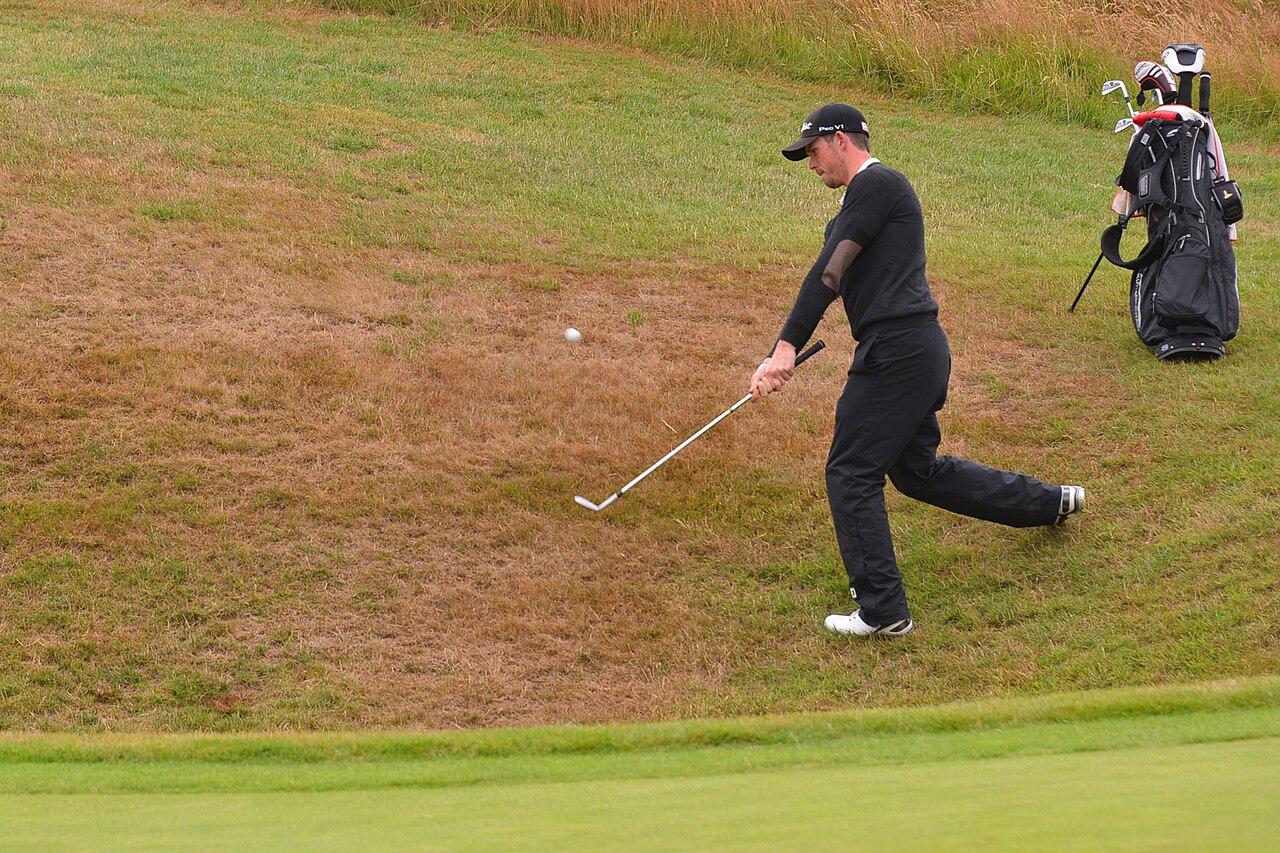
Why a partial wedge shot can expose a different miss
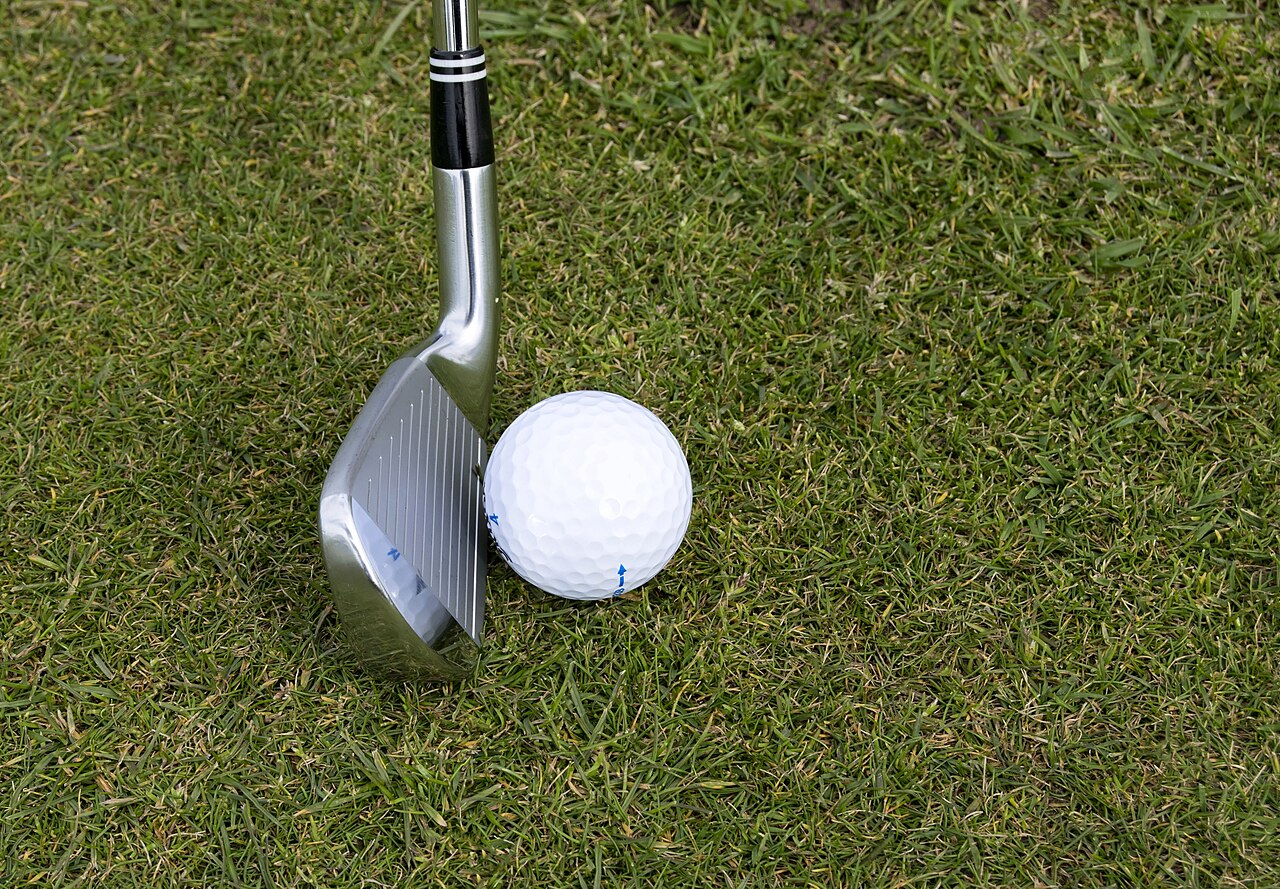
A player may strike full wedge shots cleanly but produce a sudden shank when trying to hit a shorter distance. A shank is a strike near the club's hosel, rather than the intended hitting area of the clubface. For a right-handed player it often sends the ball sharply right; ball flight alone, however, cannot confirm the contact point.
In a 20 October 2026 Women & Golf lesson, Sue Shapcott, PhD, PGA GB&I, suggests examining the takeaway, the initial movement of the club away from the ball. Her explanation is that a player may compensate for an early movement fault during a full swing but have less opportunity to do so in a shorter motion. It is a useful diagnostic possibility, not proof that every shank comes from the takeaway.
Observe before changing your swing
First establish whether the ball really struck the hosel. A suitable clubface impact indicator or feedback from a qualified coach can help. Repeatedly attempting to reproduce a shank is not necessary.
Compare full and partial shots with the same wedge, keeping ball position, intended target and address as consistent as practical. Film slow rehearsals from face-on and down-the-line positions, with the device outside the swing and ball-flight area. Examine the first part of the backswing: where does the clubhead travel relative to the hands? Is that relationship different between the two motions?
Other factors may contribute: distance from the ball, balance, arm path, clubface presentation and the lie in the rough. A single miss cannot identify the cause. What feels like an identical motion may also look different on video.
An editorial 18-shot observation session
This is an optional practice comparison, not a validated intervention and not a guarantee that the problem will disappear.
Shots 1–6 — baseline: Hit your normal partial wedge shot to a safe target. Note strike quality, starting direction and landing area. Avoid changing several things at once.
Shots 7–12 — deliberate rehearsal: Before each ball, make one relaxed takeaway rehearsal using a movement previously agreed with your coach. Keep your natural tempo. Do not force the club into a rigid straight-back path or hold your wrists tense.
Shots 13–18 — transfer: Return to your normal pre-shot routine without the extra thought. Compare the frequency of solid contact across all three groups, and check whether any change persists when attention returns to the target.
Do not judge the session by one excellent result. Stop if the motion causes pain or discomfort. Persistent shanks warrant a coach's assessment, ideally using the videos, rather than a series of unverified grip or posture changes.
What the lesson does — and does not — establish
Shapcott's point is to investigate the early takeaway when a problem occurs mainly in partial shots. The lesson is not a controlled experiment and does not establish a universal cause. Better decisions start with confirming the strike and comparing observable movements.
Source: Sue Shapcott, Women & Golf, 20 October 2026.