On 27 October 2026, journalist Antony Martin revisited Chris Gotterup's comments about how firmly to hold a driver. The chronology matters: this was not a new interview. The original conversation appeared in Dave Allen's Golf Digest article on 15 November 2022. The new Yahoo Sports piece brought his advice back into discussion. Gotterup describes his personal preference: his hands should retain control of the club while his arms remain relatively free of unwanted tension. That is a player's experience, not a controlled experiment establishing one ideal grip pressure for everybody.
A strong grip is not the same as a firm grip
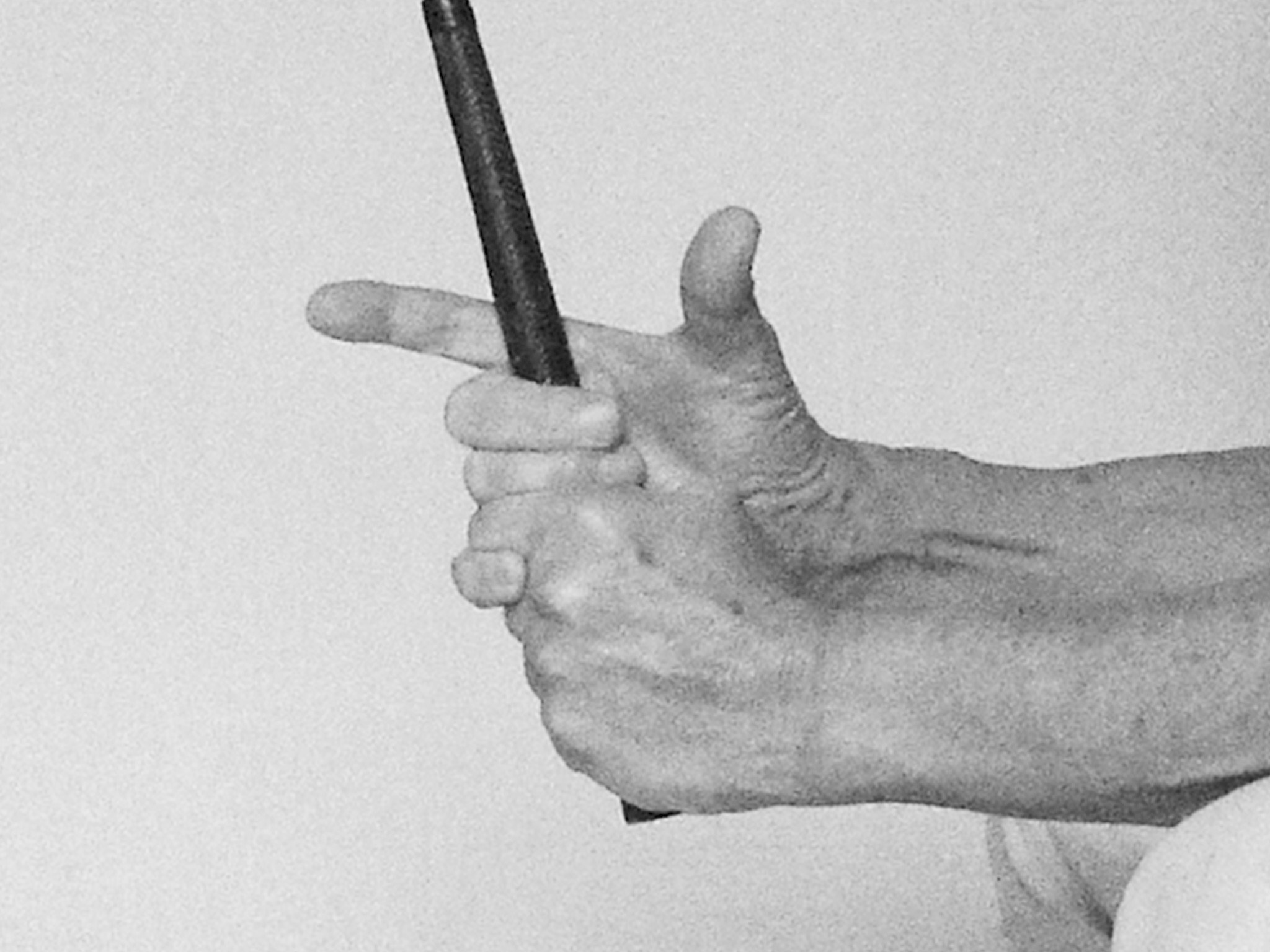
Golf instruction uses strong grip to describe the orientation of the hands on the handle. Grip pressure describes how hard the hands squeeze. The two should not be confused. Hand orientation can influence clubface presentation, while squeeze pressure concerns how securely the player holds the handle throughout the swing. Gotterup was discussing pressure, not prescribing a stronger hand position to all golfers.
Secure does not mean white-knuckled
Holding the handle so loosely that it shifts unpredictably may make control difficult. Deliberately squeezing at maximum effort, however, may introduce tension in the wrists, forearms or shoulders, and alter the way a player swings. One universal score on a subjective 1–10 pressure scale is not well established: people have different hand strengths and perceptions, and pressure changes during the motion. Gotterup's own distinction is between a grip that stays secure and one that creates unnecessary stiffness. His remarks do not mean that recreational players should copy his full-speed swing or lock their forearms.
What to watch rather than simply chasing distance
A drive's result depends on strike location, clubface orientation, start direction and subsequent curvature, among other variables. A shot that finishes nearer the fairway centre does not reveal on its own which change caused the result. If a reliable launch monitor is available, clubhead speed and carry can be logged separately. Without one, noting start direction, contact quality and whether the club twists in the hands still provides useful observations.
Editorial practice check: 18 drives
Choose one permitted range target, the same driver and comparable balls. Keep tee height, target and routine consistent. Rehearse a few gentle swings before starting.
Drives 1–6 — baseline. Swing normally. For each shot record your impression of strike location, initial direction, major curvature and how secure the handle felt. Avoid immediately changing technique after each miss.
Drives 7–12 — secure without squeezing hard. Before each swing, check that the handle feels stable in the hands while the forearms and shoulders are not deliberately braced. Do not change the position of your hands on the grip, and do not chase maximum squeeze pressure. Use a comfortable tempo.
Drives 13–18 — return to your normal feel. Repeat the baseline approach. Compare the overall pattern, not just the longest drive: contact consistency, typical misses, comfort and, only when measured reliably, average speed and carry.
What this comparison cannot prove
Six swings per group are far too few to establish a lasting benefit. Fatigue, normal shot dispersion and expectations may influence the outcome. Stop if a change causes pain or unusual tightness. If the club repeatedly slips or twists, a qualified coach can assess grip technique and whether the grip itself needs attention. The useful takeaway is relaxed arm motion does not require insecure contact with the handle. It is a question to test carefully, not a promise of extra yards.
Sources: Antony Martin, Yahoo Sports, 27 October 2026 — https://staging-aws.sports.yahoo.com/articles/warning-chris-gotterup-gave-amateurs-163000401.html ; Dave Allen, Golf Digest, 15 November 2022 — https://www.golfdigest.com/story/learn-chris-gotterup-keys-to-exceeding-speed-limit.