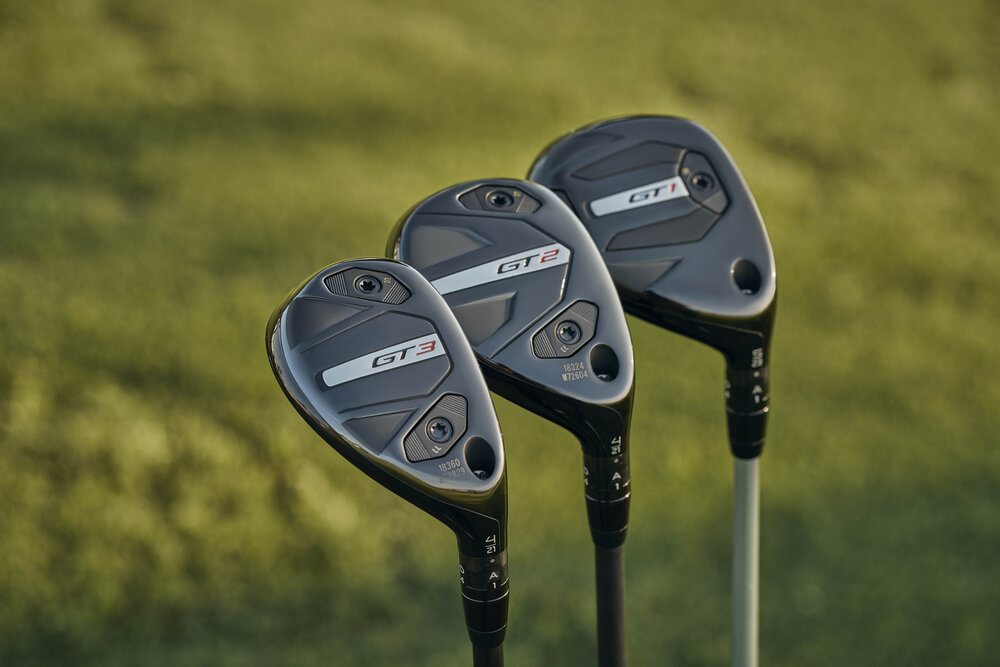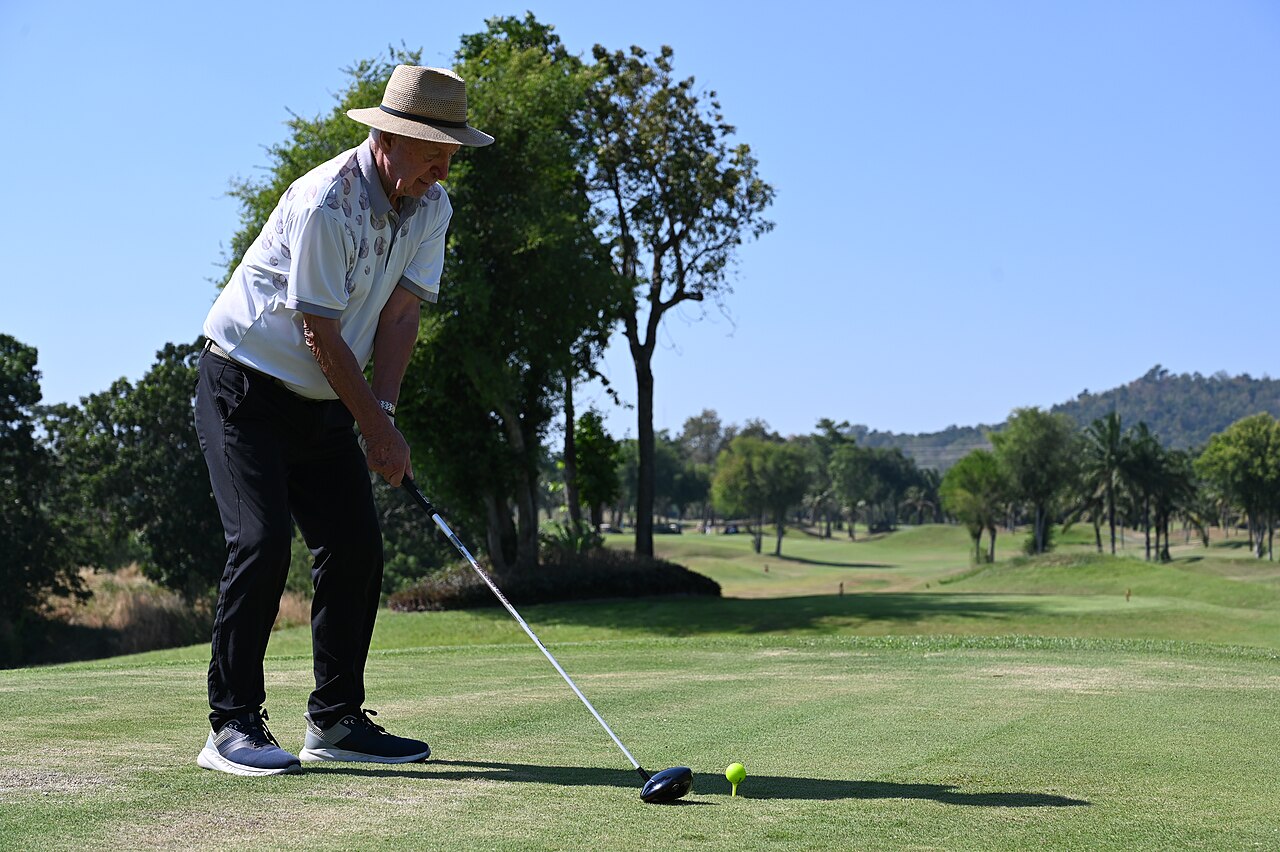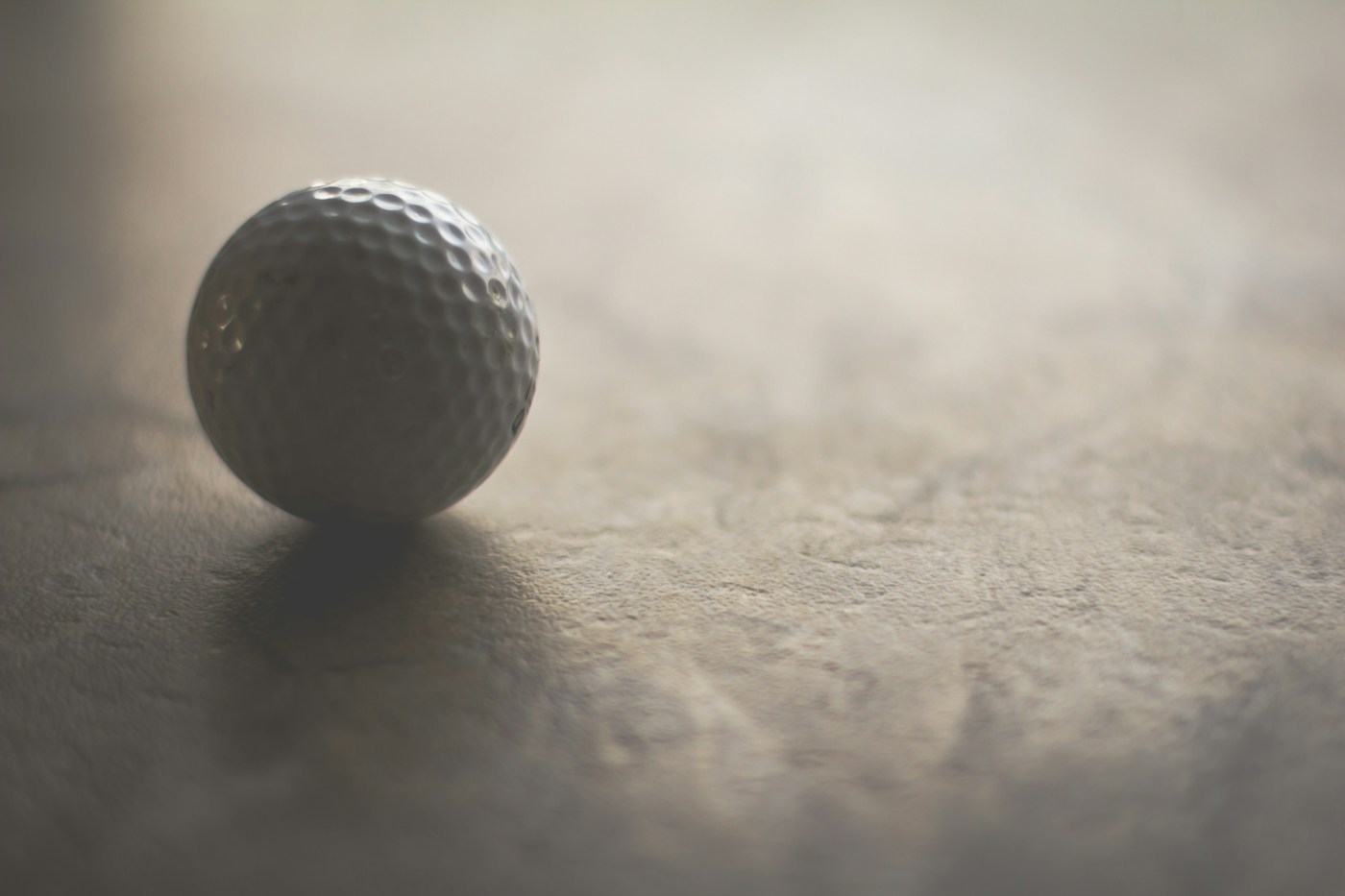
One ball, two very different club responses
On 30 October 2026, MyGolfSpy published a new analysis of robot-tested golf-ball performance. Its central distinction is important: firmer balls tended to gain considerable driver carry at high clubhead speeds, while softer balls often edged ahead in carry with a 7-iron. That is more informative than the familiar shortcut that slower swings must be paired with softer balls.
What was measured
Brittany Olizarowicz drew on MyGolfSpy's robot-test results from 2023, 2025 and 2026, comparing golf balls with different compression ratings. Compression measures relative ball firmness; it is not a measurement of how well a golfer has 'compressed' an iron shot. Relevant outputs included ball speed, carry distance, spin and launch behaviour. Carry is distance to first landing, not total distance after rollout. The finding is a comparison of measured tendencies under controlled test conditions, not a guarantee for every model or player.
High-speed drivers favoured firmer construction
At 115 mph driver clubhead speed, a ball rated around 100 compression carried roughly 12–13 yards farther than one around 50 compression in the analysed data. For each ten-point increase in compression, ball speed rose about 0.85–1.0 mph and carry approximately 2.3–2.6 yards at that speed.
The effect was markedly smaller with an 85 mph driver swing: the carry gain was about one yard or less per ten compression points, and total-distance differences were not statistically significant. This matters because more ball speed does not automatically imply the same extra total distance; spin, launch, descent and rollout all contribute.
The 7-iron told a different story
Balls at 72 compression or below carried farther than those at 95 or above in 11 of 12 iron comparisons, although the advantage ranged from just 0.3 to 4.5 yards. At 65 mph 7-iron speed, increasing compression by ten points corresponded to roughly 0.2–1.2 yards less carry, along with 150–270 rpm more spin and a 0.1–0.3-degree lower launch angle.
There is a meaningful distinction between carry distance and green-holding performance. More iron spin can be useful when controlling approaches, but stopping power also depends on descent angle, trajectory and landing conditions. The higher-carrying ball is not automatically the best ball for every approach.
Implications for fitting
Players whose driver speed approaches 105 mph or higher have a strong reason to include firmer balls in a structured comparison, then check iron flight and short-game control. A player with less speed should not assume that a softer ball automatically adds driver distance; the tested relationship did not suddenly reverse at a particular swing-speed threshold. Ultimately, choose from repeatable driver, iron and greenside performance rather than one compression number or perceived feel.
The October 30 report is an interpretation of existing multi-year robot-test data, not the launch of a new golf ball, and it should not be read as a universal causal law for all ball constructions. This article covers equipment testing and technology rather than store offers.
Sources: MyGolfSpy, 30 October 2026; 2026 robot-tested golf-ball results; related compression and swing-speed analysis, 14 September 2026.