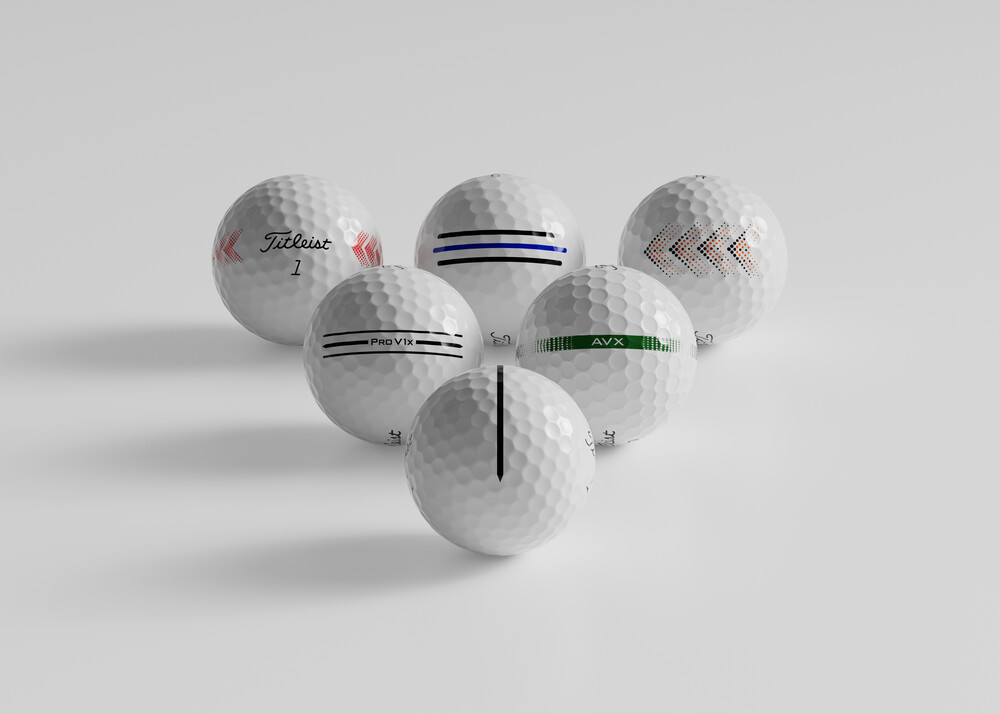
On 30 October, independent testing publication MyGolfSpy released the greenside-spin findings from its 2026 robot test of 48 golf-ball models. The spread was substantial: Callaway Chrome Tour X produced 5,992 rpm, while Titleist Velocity registered 3,085 rpm, a difference of 2,907 rpm. The figures describe one tightly defined short-game shot, not a universal ranking of every ball's overall performance.
One shot, one controlled comparison
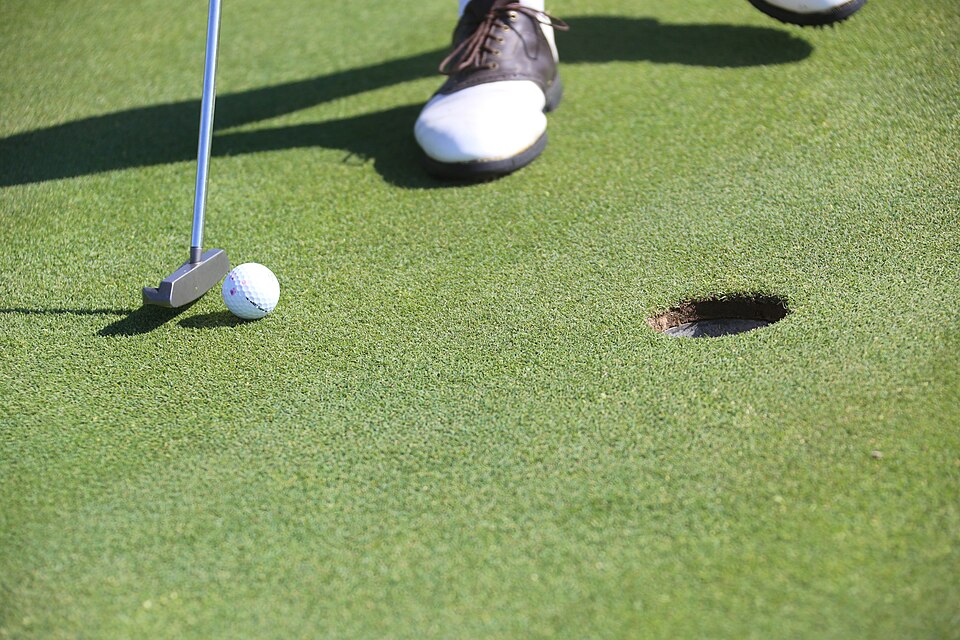
The robot hit a 35-yard pitch with a Vokey SM10 wedge, at approximately 42 mph clubhead speed. The measured variable was spin rate. Across the 48 models, median spin was 5,390 rpm. Spin influences how a ball reacts on landing, alongside launch angle, ball speed, course conditions and the firmness of the green. These readings should not be presented as the exact spin any golfer will achieve outdoors.
The highest and lowest measurements
Three models exceeded 5,900 rpm: Chrome Tour X (5,992), Titleist Pro V1x (5,967) and Srixon Z-Star Diamond (5,953). Srixon Z-Star followed at 5,871 and TaylorMade TP5x at 5,852. Only 23 rpm separated fourth through seventh places, a reminder that a simple order of finish can exaggerate differences that may be inconsequential in real play.
Velocity (3,085 rpm) was the lowest-spinning ball in this short-pitch setting. Callaway Supersoft was next at 4,002 rpm, a further 917 rpm higher. Launch-angle measurements also moved in the opposite direction to spin in this sample: the three highest-spin balls launched at 30.6°, against 38.4° for Velocity. It is a measured association within this test, not a universal law for every club and swing.
Urethane cover: a strong tendency with notable exceptions
Balls with urethane covers averaged 5,382 rpm, compared with 4,118 rpm for ionomer covers—an exact difference of 1,264 rpm based on the published group averages. The cover still did not guarantee an individual result. The ionomer Srixon Soft Feel recorded 4,595 rpm, ahead of three urethane models: Snell PR3 (4,184), Kirkland Performance+ White (4,324) and PXG Xtreme Tour (4,329).
Nor did high spin with a full 7-iron swing predict a high placement on this 35-yard pitch. Titleist Tour Soft performed well in MyGolfSpy’s iron tests but returned 4,231 rpm in the short-game measurement.
What the results cannot establish
More backspin can be valuable for stopping a pitch, but lie, groove condition, moisture, strike quality, launch angle and green firmness all affect the outcome. Published spin rates alone cannot tell a golfer the exact roll-out distance on their course. The accessible report also does not provide enough repeatability data for us to treat tiny differences as decisive. These results are best read as a controlled comparison of ball constructions and models—not a recommendation to buy the most expensive or highest-spinning option.
Data source: MyGolfSpy, “Which Golf Balls Spin The Most Around The Greens?”, 30 October 2026. Manufacturer cover specifications are used only for technical context; no retail offers are compared.