When extra effort does not improve the shot
A bunker ahead or a long approach can tempt a golfer to ask for a little more distance. PGA of America golf professional Brendon Elliott, writing for MyGolfSpy on 30 October 2026, suggests checking three practical signs before treating a harder swing as the solution: grip pressure, strike location and the club selected. This is professional coaching guidance, not evidence that a faster swing is inherently wrong.
Sign one: the grip tightens before the backswing
Notice what happens between your rehearsal and the actual shot. If the shoulders rise and the hands squeeze the grip more firmly, Elliott recommends stepping away from the ball and resetting. Make a small rehearsal, then return to your address position with a secure but not unnecessarily clenched grip.
The handle must still be held safely. A worn or slippery grip—or a glove that no longer provides traction—deserves attention. Also distinguish grip pressure from the golfer’s grip position: a stronger grip orientation is not the same as squeezing harder.
Sign two: the swing feels powerful, but impact moves around the face
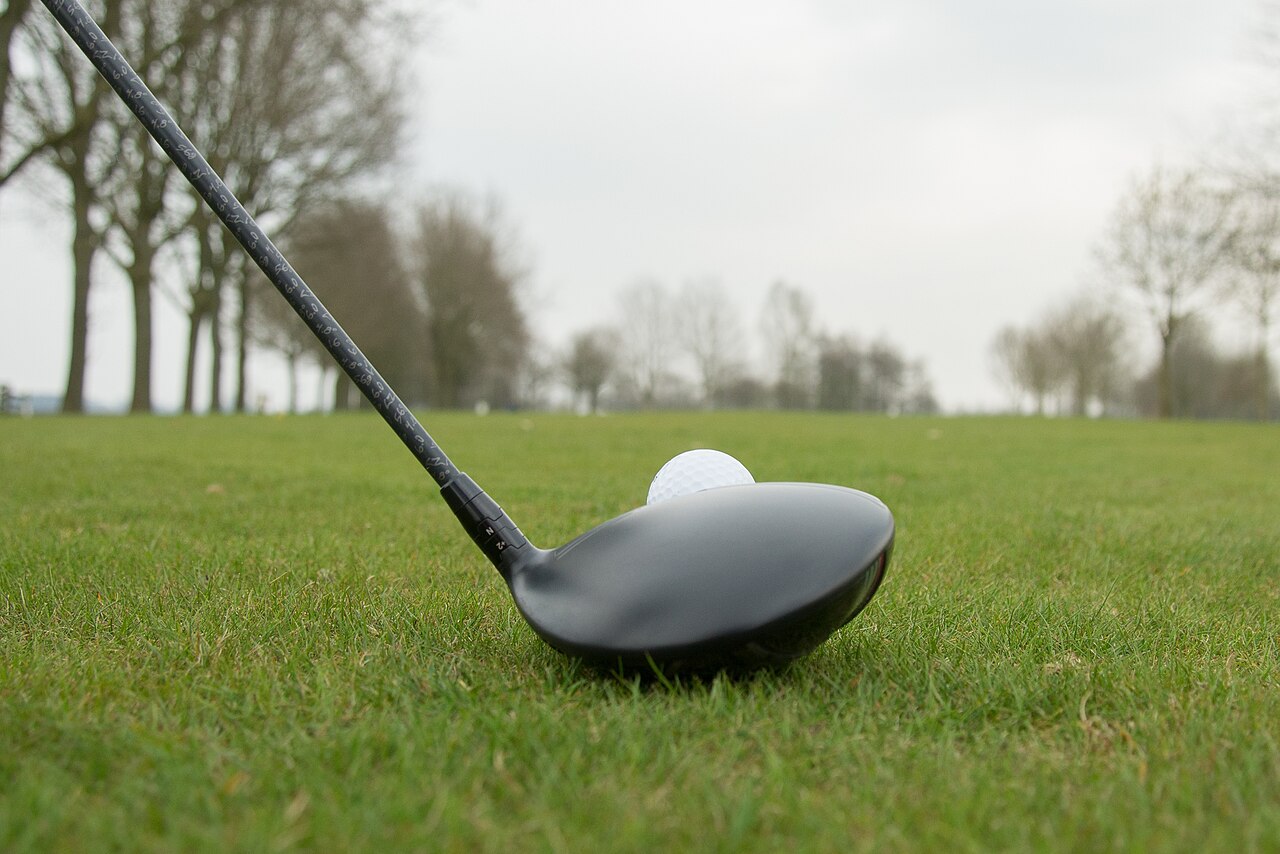
A drive struck towards the heel or toe may feel forceful yet travel less efficiently. Elliott recommends impact tape or a clubface-safe marking spray to identify where the ball actually meets the driver.
Compare normal and deliberately more energetic swings with the same club, tee height and target. If the harder shots produce a much wider pattern of impact marks, extra effort may not be helping. If they remain centred and playable while speed increases, there is no need to reject the faster swing merely because it is aggressive. No universal “swing at 80 percent” rule follows from this check.
Sign three: the club choice requires a career-best strike
For a bunker or water carry, the relevant distance is carry—where the ball first lands—not total distance including roll. Choosing an iron because you once hit it unusually far can pressure you into an exceptional shot at the worst possible moment.
Use your normal carry, including less-than-perfect strikes, when judging whether the ball can clear a hazard. Taking more club may be sensible, provided you also consider trouble beyond the green. If both short and long misses are dangerous, a different target can be better than forcing extra speed.
GOLFTWITT practice: a 16-ball impact comparison
The following is an independent editorial exercise inspired by Elliott’s advice, not his published protocol or a validated scientific experiment.
At a safe driving range, use one driver, the same type of range ball, a consistent tee height and one target. After warming up, hit four blocks of four balls: A—your normal course swing; B—a more energetic swing; A—normal; B—energetic. Reset between shots rather than hitting rapidly from a pile of balls.
For each shot, note the impact-mark location (centre, heel, toe, high or low), the ball’s starting direction and carry only if it can be measured. Count repeatable central contacts and observe the overall pattern, not merely the longest ball. Sixteen shots cannot establish causation; weather, fatigue and ball quality may affect the comparison.
If increased effort spreads the impact marks, prioritise reliable strike location before pursuing speed. If the faster swing remains repeatable, do not slow it down by rule. On the course, commit to a realistic club and target before you address the ball.
Primary source: Brendon Elliott, 3 Signs You’re Trying Too Hard To Hit The Golf Ball, MyGolfSpy, 30 October 2026: https://mygolfspy.com/news-opinion/3-signs-youre-trying-too-hard-to-hit-the-golf-ball/. The 16-ball format and cautions are original GOLFTWITT editorial material.