The difference between a release and a flip
Some golfers stop turning their chest too early and then use an abrupt hand action to get the clubhead to the ball. Coaches call this pattern a flip or scoop. It does not mean that all wrist motion is wrong: the wrists must work, but their movement needs to fit the body's rotation and the club's path.
Golf Smart Academy coach Tyler Ferrell demonstrates a drill called Hit My Arms. Instead of chasing the ball, the golfer rehearses the small transition from an impact-like position into early follow-through. The original instructional video includes a transcript but does not identify its original publication date. This article is therefore a fresh practical explanation, not a claim that the drill was invented this week.
The four-step rehearsal
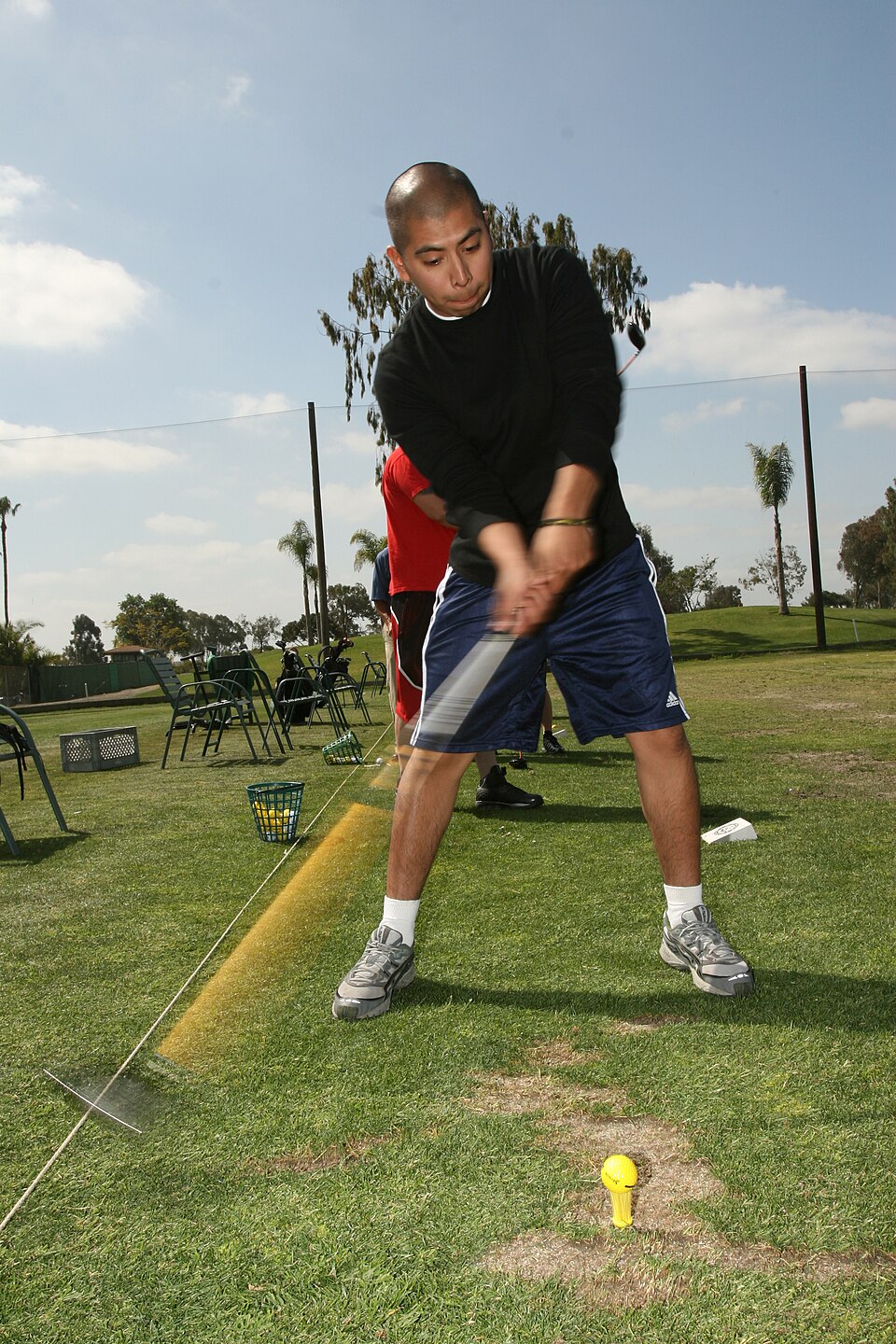
1. Set up and find impact. Start in a normal address position with an iron. Without striking a ball, move slowly into an impact-like pose: pressure is favouring the lead side, the chest is beginning to open towards the target, and the handle is slightly ahead of the clubhead.
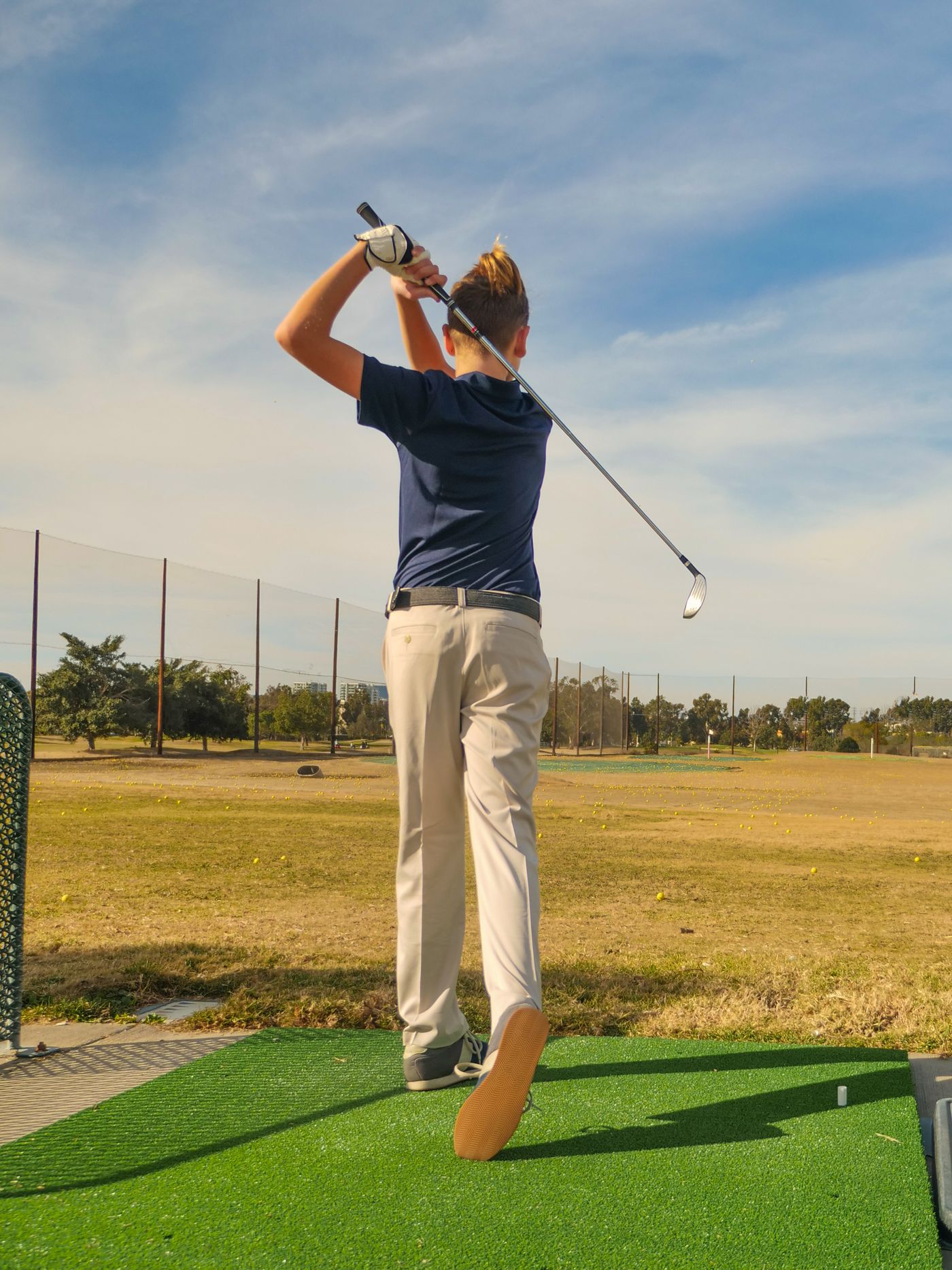
2. Turn through, don't throw. Continue turning the chest towards the target as the arms move into early follow-through. The intention is to keep the torso moving while the club passes through impact, rather than making a separate late flick with the hands.
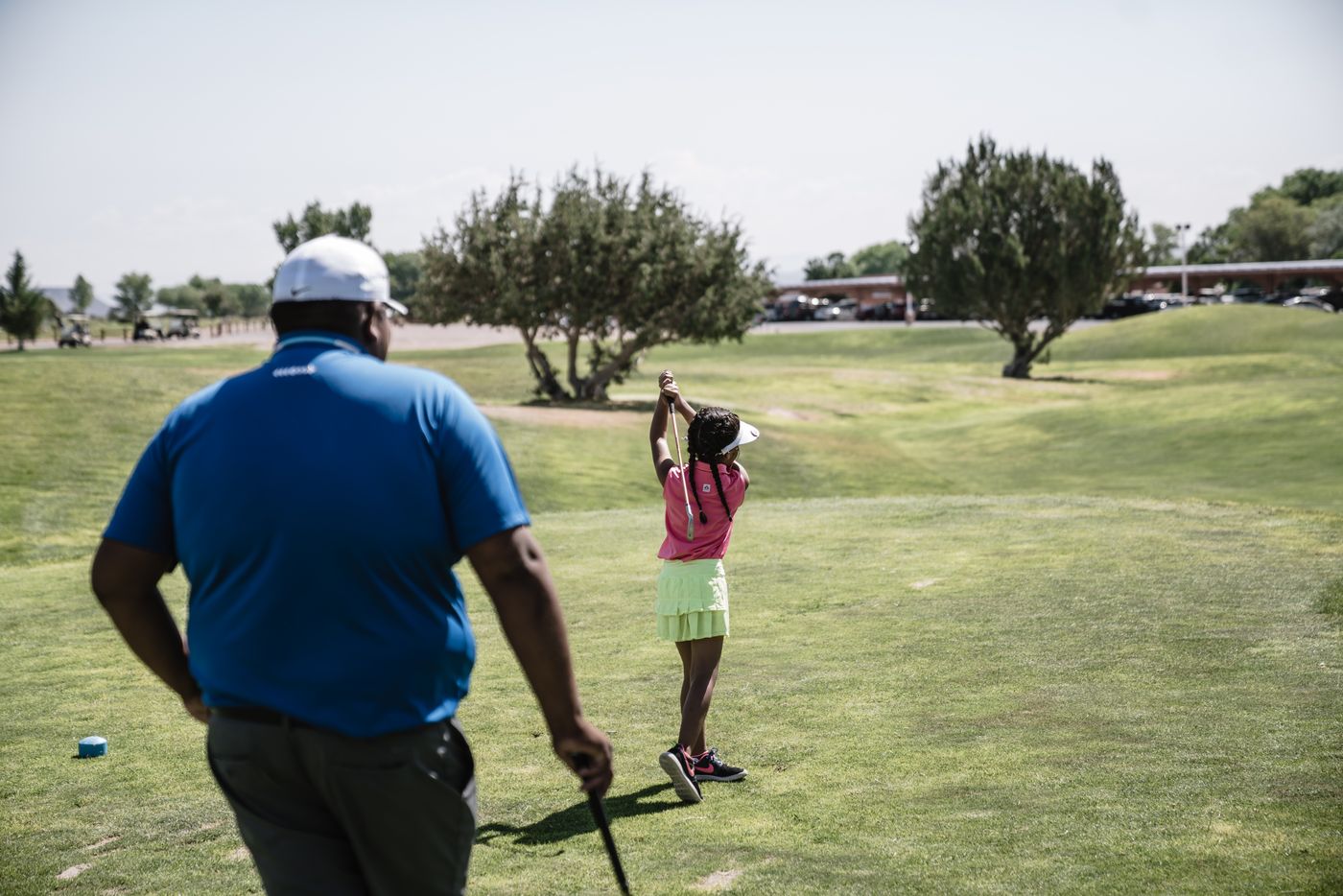
3. Use a safe reference. In Ferrell's coaching demonstration, the instructor places one hand near the back of the player's wrist and the other near the elbow, offering tactile feedback as the forearm moves through. This is a slow supervised rehearsal only. Never swing a club forcefully towards a person. When practising alone, rehearse without contact or a ball.
4. Compare the sensations. With a stalled chest, the hands may race past, and the arm path can move away from the intended arc. With a coordinated release, the chest keeps turning while the arms travel on into follow-through.
Irons versus driver
Ferrell makes a useful distinction. An iron rehearsal can often be felt through continued upper-body rotation. With the driver, he emphasises contribution from the legs and hips as well, rather than relying on the shoulders alone. These are coaching cues, not a prescription to freeze the wrists or force every player into an identical pelvis motion.
Check the outcome
Start without a ball, proceed to small shots only when balance and clubface control remain intact, and observe strike quality and starting direction. A slice or hook has several possible causes; it cannot automatically be diagnosed as a flip. Stop if the exercise hurts and consult a qualified coach if uncertain.
Primary lesson: Tyler Ferrell — Hit My Arms. Supporting coaching context: Titleist — Step Drill.