An open-faced wedge can produce height from tightly mown grass around a green, but trying to scoop the ball with the hands often makes contact unreliable. In a GOLF.com lesson published on 30 October 2026, Top 100 Teacher Debbie Doniger explains the setup and swing sensation she uses for this particular shot.
Why a tight lie is demanding
A ball sitting on very short grass leaves little margin between the sole of the wedge and the ground. Excessive digging or a last-second lifting action can produce heavy or thin strikes. This is a specific open-faced shot, not an all-purpose method for every chip.
For a right-handed player, Doniger recommends a narrow stance, slightly more weight on the lead foot and an open alignment: feet and torso aim somewhat left of the target while the clubface is opened to add loft. Place the ball a little forward of centre. Raise the handle slightly so the toe-side of the sole is closest to the turf. Left-handed golfers should mirror the directions.
Keep moving through impact
The temptation with a delicate wedge is to stop rotating through the strike in fear of hitting too far. Doniger instead emphasises continuing the rotation of the arms, chest and torso while the club moves across the ball.
Her memorable image is striking a match: let the toe-side of the club brush the turf shallowly rather than burying the leading edge. It is a coaching feel, not a literal instruction that only one point of the club can touch the ground.
An editorial 12-ball practice
This is a suggested self-check, not a validated performance study. Find a safe, level area of short grass and choose a nearby landing zone. Hit three sets of four balls. In the first set, focus on setup and a light brush of the turf. In the second, keep turning through impact. In the final set, aim all four balls at one zone, noting the first point of ground contact and the spread of the results.
Compare heavy strikes, thin strikes and balls landing in your chosen area. Twelve shots provide personal feedback, not proof that this technique will improve everyone's scores.
What makes this different from a generic flop shot?
Doniger has previously discussed high shots around the green. This lesson specifically tackles tight turf, handle height and toe-side sole interaction, rather than simply opening the face to produce height. The right choice depends on the lie, wedge bounce, ground firmness and your ability. Avoid forcing the club into rock-hard or stony ground.
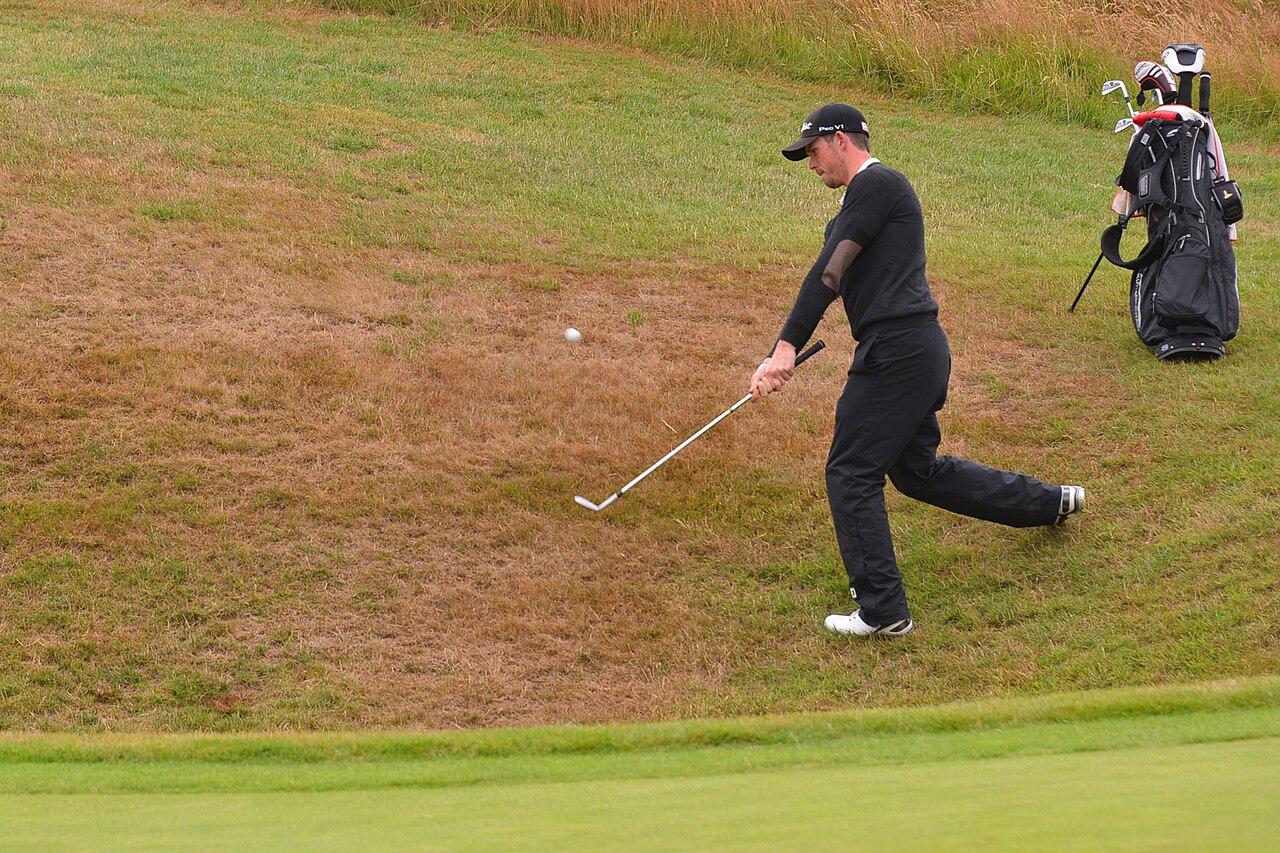
Method source: Maddi MacClurg with Debbie Doniger, GOLF.com, 30 October 2026. The archive photograph shows another golfer chipping, not Doniger or this lesson.