Why an iron catches the ground before the ball
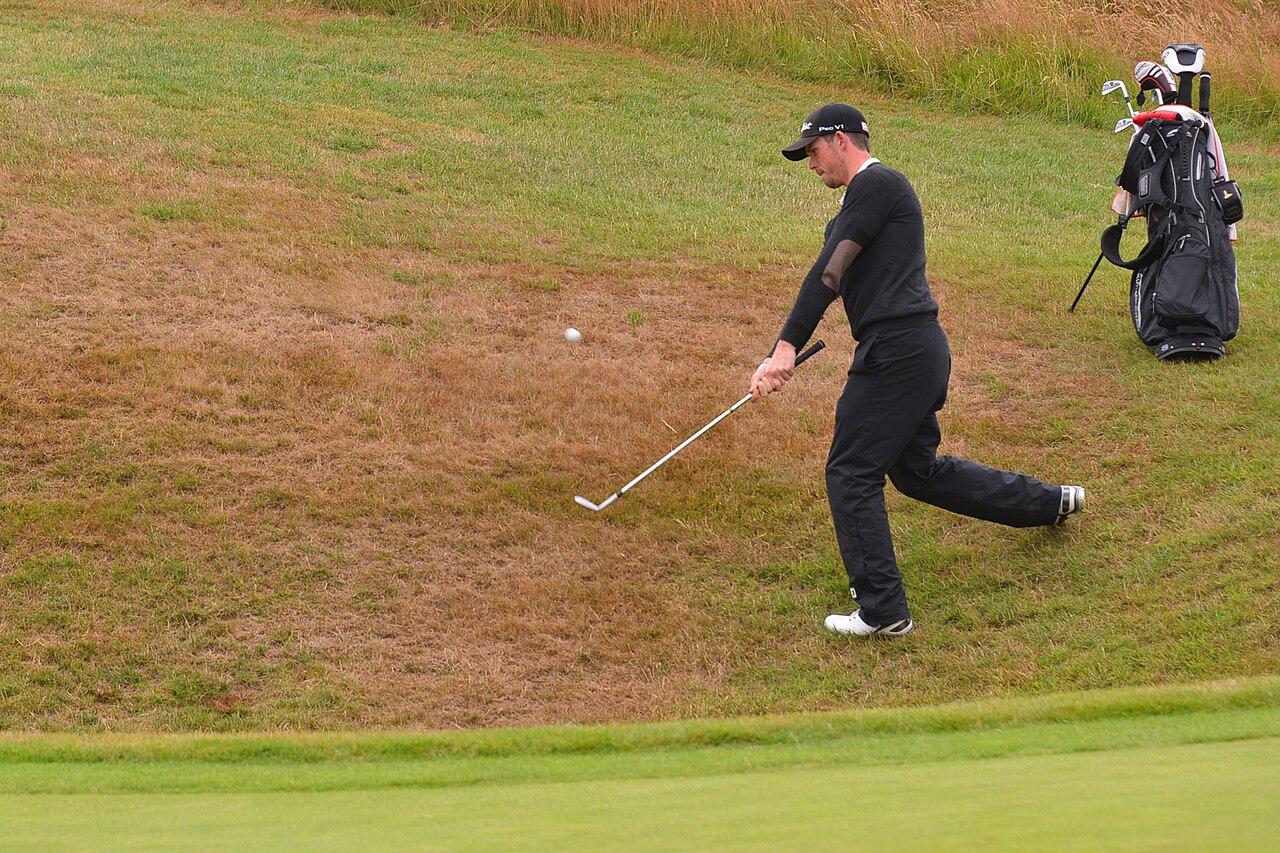
A heavy or fat iron shot occurs when the club strikes the turf before the ball, often reducing distance and making the result unpredictable. In a Golf Monthly lesson published on 28 October 2026, Top 50 coach Trey Niven works with amateur Mace Bothroyd, who was struggling with heavy strikes and misses in both directions. Rather than prescribing a universal “keep your head down” fix, the coach examined the player's shoulder movement, knee flex and hip motion.
This is a case study of an individual lesson, not a controlled trial. The same miss in another golfer may have a different cause, including ball position, balance, turf conditions or swing mechanics.
What low point actually means
Low point is the lowest part of the clubhead's swing arc relative to the ground. For a conventional iron shot played from the fairway, the ball is normally struck before the club reaches the turf; the low point is target-side of the ball. That does not mean a golfer should dig a deep divot on purpose. Turf interaction varies with the club and lie.
In Niven's lesson, the lead shoulder shifted excessively toward the trail side during the backswing, the knees became overly flexed and the downswing tended to be steep. His personal cues included keeping a steadier body height, maintaining the lead arm's relationship with the chest longer in transition and allowing movement toward the target without a violent lateral slide. These are responses to one golfer's movement, not a single model everyone must copy.
Drill one: the “Ludvig” rehearsal
Named after Ludvig Åberg, this is best explored first as a slow, ball-free rehearsal. Hold the club normally with your lead hand and keep your trail hand open beside the club. Move the club back gently until the shaft is about parallel to the ground. At that checkpoint, the open trail hand points behind you and the trail arm adds a gentle sense of pushing the club outward to create width. The trail hand helps you sense width between your arms and torso without pulling the club inward too early.
The goal is an awareness of backswing width, not a forced shoulder stretch. Do not hit full-speed shots with your trail hand open. Stop if the drill causes wrist or shoulder discomfort and review it with a qualified coach.
Drill two: stepping toward the target
Begin without a ball, with your feet close together. As the backswing begins slowly, step the lead foot toward its normal address position and continue through a gentle, balanced finish. The sequence is what matters: start turning, step toward the target and continue rotating.
Avoid a lunge or jump. If you lose balance, reduce the movement and rehearse without a club. Adapt or avoid the exercise if you have pain or mobility restrictions.
An 18-shot way to observe your strike
The following is an editorial observation exercise, not a scientifically validated training protocol. On a permitted grass practice area, choose one mid-iron and one safe target. Hit six baseline shots, noting whether the club meets the turf before the ball, the quality of contact and the direction of the miss.
Make several slow “Ludvig” rehearsals, then hit six more shots with your usual two-handed grip. Separately rehearse the step drill and hit the final six shots, without trying to exaggerate either cue. Keep the club, target and ball position as similar as possible. Video taken from a fixed, safe location may help compare feel with movement, but phone footage is not a laboratory low-point measurement.
Look at the frequency of ground-first strikes, the number of clean contacts and the spread of misses—not the single best shot. Fatigue, changing turf and the order of the blocks can all influence results. One better session does not establish that a swing fault has been corrected.
What not to copy blindly
An iron struck from turf is not the same task as a driver from a tee, a bunker shot or a short chip. Do not force your lead shoulder over the ball or freeze your spine angle. If ground-first contact persists, a qualified coach should assess the normal swing and ball position before prescribing a technical change.
Source: Baz Plummer with Top 50 coach Trey Niven, Golf Monthly, 28 October 2026. The feature documents one lesson and provides no controlled evidence that these drills improve every golfer.