On 8 October 2026, PXG announced the Torpedo ZT, a zero-torque interpretation of the familiar Torpedo mallet from the Battle Ready II line. The point is not that a putter can magically eliminate three-putts; it is how its shaft and head are arranged to reduce one source of unwanted face rotation.
Why the shaft axis matters
When the line of force through a putter shaft sits away from the head's centre of gravity (CG), it can create a lever arm and a twisting tendency. PXG's Onset Hosel places that axis just above, and very close to, the CG. The resulting toe-up balance is intended to make the face less prone to turning during the stroke. “Zero torque” is a design label, not a claim that human motion, impact forces or aim errors have disappeared. Start direction still depends on how the golfer delivers the club.
Four degrees of loft, one degree of forward press
The Torpedo ZT has 4° of measured loft, yet its hosel builds in 1° of forward press to position the hands slightly ahead at address. PXG therefore describes its playing position as comparable with a conventional 3°-loft putter. This is not a promise of exactly 3° of dynamic loft at impact: hand motion, shaft lean and green conditions change what the ball actually experiences.
A two-piece head with a purpose
The front section is precision-milled 303 stainless steel while the rear body uses lighter 6061 aluminium. The combination allows the manufacturer to distribute more mass away from the CG, raising moment of inertia (MOI) to resist twisting on off-centre contact. PXG also uses its Pyramid Milled Face Pattern, whose shape is intended to influence ball contact, sound and roll. Those are the manufacturer's design explanations; the announcement provides no independent, controlled comparison showing a specific strokes-gained improvement.
Headweight adjustment and fitting
PXG lists 370g as standard headweight, adjustable across 357–392g using two interchangeable sole weights. Standard lie is 70°, with right- and left-handed versions. A centre sightline supports alignment, and the Pick-Up Pocket lets a player scoop a ball off the green without bending down. Weight changes can affect feel and tempo; they cannot substitute for a suitable length, grip, loft fit or a repeatable setup.
What's really different from the regular Torpedo?
The notable change is geometry rather than cosmetic styling. A familiar mallet silhouette now incorporates the firm's zero-torque shaft-to-CG alignment and a steel/aluminium layout. Golfers who tend to manipulate the face may find a quieter feel, while those with a strong natural release could require an adjustment period. Neither response should be assumed in advance of testing.
Price and evidence
PXG's 8 October announcement quoted $449.99 in the US; the live product page currently shows a starting price of $449. Distribution includes PXG stores, its site and selected partners. Before buying, compare start-line dispersion and pace control with your current putter across short, middle and long putts. The official release does not establish a universal accuracy advantage, and the best choice remains personal.
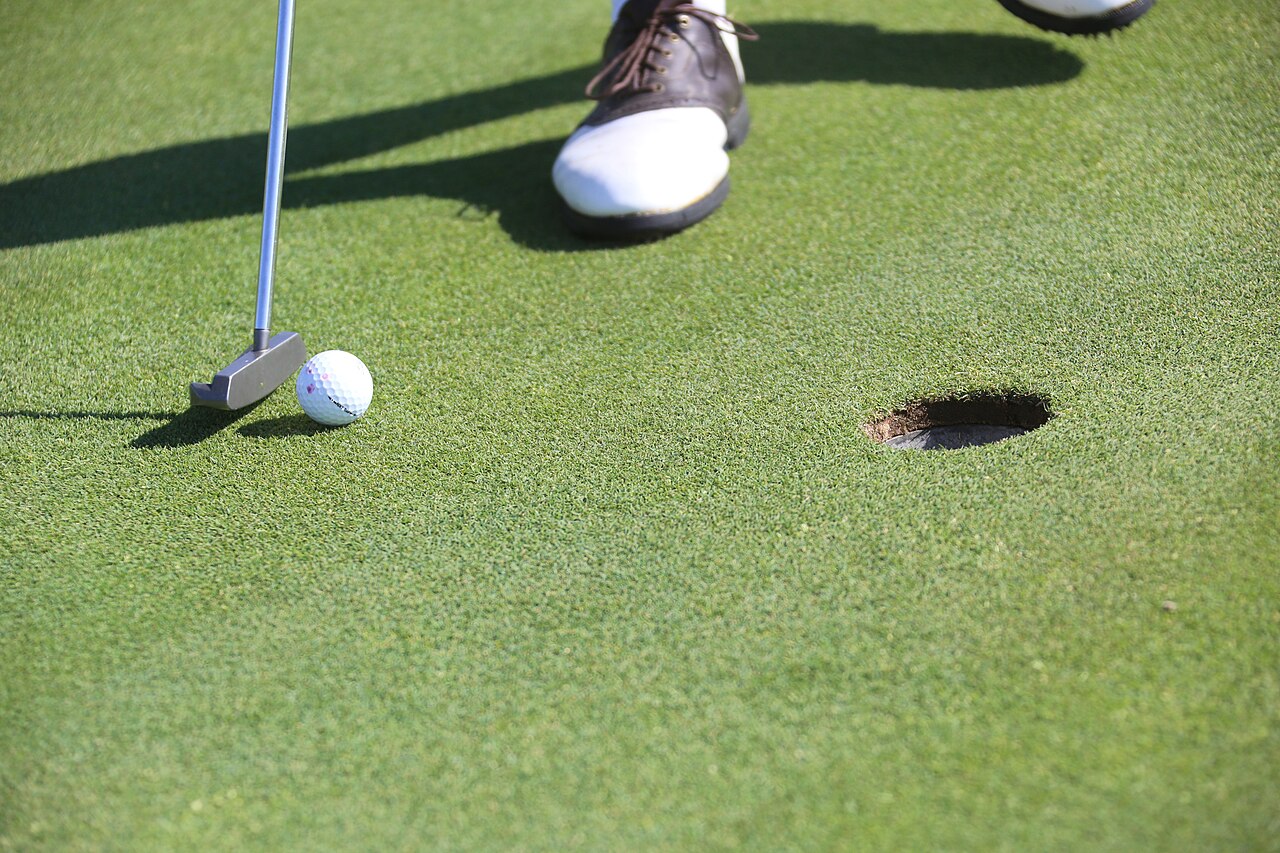
Sources: PXG's dated launch announcement and the manufacturer's product specifications. The illustration depicts a generic putter, not a Torpedo ZT.