HONMA announced three ZEROPT putters in Japan on 27 October 2026, combining a zero-torque design concept with 0° stated loft. Japanese sales are scheduled to begin 6 November, with a tax-inclusive price of ¥88,000. The interesting question is not whether two zeroes sound impressive, but how this geometry might affect the ball's launch and roll—and whether it suits different putting strokes.
Two zeroes, two different engineering claims
The term zero torque describes HONMA's arrangement of shaft axis and head centre of gravity, intended to reduce the head's tendency to rotate during the stroke. It does not mean the club eliminates the golfer's influence on face angle. Grip pressure, posture, shaft lean and stroke mechanics still matter. Nor should a design label be confused with independently measured putting accuracy.
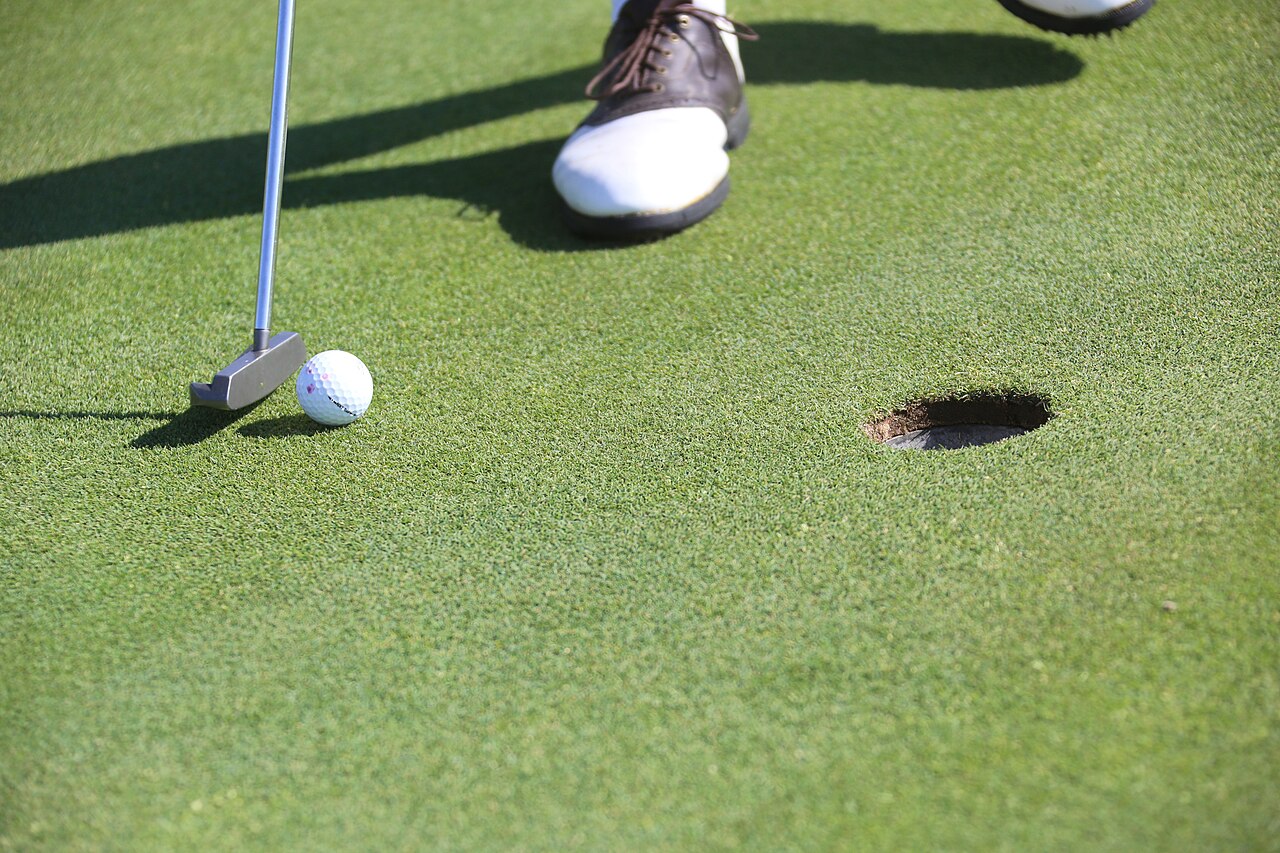
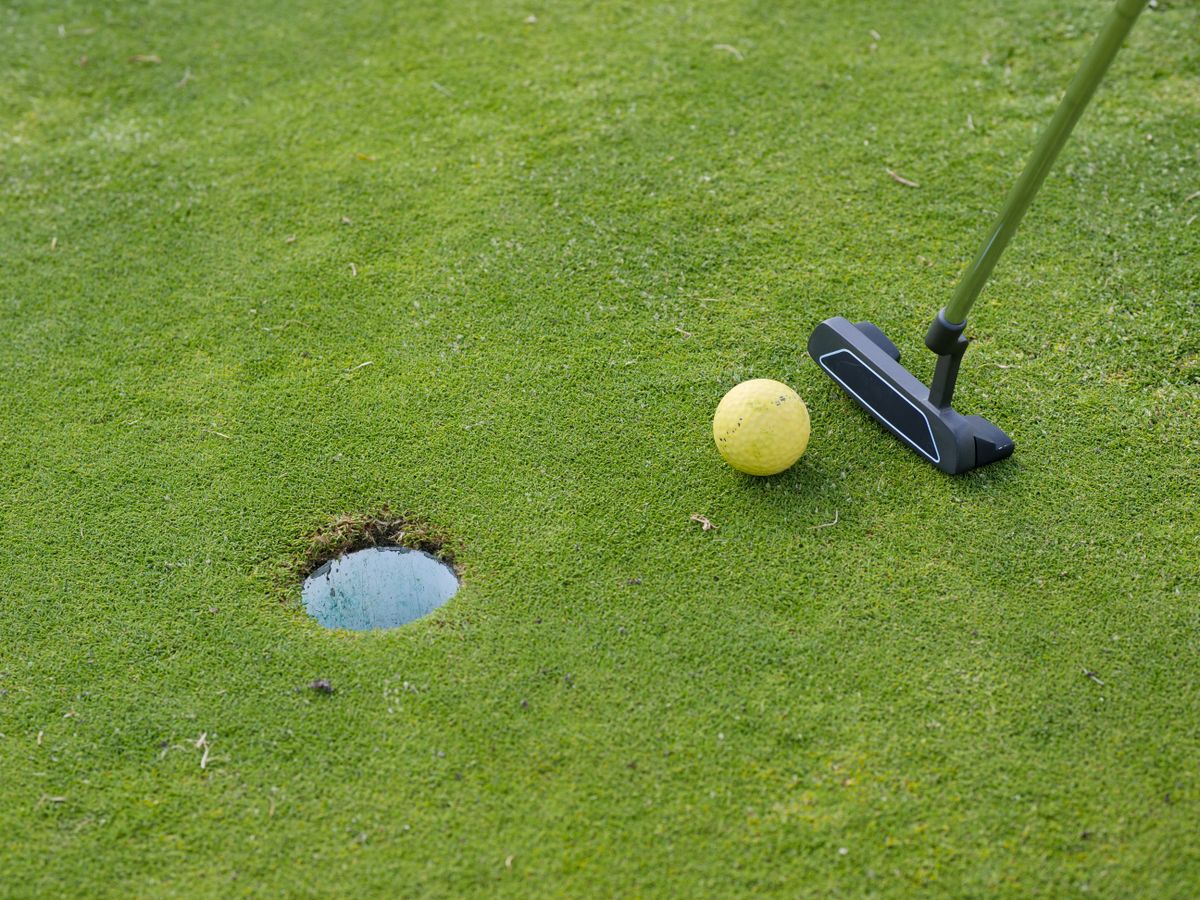
The second zero is static loft. Traditional putters commonly have a few degrees of loft to help the ball emerge from its slight depression in the turf. HONMA's 0° specification aims to reduce one source of launch variation. But static loft and delivered loft are not identical: forward or backward shaft lean, attack angle and impact location change what the ball actually experiences. A 0° label cannot promise immediate pure roll on every green or with every stroke.
Three head shapes with shared construction
ZEROPT-001 is a fang-style mallet built around clear alignment lines. ZEROPT-002 is a larger neo-mallet, while ZEROPT-003 extends its rear wings to offer a different visual reference. These are variations in appearance, footprint and aiming cues; they are not three independently validated distance-control technologies.
HONMA specifies a CNC-milled SUS303 stainless-steel body combined with a 6061 aluminium sole. The head incorporates a 20 g tungsten weight at the heel and a 4 g aluminium weight at the toe, plus steel fasteners. The asymmetric weighting is part of the effort to balance the head relative to its angled shaft. It is not, on its own, evidence of better results than another putter.
The TLT Off-Axis Putter Grip addresses a practical side effect of the design. According to the manufacturer, it compensates for approximately 2–3° of shaft inclination created by the rear-mounted shaft, allowing the player's hands to feel more naturally vertical at address. How comfortable that feels remains a fitting question rather than a universal property.
Confirmed specifications and launch market
Across the three models, the announced specifications are 0° loft, 69.5° lie angle, 33- and 34-inch lengths, approximately 525 g total club weight, an SS PUTTER SHAFT-S STEPLESS #P COMS shaft and Japanese manufacture. The ¥88,000 price and 6 November 2026 on-sale date refer to Japan; international availability has not been established.
What should a golfer actually test?
Compare the ZEROPT with a familiar putter using short, medium and long putts, not just a succession of one-metre attempts. Watch for hopping and early skid, test the starting line and distance dispersion, and deliberately vary ball position within your normal routine. If a qualified fitter can measure impact launch and early roll, compare the delivered result instead of assuming zero static loft is always better.
The published figures and performance rationale originate with HONMA's announcement as reported by Japanese golf media. No independent, controlled comparison of ZEROPT with several rival putters for launch, roll and directional dispersion was available in the reviewed material. Zero loft is a fitting proposition—not proof of universal superiority.
Source: HONMA announcement reported by Golf Digest Japan on 27 October 2026; model specifications are also listed in GDO's equipment catalogue.