
‘Failure’s not an option’: Augusta National chairman reaffirms club’s rollback stance
Augusta National chairman Fred Ridley has emphatically reaffirmed the club's stance on limiting golf ball distance, stating that "failure's not an option." This declaration highlights the critical importance of the issue for preserving the integrity of golf and calls for joint action from all stakeholders.
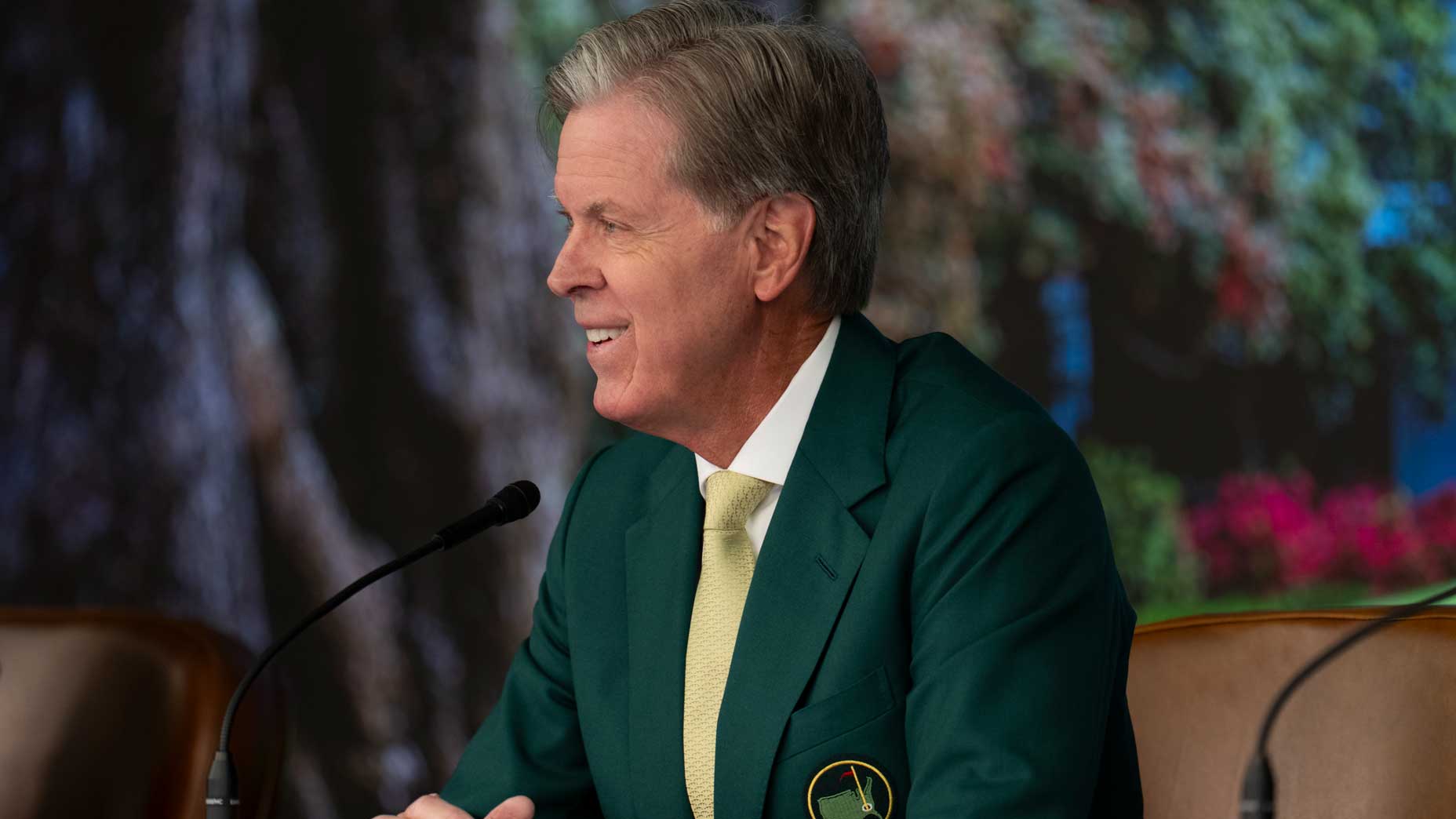
- Augusta National chairman Fred Ridley has once again unequivocally reaffirmed the club's steadfast position on the golf ball "rollback," urging all stakeholders in the game to take immediate and decisive action.
- "My feeling on this subject is: failure's not an option," Ridley declared, signaling Augusta National's firm resolve to bring about change.
- Ridley's statement makes it clear that the club sees the golf ball "rollback" as the only long-term way to preserve the spirit and challenge that Augusta National has always presented to the world's best golfers.
- The phrase "failure's not an option" coming from the chairman of Augusta National carries particular weight.
Augusta National chairman Fred Ridley has once again unequivocally reaffirmed the club's steadfast position on the golf ball "rollback," urging all stakeholders in the game to take immediate and decisive action. Ridley's statement, made amidst ongoing debates about the future of golf equipment, underscores the seriousness of the issue of excessive golf ball distance and its potential impact on the sport's integrity. "My feeling on this subject is: failure's not an option," Ridley declared, signaling Augusta National's firm resolve to bring about change.
The issue of the golf ball "rollback," which refers to the introduction of new rules limiting the maximum flight distance of golf balls, has become one of the hottest topics in the golf world in recent years. Proponents of these changes, primarily the USGA and R&A, argue that the increased distance covered by modern golf balls threatens historic courses, renders them obsolete, and diminishes the strategic element of the game. In their view, golfers too easily "outgrow" courses built in a different era, forcing clubs to undertake costly and sometimes impractical modifications to maintain the challenge and relevance of their courses.
Augusta National, as one of the most prestigious and iconic golf clubs in the world and host of the Masters Tournament, is a leading advocate for the "rollback." Historically, Augusta National has had to make significant modifications to its course, including lengthening holes and building new tee boxes, to maintain its difficulty in the face of constantly increasing driving distances by professional players. These changes, though necessary, inevitably alter the original design intent and character of the course. For a club where every detail holds historical and aesthetic significance, any intervention in the landscape is a serious decision. Ridley's statement makes it clear that the club sees the golf ball "rollback" as the only long-term way to preserve the spirit and challenge that Augusta National has always presented to the world's best golfers.
The phrase "failure's not an option" coming from the chairman of Augusta National carries particular weight. It reflects not just a desire, but a conviction in the necessity of transformation. This is not merely a call for discussion but a demand for action. Such rhetoric indicates Ridley's deep concern, and that of the entire club leadership, for the future of golf. They fear that without equipment regulation, the game could lose its balance, its unique complexity, and its connection to traditions. This sentiment intensifies pressure on other governing bodies and stakeholders, including the PGA Tour and equipment manufacturers, to reach a consensus and implement changes.
The potential consequences of the golf ball "rollback" for golf are multifaceted. For professional tours, it could mean a shift in game strategy, where accuracy and skill would be valued even more highly than raw power. For equipment manufacturers, it presents a significant challenge and the need to revise production standards and marketing strategies. As for amateurs, opinions are divided. Some fear that the changes could negatively impact the enjoyment of the game, especially for those who already struggle with distance. Others believe that it could lead to a more balanced game and more accessible courses. It is important to note that Augusta National, the USGA, and the R&A often discuss a differentiated approach, where rules for professionals might differ from those for amateurs, to avoid negative impacts on mass golf.
Ridley emphasizes that all stakeholders—regulators, tours, manufacturers, and players—must work together to achieve a solution that best serves the long-term interests of golf. This is a call for unity and cooperation within an industry that can sometimes be fragmented by competing interests. The goal is not to penalize players or change the game beyond recognition, but to protect its fundamental principles and ensure its sustainable development for decades to come.
Ultimately, Fred Ridley's statement is a powerful reminder that for Augusta National, preserving the essence of golf is paramount. His determination on the issue of the golf ball "rollback" reflects a deep understanding that the evolution of the game must not undermine its core values. As the golf world continues to discuss and seek solutions, Augusta National's position remains clear: for the future of the sport, changes are necessary, and the club is ready to be at the forefront of these changes, allowing no compromises on this crucial matter.
Read more on this topic


