
Golf Rules: What to do if you accidentally marked a playing partner's ball?
Mistakenly marked your playing partner's ball instead of your own? We delve into the intricacies of golf rules and find out if there's a penalty for it.
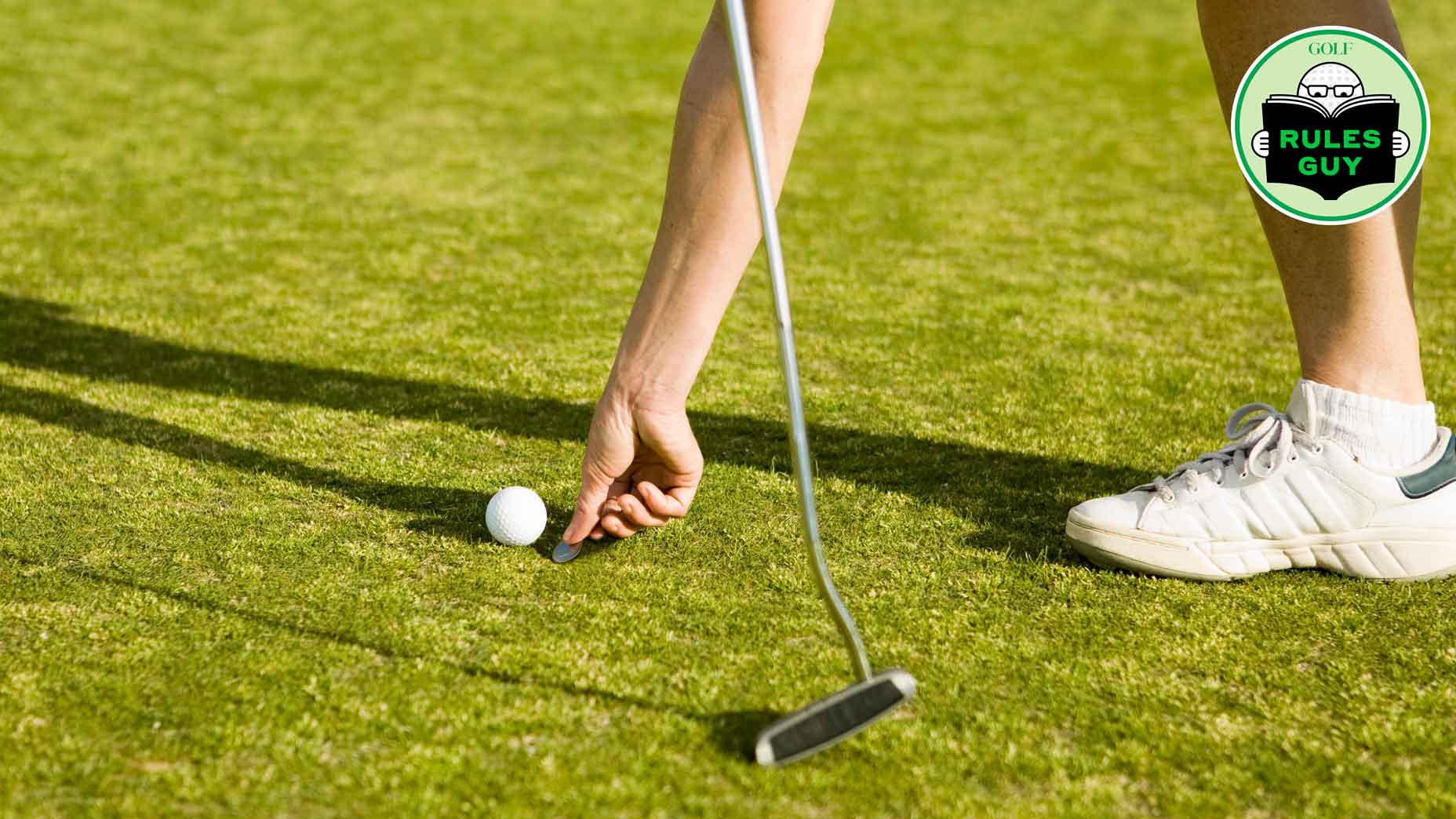
- According to the Rules of Golf, in this context, the player who accidentally marked their partner's ball is considered an "Outside Influence" in relation to the partner's ball.
- Rule 9.6 Ball Lifted or Moved by Outside Influence states that if a player's ball is lifted or moved by an outside influence, there is no penalty to the player, and the ball must be replaced.
- Match Play: A different situation In match play, where every stroke has a direct impact on the duel between two players or teams, the rules are stricter.
- If you mark and lift your opponent's ball by mistake, according to Rule 9.6, this is considered a breach, and your opponent receives a one-stroke penalty.
Every golfer knows the situation on the green: balls lying close together, focusing on the putting line, and then the hand automatically reaches for the nearest ball to mark it. But what if, in the heat of the moment, you mistakenly marked your playing partner's ball instead of your own? Is there a penalty for this, and how should you act in such a situation? "Rules of Golf" provides a clear answer.
Game format matters: Stroke Play
In stroke play, which is the most common format in amateur and professional golf, the situation of mistakenly marking a partner's ball, surprisingly to many, does not incur a penalty for the player who made the mistake. According to the Rules of Golf, in this context, the player who accidentally marked their partner's ball is considered an "Outside Influence" in relation to the partner's ball.
Why no penalty?
The logic is simple: in stroke play, each player competes against the course, and their actions do not directly affect opponents' play in the way they do in match play. Rule 9.6 (Ball Lifted or Moved by Outside Influence) states that if a player's ball is lifted or moved by an outside influence, there is no penalty to the player, and the ball must be replaced.
Therefore, if you accidentally mark your partner's ball, you will not be penalized. Your partner also does not incur a penalty, provided they did not lift the ball themselves and the ball was replaced to its original spot before the next stroke was made. It is important that the ball is immediately replaced to its original position, either by the player themselves or the person who marked it, as accurately as possible. The player whose ball was mistakenly marked and lifted must ensure their ball is returned to the exact spot where it was previously.
Match Play: A different situation
In match play, where every stroke has a direct impact on the duel between two players or teams, the rules are stricter. If you mark and lift your opponent's ball by mistake, according to Rule 9.6, this is considered a breach, and your opponent receives a one-stroke penalty. However, there are exceptions. If you lifted an opponent's ball for identification purposes and confirmed it was not your ball, and then replaced it, there would be no penalty, provided you acted reasonably and did not gain an advantage.
But the most critical point is that the player themselves is responsible for identifying their ball before taking any action with it (Rule 6.3a). If a player mistakenly marks and lifts a ball they believe to be their own, but actually belongs to their opponent, and then places their own ball on that spot, this can lead to serious consequences, including loss of the hole in match play or a two-stroke penalty in stroke play if they played the "wrong ball."
How to avoid mistakes?
To avoid such awkward situations and potential penalties, follow these simple but important rules of golf etiquette and the Rules of Golf:
- Identify your ball: Before marking or lifting a ball, always ensure it is your ball. Every golfer should use a unique marking on their ball (dot, initials, symbol) to identify it unmistakably. Rule 6.3a states: "The player must identify their ball."
- Communication: If balls are lying close together, don't hesitate to ask your partner which ball is theirs. A simple phrase like "That's my Titleist Pro V1 with three dots, is that yours?" can prevent many misunderstandings.
- Attentiveness: Especially on greens where balls often lie close, be extremely careful. Pause, look around, and make sure you are about to mark your own ball.
- Act promptly: If you do accidentally mark a partner's ball, immediately inform them and replace the ball to its original spot before any further action is taken.
Ultimately, while accidentally marking a partner's ball in stroke play may not incur a penalty for the culprit, it creates an unnecessary distraction and can slow down play. Adhering to ball identification rules and attentiveness will help avoid these situations, making the game smoother and more enjoyable for all participants. Golf is a game of honesty and respect for the rules, and knowing such nuances only emphasizes your professional culture.
Read more on this topic


