Ball Hits Lawnmower and Goes Out of Bounds: Penalty or Not?
What happens if your golf ball accidentally hits a lawnmower and bounces out of bounds? Golf rules experts explain why, despite no penalty for the contact with the outside object itself (Rule 11.1), you still incur a penalty for the ball going out of bounds (Rule 18.2b) and must replay the shot with a one-stroke penalty.
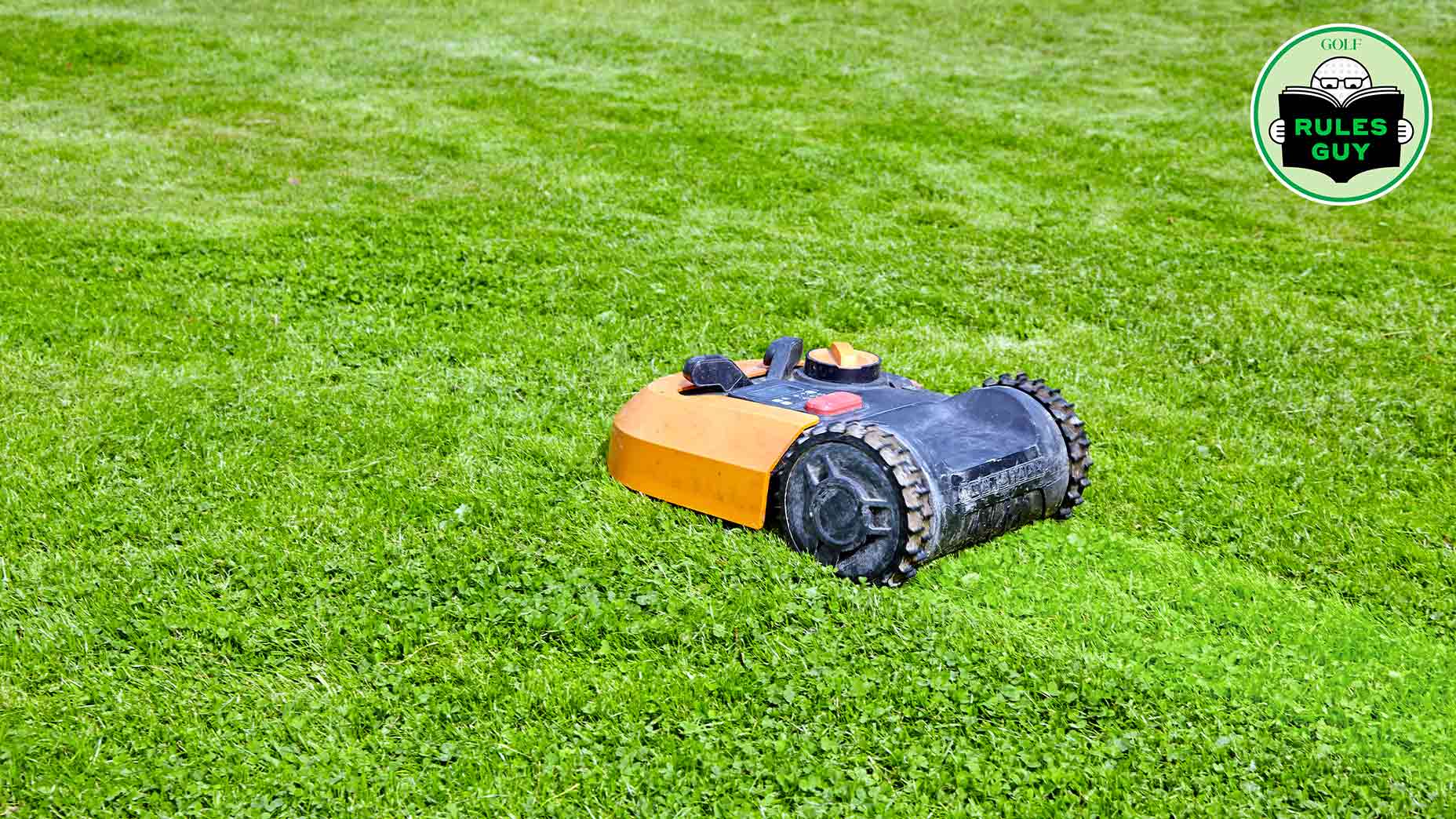
- The key here is Rule 11.1, which states: if a player's ball in motion accidentally hits a person, animal, or outside object an "outside influence" , there is no penalty to the player or anyone else.
- In such cases, according to Rule 11.1, you simply play the ball from where it came to rest, without any penalties.
- But as soon as the ball crosses the line defining the boundaries of the course, Rule 18.2b comes into effect, and a penalty becomes inevitable.
In golf, situations often arise that require a deep understanding of the Rules of Golf. One such curious dilemma concerns a case where a ball in motion accidentally hits an outside object, such as a lawnmower, and then goes out of bounds (OB). A natural question arises: should the player incur a penalty for such an event? The "Rules Guy" sheds light on this tricky situation.
Imagine a common scenario on the fairway. You execute a perfect shot, the ball flies precisely on its trajectory, but suddenly it strikes a working lawnmower that is cutting the grass at that moment. Bouncing off it, the ball, to your dismay, ends up out of bounds. What should you do in such a case? Can you re-hit the ball from where it struck the lawnmower without penalty? Or will you have to return to the original position and lose a stroke?
The key here is Rule 11.1, which states: if a player's ball in motion accidentally hits a person, animal, or outside object (an "outside influence"), there is no penalty to the player or anyone else. This rule was introduced so that players are not penalized for circumstances beyond their control. Regardless of whether the outcome of this collision was favorable or unfavorable, the player must play the ball from where it came to rest.
However, this is where a second, equally important rule comes into play – Rule 18.2b, concerning balls out of bounds or lost. If a ball, as a result of any impact (even an outside one), goes out of bounds, this automatically incurs a penalty of one stroke and the requirement to play the next stroke from where the previous stroke was made. This is called a "stroke and distance" penalty.
Therefore, if your ball hit a lawnmower and bounced out of bounds, although there is no penalty for the act of hitting the lawnmower itself (according to Rule 11.1), you must accept a penalty for the ball going out of bounds (according to Rule 18.2b). This means you must return to the spot from which the previous stroke was made (e.g., the tee if it was a drive, or the spot of the second shot), add one penalty stroke to your score, and play the ball again.
Do not confuse this situation with one where the ball, for example, hits a lawnmower and remains in the fairway, or even bounces into a more favorable position. In such cases, according to Rule 11.1, you simply play the ball from where it came to rest, without any penalties. But as soon as the ball crosses the line defining the boundaries of the course, Rule 18.2b comes into effect, and a penalty becomes inevitable.
This rule highlights an important aspect of golf philosophy: players are responsible for the outcome of their shots, even if that outcome was influenced by external factors that led to an unfavorable situation, such as going out of bounds. Exceptions are only made in cases where an outside influence directly prevents or intentionally changes the outcome of a shot (which is extremely rare and has its specific nuances in the rules). In most cases, accidental interference by an outside object does not negate the consequences arising from the ball's position after such interference.
In conclusion, if your ball hits a lawnmower and bounces out of bounds, you do not receive a penalty for the act of hitting the lawnmower itself. However, you do receive a one-stroke penalty and must replay the ball from the spot of the previous stroke because the ball went out of bounds. This is a classic example of how different rules can interact to create unique but logical solutions on the course.
Read more on this topic


