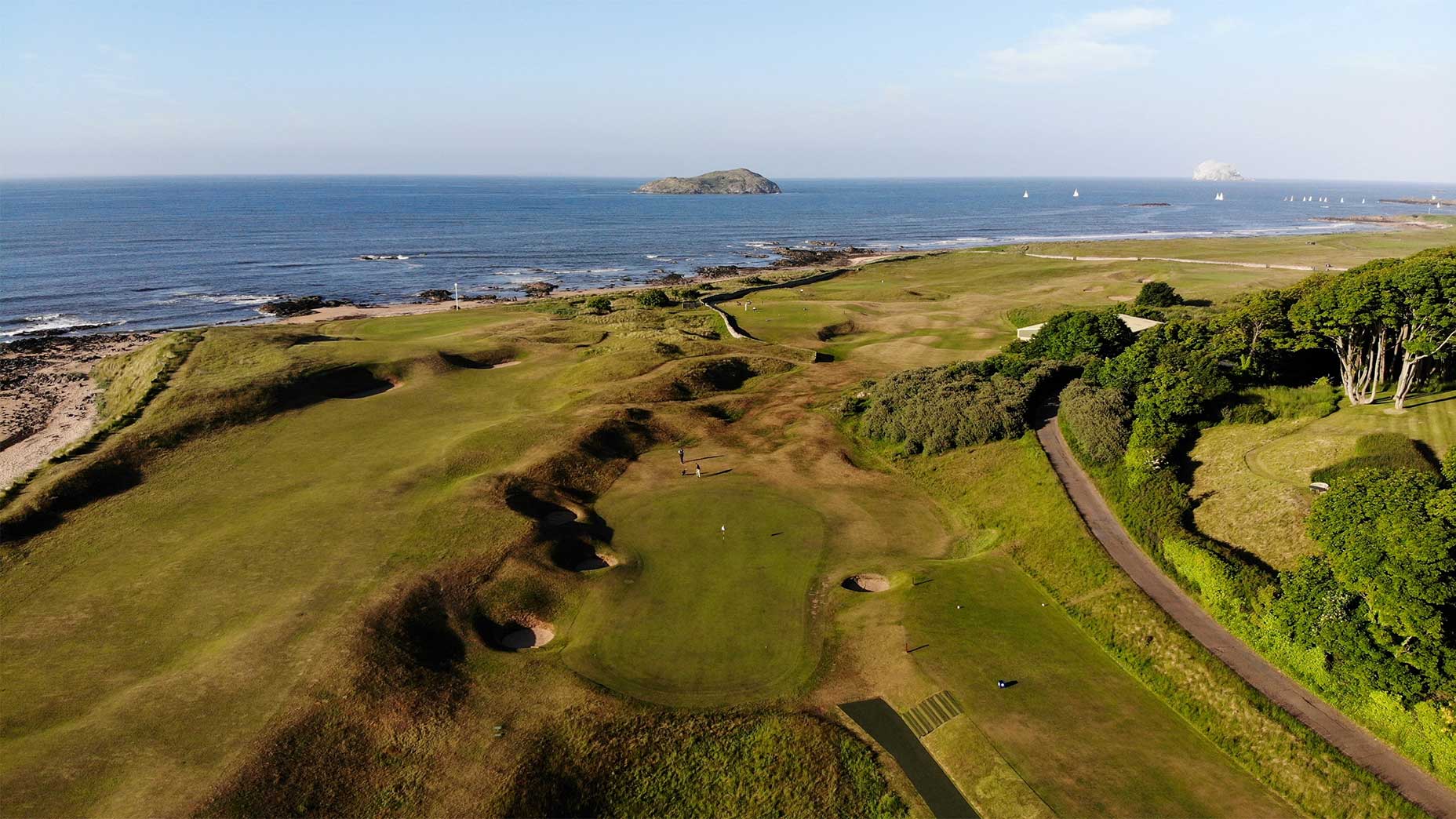
Architect Gil Hanse recently discussed his work on the famous Scottish golf course North Berwick in the Destination Golf podcast. This course is considered one of the most significant venues in the world of golf, thanks to its historically templated holes that have become models for many other courses worldwide. In recent years, North Berwick was ranked 25th in the list of the world's best golf courses by GOLF Magazine.
Hanse, along with his partner Jim Wagner, was invited to work on the preservation and enhancement of the course, which is suffering from erosion. As Hanse noted, their task is not to make radical changes, but to polish and protect the unique features of the course.
Specialists with experience in projects at The Country Club, Los Angeles CC, and Seminole are approaching North Berwick with special attention to historical details. The full interview with Gil Hanse is available in the Destination Golf podcast.
Read more on this topic

Where should a chip land? A 24-shot practice test for your short game
Successful chipping involves choosing a landing spot as well as a final target. We examine a 23 October MyGolfSpy practice idea and offer a measurable, safety-conscious 24-shot self-test.
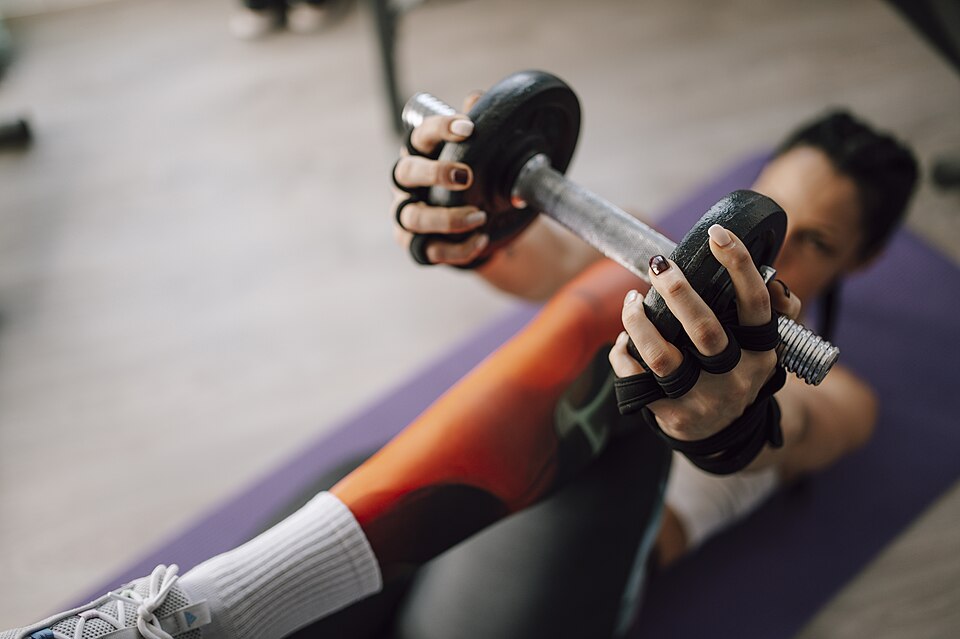
Can physical training add golf distance? What 33 studies actually found
A meta-analysis of 33 studies involving 798 golfers assessed how physical training affects club speed and distance. Here is what the averages mean, what remains uncertain and how to track your own progress.
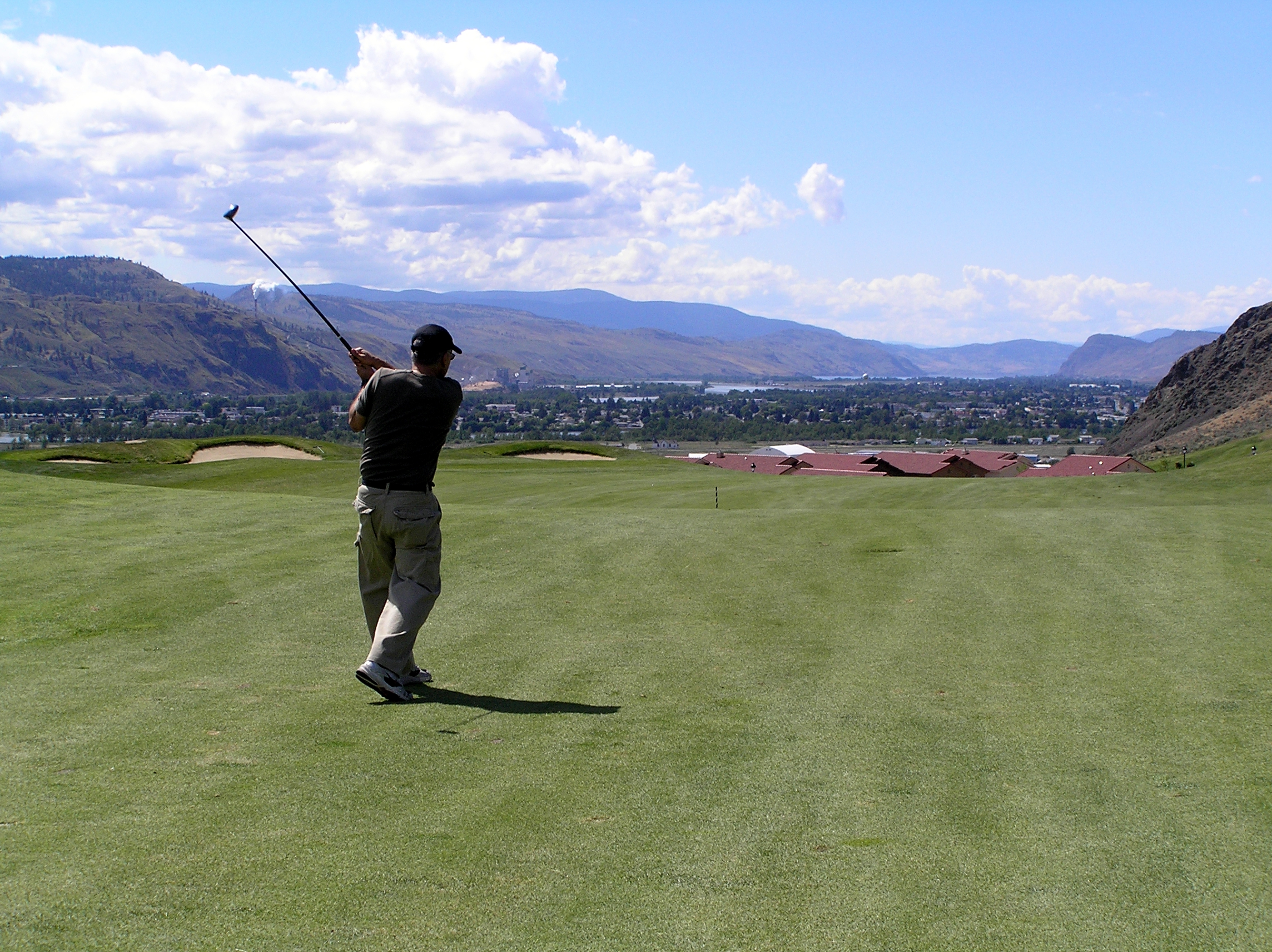
Alps Tour Q-School 2027: Amateur Handicap Index Limit Rises to 2.0
The Alps Tour's 2027 Q-School rules admit male amateurs with a Handicap Index of 2.0 or better, compared with 0.0 in the previous cycle. Dates, 35 Category 6 cards, conditional status and the special November 3 deadline explained.
Why Chasing an Effortless Swing Can Backfire: A 24-Ball Practice Check
After a great round, an easy-feeling swing can become a misleading goal. A teaching professional’s recent observation suggests a better approach: track your routine, strike quality and balance rather than trying to reproduce a sensation.