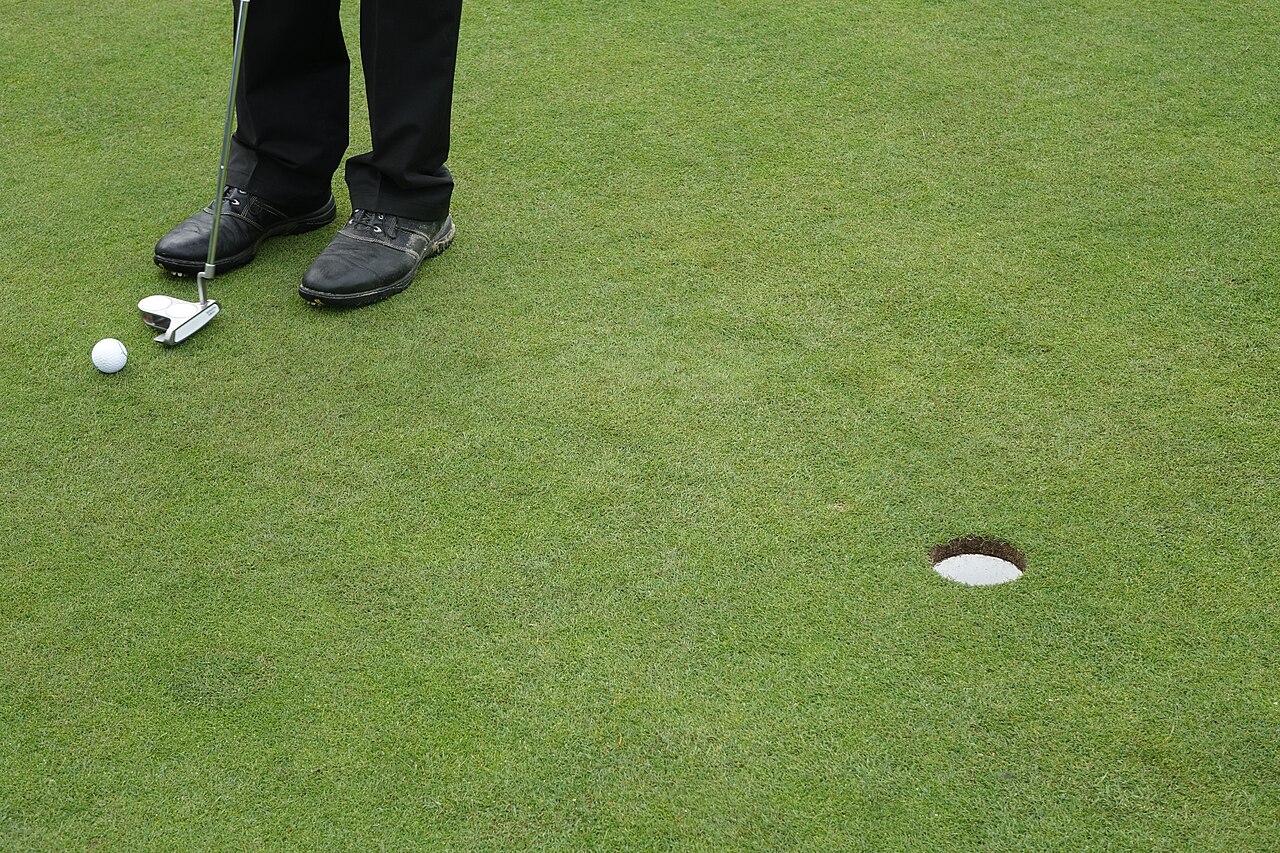
The Netherlands, 30 October 2026. A quick nine holes after work or a traditional 18-hole round? For Leiden golfer Erwin Mulder, the debate is as much about the future of golf clubs as it is about playing time. In an interview published by GOLF.NL, the 59-year-old argued that a shift towards shorter rounds may come with less interest in competitions, volunteering and caring for courses. This is his concern, not a proven causal link.
A club is more than a place to play
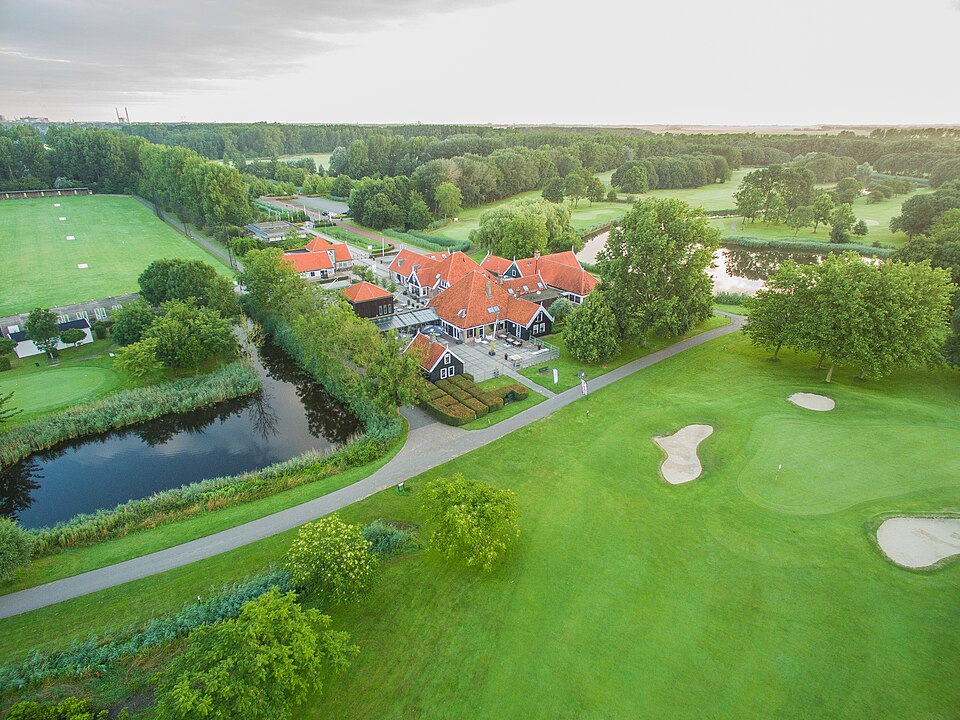
Mulder belongs to Golfclub Liemeer, plays off a +0.6 handicap and works in golf, including GPS mapping of courses and organizing the Open Golf Tour. He remembers experienced members introducing newcomers not just to technique but also to repairing pitch marks, maintaining bunkers and respecting fellow golfers.
He worries that a purely convenient, quick-round approach leaves fewer opportunities to experience club competitions and shared responsibilities. Yet he acknowledges an important exception: a golfer he knows plays almost exclusively nine holes but spent years chairing a course committee. Round length, therefore, cannot by itself establish how committed a golfer is to the club.
What the federation's numbers actually say
Figures published by the Netherlands Golf Federation (NGF) show that 62.4% of 1,995,766 qualifying scores registered in 2025 were from nine-hole rounds, compared with 37.6% from 18 holes. Among non-competition qualifying rounds, the nine-hole share was 70.4%. In qualifying competitions, 64.3% of submitted scores came from 18-hole rounds. Competition scores accounted for 23.1% of all submitted qualifying scores.
Crucially, these are registered handicap-qualifying scores, not a count of every round played in the Netherlands or a measure of participation in club life. They do not show that nine-hole golfers volunteer less or take poorer care of courses.
Can accessibility and tradition coexist?
Mulder is not calling for rigid dress rules: he places greater emphasis on golf etiquette, understanding the game, mentorship for beginners and attentive course marshals. Others can reasonably argue that shorter rounds make the game more accessible to people balancing work or family commitments.
The productive question is whether clubs can turn convenient nine-hole golf into sustained involvement in competition, volunteering and course stewardship. Answering that will require more than a comparison of scorecards.
Sources: Roy Heethaar's original GOLF.NL interview of 30 October 2026 and the NGF 2025 handicap statistics: https://www.ngf.nl/over-de-ngf/missie-en-visie/handicap-feiten-cijfers-2025.