An indoor session is not a miniature driving range
On 27 October 2026, Danny Kapp of Rock Bottom Golf published suggestions for maintaining golf skills during the off-season. A useful distinction is between skills that can be measured in a room and outcomes that require a real course. A putting mat can give feedback about starting direction; a soft practice ball can help you select a landing spot; slow rehearsals can make an existing coaching cue easier to remember. None of these recreates real green speed, turf interaction or ball flight.
1. Putting: measure the starting line
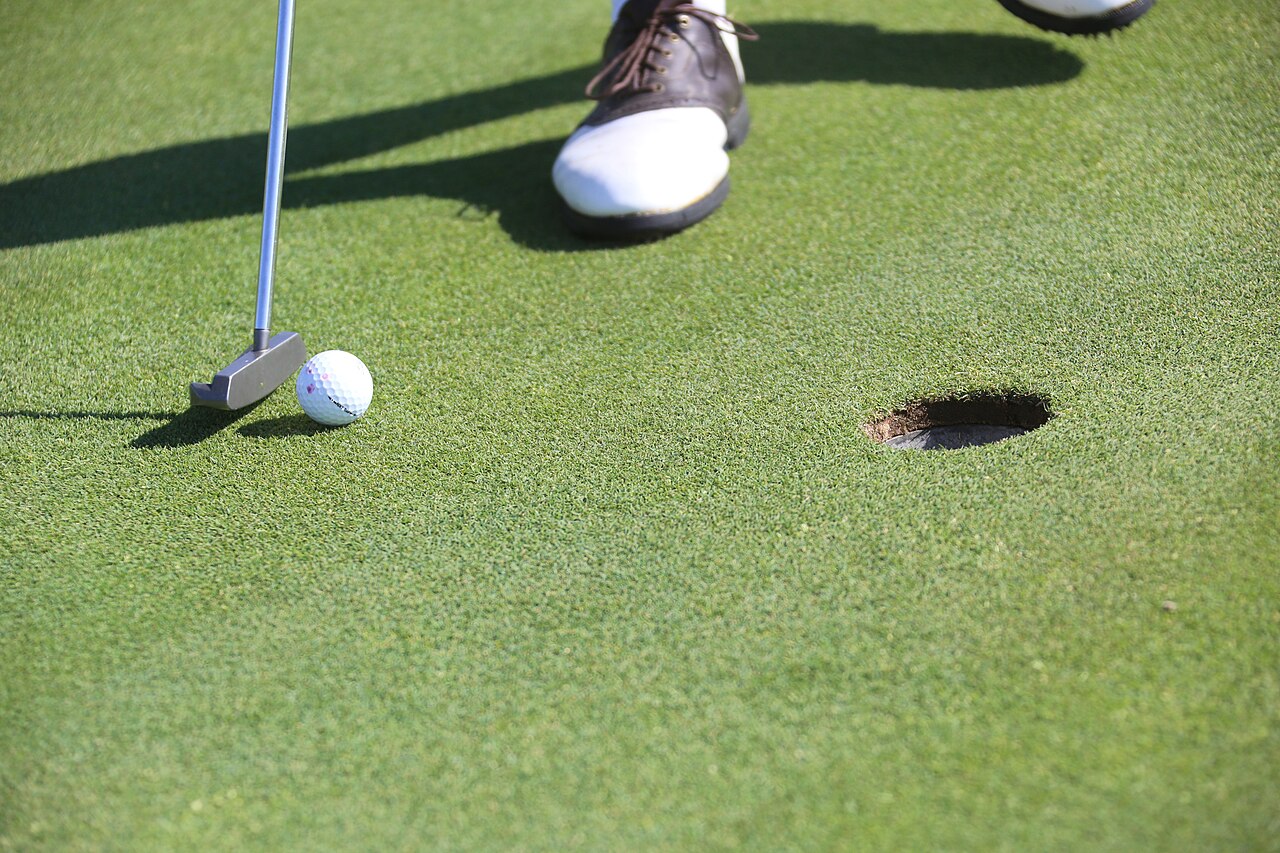
On a level mat, pick a straight target line and put down a low, flat reference marker about a metre away. Hit 10 putts and count how often the ball passes through the intended line. Use the same putter, ball and starting spot for the next session. A recurring left or right miss is a reason to check face orientation and address alignment with a coach, not proof of one specific fault. Carpet pace is not a substitute for distance control on an actual green.
2. Chipping: focus on a landing zone, not rollout
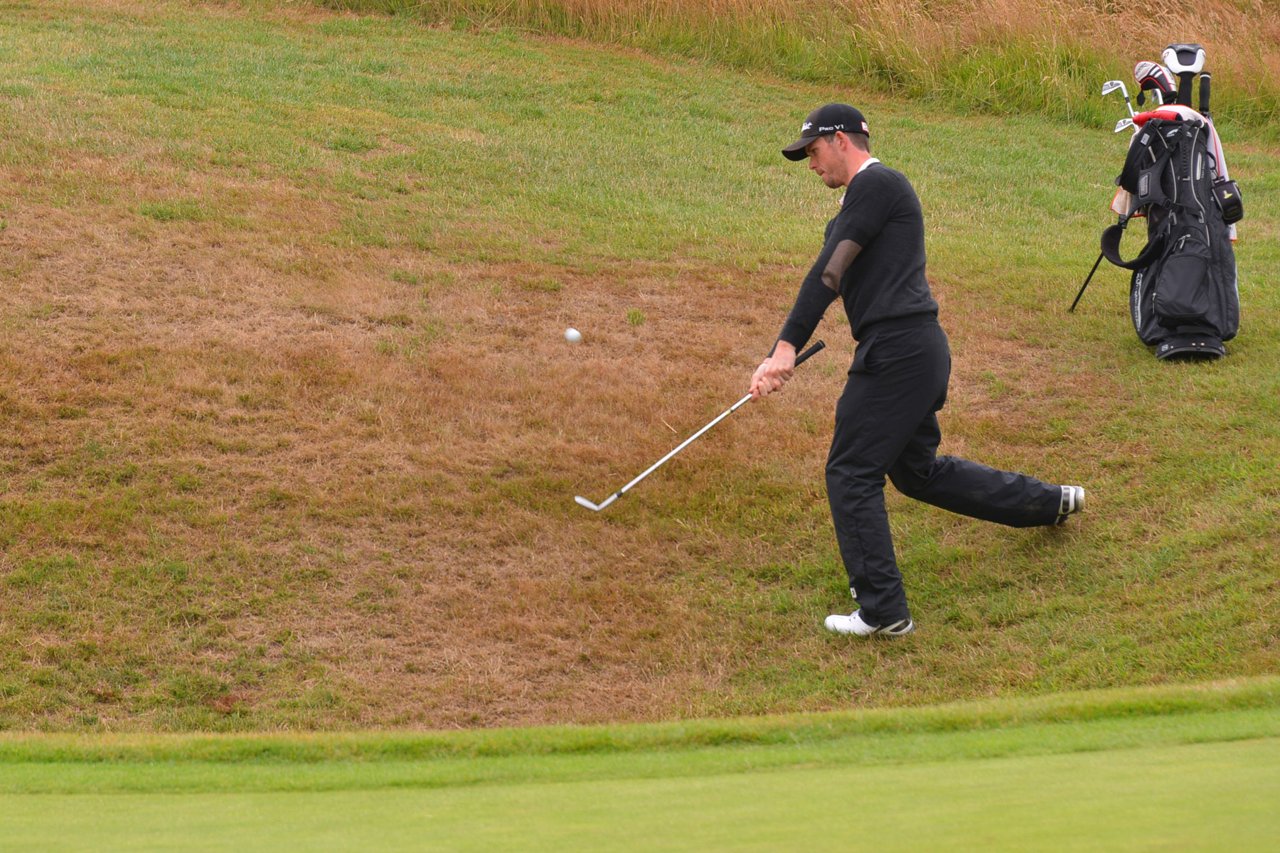
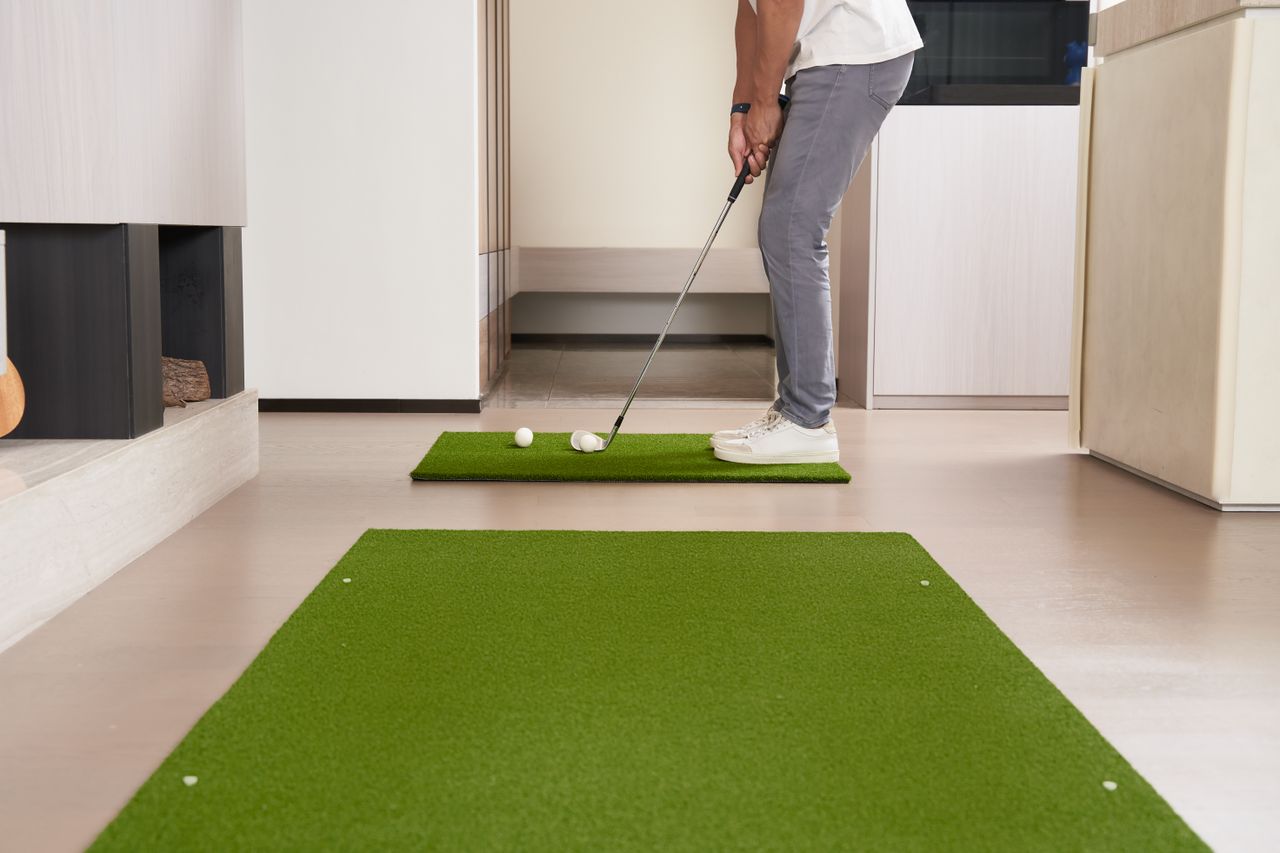
Use soft foam practice balls only, with plenty of clearance and nobody nearby. Place a towel on the floor and attempt ten small, controlled chips toward its surface. Note the number of landings on the towel. If there is insufficient room, do not make an actual stroke: practise identifying a landing zone in hypothetical short-game situations. A foam ball cannot reliably predict the carry and rollout of a regulation ball on turf.
3. Slow-motion rehearsals: compare with your own lesson notes
Record a few gentle swings without a ball and review your address position, takeaway and the way your torso moves. Compare the recording with the specific checkpoint your instructor has already given you, rather than copying a universal pose from a professional player. A visually tidy position cannot by itself prove good impact. If a club might approach a ceiling, light, window, pet or person, rehearse without holding it.
4. Impact rehearsal and mobility: optional, not compulsory
A purpose-made impact bag may be used for gentle position rehearsals in an appropriate area, following the manufacturer's instructions. It does not measure whether you would strike a real golf ball cleanly with an iron. No bag is needed for the session below. Comfortable torso and hip movement can form a warm-up; stop if the movement hurts, and seek individual advice when managing an injury.
An editorial 20-minute plan
This is a convenient sample routine, not a scientifically validated training protocol. Spend 3 minutes on gentle warm-up movements; 6 minutes on putting start-line attempts, recording results out of ten; 4 minutes on foam-ball landing targets only if the space is safe; 4 minutes on slow rehearsals and short video review; and 3 minutes noting the numbers and one question for your coach.
For example, write “start line 7/10” and “landing towel 5/10”, rather than “putting improved by 20%”. Repeat the same test in a later session if you want to observe consistency. A better result on a home mat does not automatically translate into a lower score on the course. If your room only accommodates putting, do only that safely.
Source and date: Rock Bottom Golf, Danny Kapp, 27 October 2026.