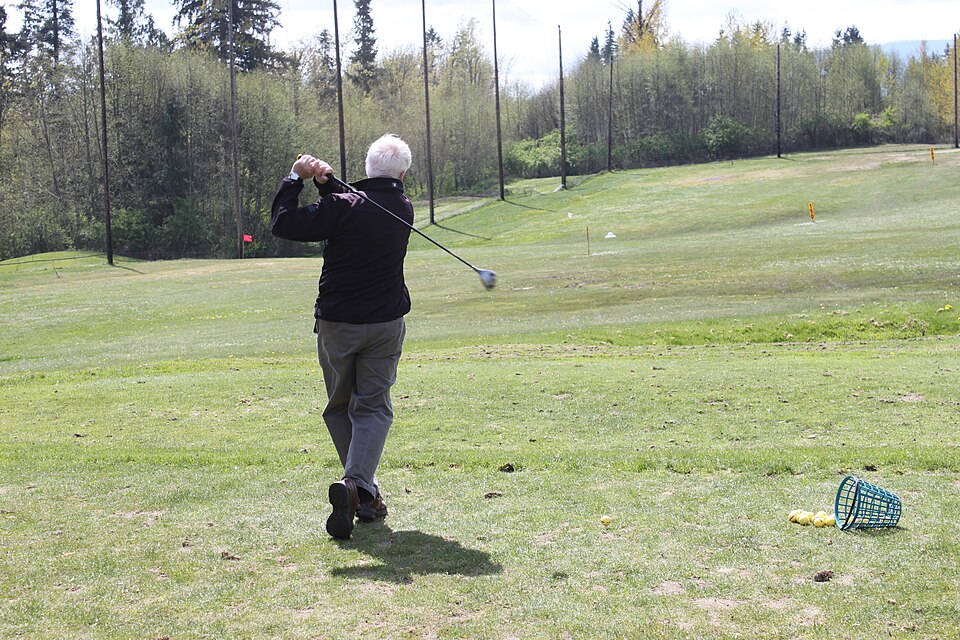
An iron swing felt automatic yesterday; today the same motion feels strange. The temptation is to change your backswing or hip action immediately. But swing feel, the movement you make and the ball flight you produce are three different observations.
In a 26 October 2026 MyGolfSpy article titled “Why Does My Golf Swing Feel Different Every Day?”, PGA of America professional Brendon Elliott advises checking preparation, address and shot outcomes before rebuilding technique. This is practical coaching guidance, not a controlled study with a proven percentage improvement.
Separate feeling from performance
A shorter backswing may feel dramatically abbreviated at first, then entirely normal after practice, even when the club reaches the same position on video. Equally, an old habit could have returned. Feeling alone cannot tell those possibilities apart. If contact remains sound and the next shot is playable, discomfort with the sensation need not trigger a swing overhaul before a round. Persistent heavy strikes and directional misses are more useful reasons to investigate.
Warm up before diagnosing
Elliott asks you to compare today with the preparation behind a successful session. Yesterday you may have begun with half wedges, built toward short irons, then moved into full swings. Today perhaps you made two rehearsal motions on the first tee. Begin with a reachable wedge target, gradually increase swing length and move to an iron once contact feels comfortable. Take wind and conditions into account: falling short into a headwind does not prove a technical flaw.
Next check setup: stance width, ball position, distance from the ball and aim. Widening the stance by moving only the lead foot changes the ball's position relative to your feet. Standing closer changes the space available to the arms. A subtle alignment error may look like a path problem. Lay an alignment stick along the toe line, outside the striking area, and check its relationship to the intended starting direction. Never put a stick where the club could hit it.
Do not intensify a once-useful sensation forever
Suppose your coach asked you to shorten an excessively long backswing. It initially felt very short and video confirmed the desired position. After several sessions it feels normal. Shortening it further just to recover the odd sensation may move you beyond the intended correction. Compare video from equivalent camera positions and the reference agreed with your instructor.
GOLFTWITT's 24-ball observation routine
This is an original editorial practice check, not an Elliott drill or a scientifically validated training intervention. Work in a safe practice area with attainable targets.
Balls 1–6: gradual warm-up. Hit six wedges, progressing from short swings to comfortable three-quarter swings. Notice when contact becomes familiar, without chasing maximum distance.
Balls 7–12: address baseline. Use one mid-iron and one target. Before each shot, check stance, ball position, distance and aim. Afterward, note strike quality, whether the ball started within your chosen corridor and a 1–5 comfort score.
Balls 13–18: verify the motion. Keep club and target constant. If possible, film a few swings from a repeatable, safe location outside the line of fire. Change no more than one variable, and only when you find a specific deviation from your usual setup or your coach's instructions. Compare the number of playable shots with the previous six.
Balls 19–24: simulate play. Alternate two shot types; select a fresh target and follow your pre-shot routine every time. Judge whether each outcome would leave an acceptable next shot rather than trying to reproduce yesterday's best feeling.
Limits: Twenty-four balls help organise observations but cannot establish lasting improvement. Stop if something hurts. If problems persist after warming up and checking address, take a short video and shot notes to a qualified instructor.
Source: Brendon Elliott, MyGolfSpy, 26 October 2026: https://mygolfspy.com/news-opinion/why-does-my-golf-swing-feel-different-every-day/. The four-stage check is independently created by GOLFTWITT; the archival photo does not depict Elliott's lesson.