
Ground force is about timing, not just magnitude
On 22 October 2026, the Titleist Performance Institute (TPI) published Dr Greg Rose's Pelvic Punch teaching drill. The question is when the golfer recruits the legs and trunk during the downswing. A powerful push that happens late has less time to contribute to clubhead acceleration before impact. This does not mean jumping at the golf ball: pressure shift, rotation and the arms still need to work together.
When golfers push through their feet, the ground produces a reaction force. Peak force is just one part of the picture. Timing, direction and coordination matter too. A bigger force-plate number does not automatically mean a longer or straighter shot.
What TPI's example can — and cannot — show
TPI discusses an assessment of Michael Brennan, a long-hitting PGA TOUR professional. In that example, vertical force peaked early in the downswing, before the shaft reached vertical. The observation helps explain how one powerful player organizes his swing. It is not a controlled Pelvic Punch trial among amateurs and provides no universal force target for every player.
How Pelvic Punch works
Step 1: Prepare safely. Take an 8-iron, clear the hitting area and warm up. Rehearse several gentle movements without a ball.
Step 2: Stop on the way down. Recreate the downswing and pause with the shaft approximately parallel to the ground. This is a low position during the downswing, not the top of the backswing.
Step 3: Swing from the stop. Without taking the club back up, swing down and through. TPI wants golfers to explore accelerating with the legs and trunk rather than simply throwing the arms. Begin slowly without a ball; add a ball and build effort gradually only when the movement is stable.
Step 4: Start slightly higher. When comfortable, pause with the shaft at roughly 45 degrees and repeat. Finally, explore whether the sensation transfers to a normal full swing. Do not lock the knees or force an elite golfer's joint positions.
An original GOLFTWITT 24-shot practice check
This is an editorial exercise, not TPI's research protocol or a proven way to gain distance. Warm up first, keep the same club and aim at one clear target.
Shots 1–6: Baseline. Hit six normal, controlled 8-iron shots. Record start direction, strike quality and finishing balance. Club speed and carry are optional if you have a monitor.
Shots 7–12: Parallel shaft. Make six gentle shots from the short paused position. No second backswing and no sudden throw with the hands. Do not expect the same raw distance as a full swing.
Shots 13–18: About 45 degrees. Make six shots from the higher paused position, noticing contact, starting direction and balance. Stop if the movement becomes painful or uncontrollable.
Shots 19–24: Transfer. Return to six standard swings with a single simple cue about earlier lower-body involvement. Compare the whole group against the baseline rather than selecting the best ball. A single practice session does not prove lasting skill acquisition.
Limits and safety
TPI does not present a randomized study demonstrating a guaranteed club-speed or carry increase from this drill. Extra effort without centered contact may worsen results, and golfers differ in mobility and physical capacity. Avoid explosive variations if you experience back, knee or wrist pain, and seek qualified advice where needed. The practical aim is well-timed, controllable motion, not instant extra yards.
Primary source: TPI, How to Apply Force Earlier in the Golf Swing, 22 October 2026 — https://www.mytpi.com/articles/swing/how-to-apply-force-earlier-in-the-golf-swing.
Read more on this topic
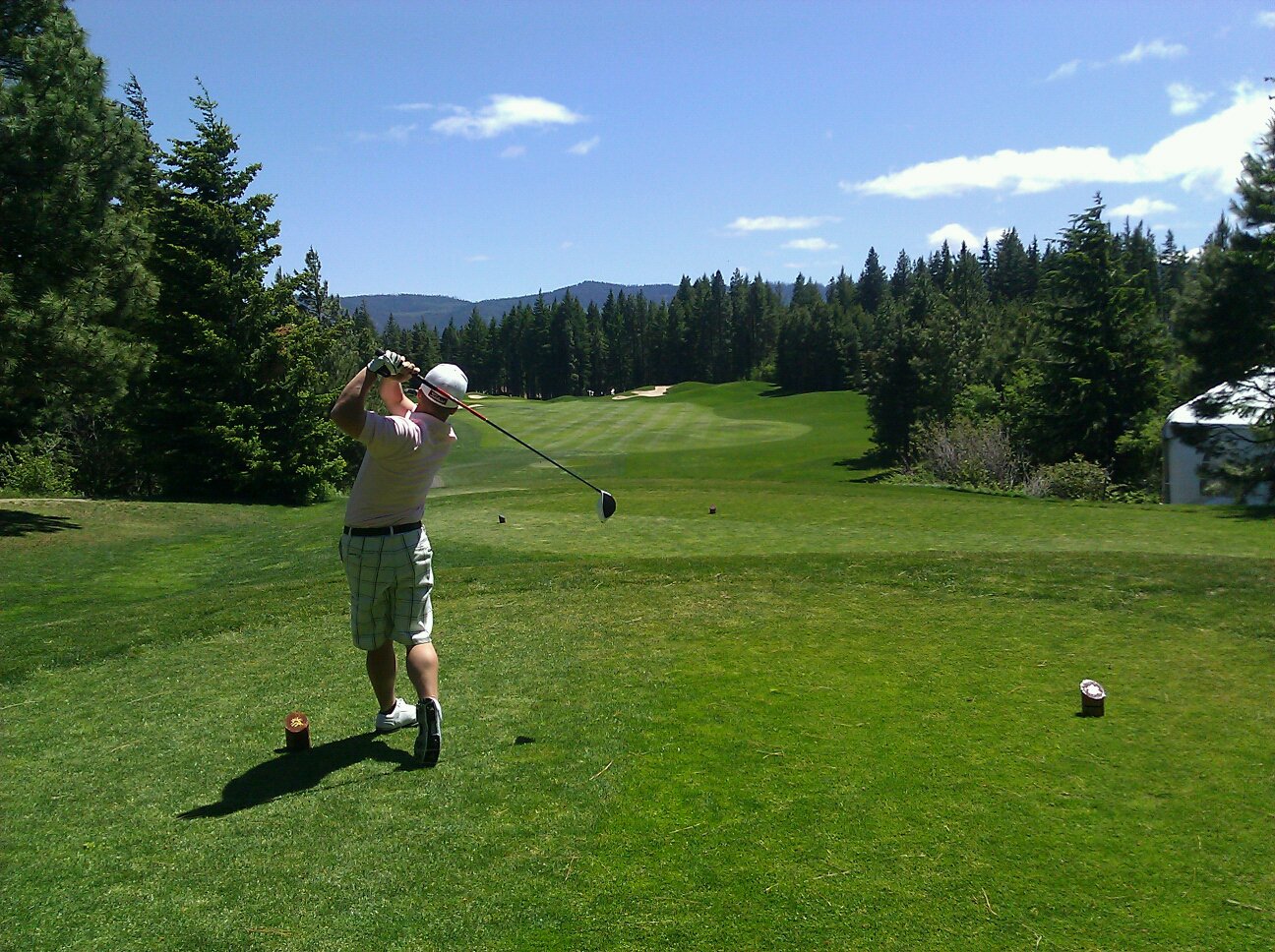
Can a Smartwatch Analyse a Full Golf Swing? Evidence From 36 Golfers
A 36-golfer experiment tested full-body motion estimates from one wrist sensor. We explain the accuracy, limitations and a practical 18-shot observation log.
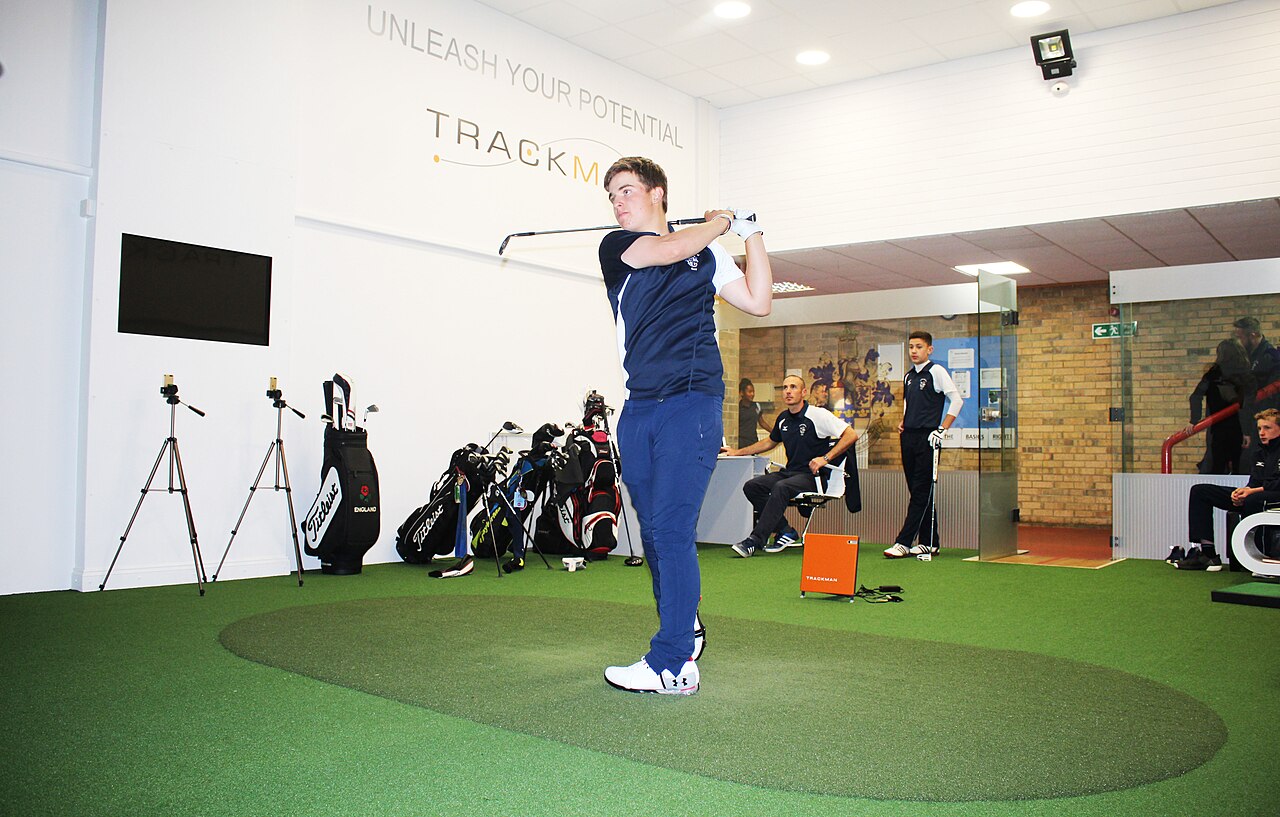
Launch Monitor Numbers vs. Real Golf Learning: A 24-Shot Self-Check
A launch monitor can measure a shot, but does that mean a skill was learned? We examine MyGolfSpy's October article and offer a careful 24-shot practice exercise.
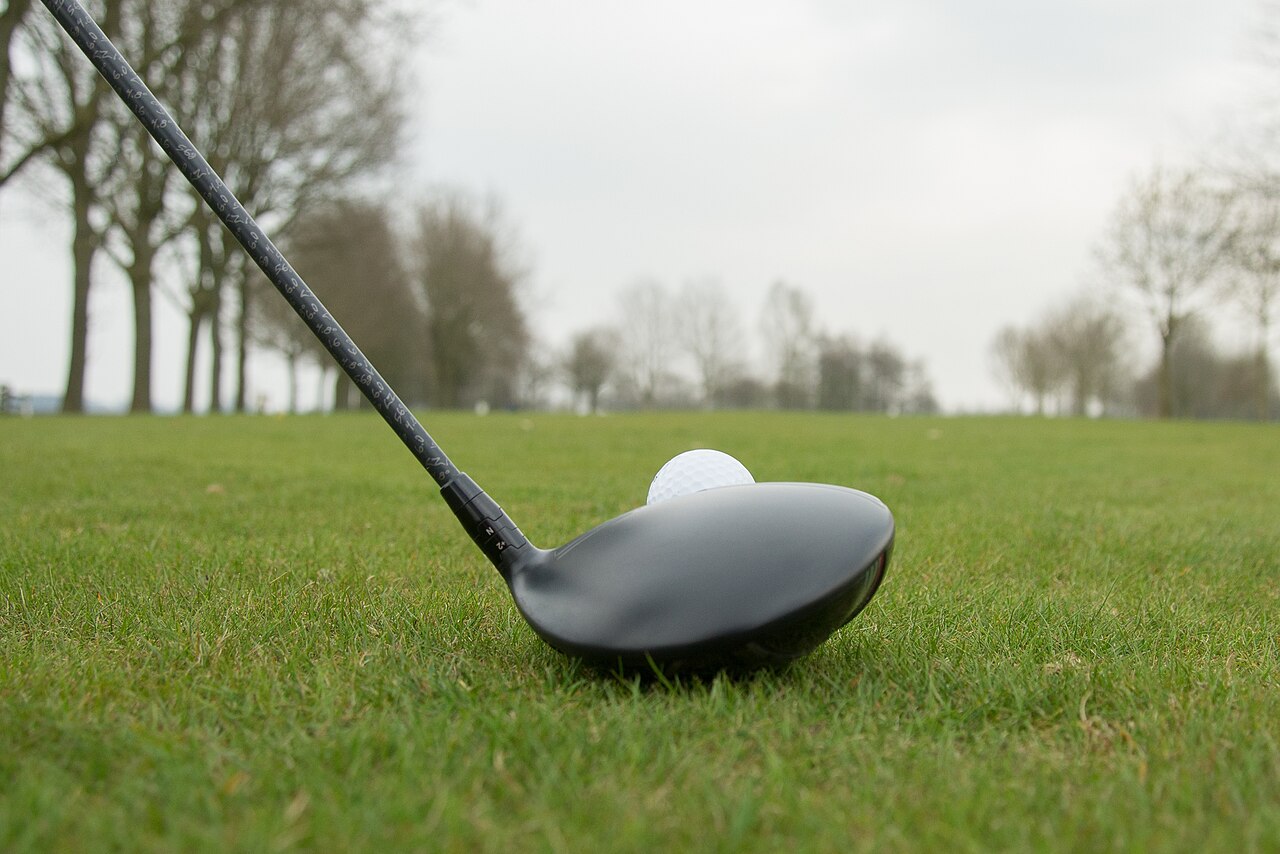
Do High-MOI Drivers Really Help Poor Ball-Strikers More? What 99 Testers Reveal
A seven-year MyGolfSpy analysis of 99 testers found no special extra carry benefit for frequent mishitters, but about 6% tighter carry spread from more forgiving drivers. Here is how to interpret and test that.
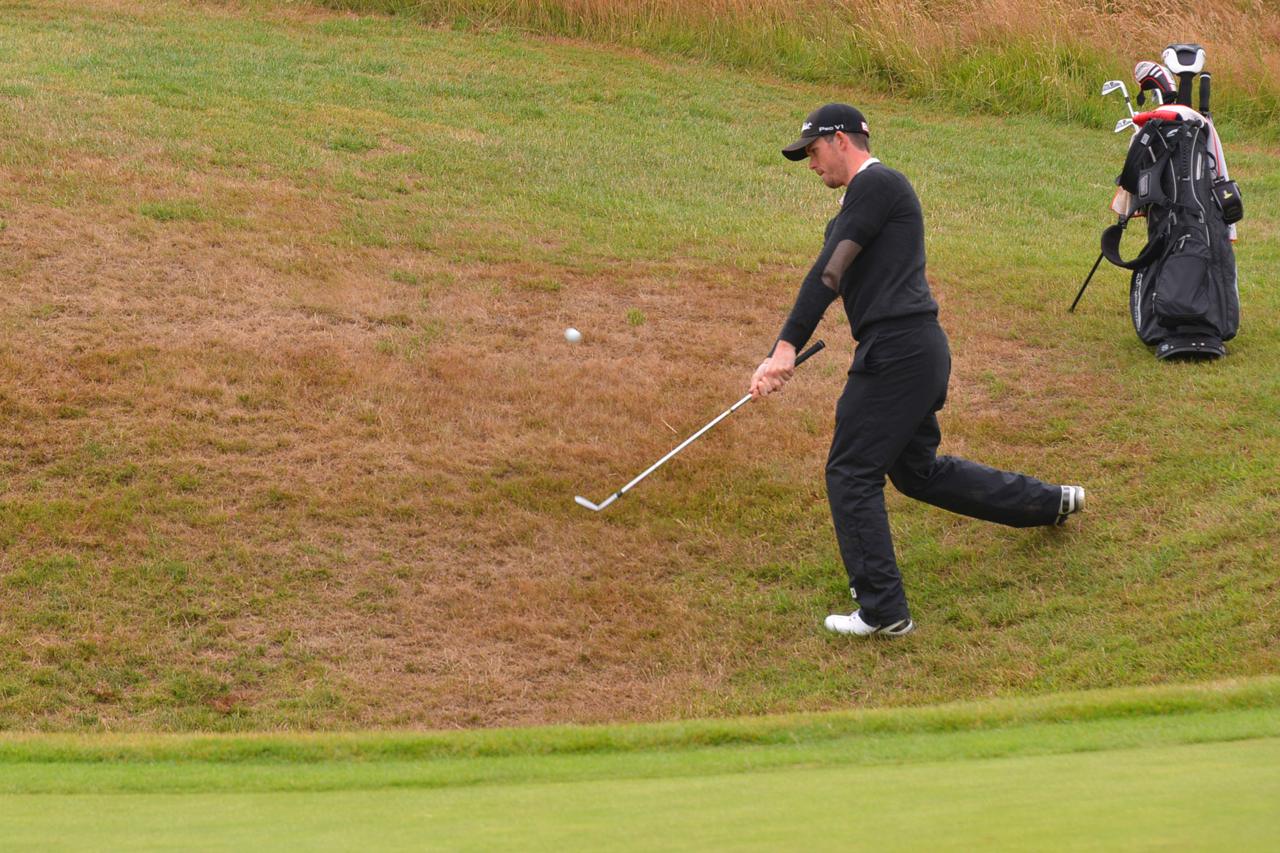
Two ways to hit a flop shot: Debbie Doniger's coaching keys and a 24-ball practice
A high, soft-landing flop shot can help when the flag is short-sided—but the safer option may be a chip. Explore Debbie Doniger's two setups, when to avoid the shot, and a measured 24-ball practice.