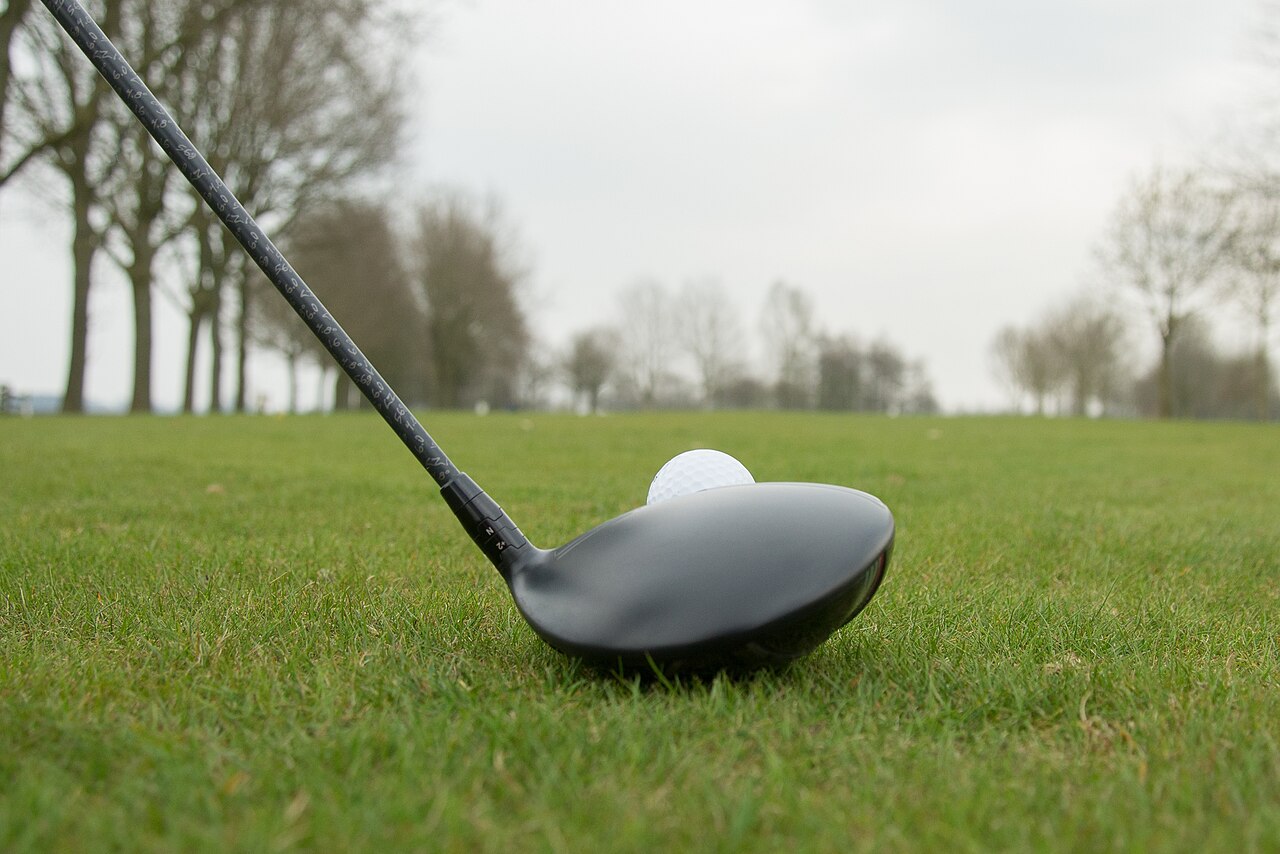
On October 26, 2026, MyGolfSpy published a seven-year analysis of driver testing with a result more nuanced than most advertising claims. Clubheads that better preserve ball speed away from the face centre did not confer a special, larger carry-distance gain on the golfers who mishit most often. Their more consistent advantage was a modest tightening of carry distances. Here is how to read those findings and test what matters in your own game.
WHAT THE DATA MEASURED
Brittany Olizarowicz reported results from 99 testers across seven years of MyGolfSpy driver evaluations. Crucially, the database did not contain measured moment-of-inertia (MOI) values for every head. Instead, the analysis assessed “forgiveness” using how much ball speed each club retained on off-centre strikes. This is a performance-based proxy related to stability, NOT a direct laboratory measurement of MOI.
For each tester, the most forgiving quarter of heads was compared with the least forgiving quarter. That within-player comparison is informative, but the dataset is not a randomized clinical trial. Loft, shaft, club length, launch conditions, differences across test years and individual delivery can still matter.
FIVE NUMBERS WORTH READING CAREFULLY
- On centre strikes, the more forgiving heads averaged 0.56 mph LESS ball speed.
- On large mishits, at least 20 mm from centre, they retained 0.73 mph MORE ball speed.
- Across all shots, average ball-speed difference was essentially zero: −0.05 mph.
- Average carry was about 0.72 yards shorter, but carry spread tightened by 0.47 yards, approximately 6%.
- The 0.20-yard reduction in sideways spread was too small to establish reliably straighter shots.
A six-percent tightening in carry spread is NOT the same as six-percent better directional accuracy, six-percent more fairways or a six-percent lower score. Carry measures distance to first landing, not total distance including roll.
DID POOR STRIKERS BENEFIT MORE?
The least consistent quarter of players missed the face centre by at least 20 mm on roughly 32% of shots, compared with about 6% for the most consistent quarter. The extra carry benefit for the less consistent group was only about 0.33 yard relative to their more consistent peers, not a persuasive advantage in this dataset. That does not mean every golfer responds identically; sample size, driver fit and the proxy used for forgiveness all limit generalization.
Eight “10K-class” drivers tested in 2024–2026 offered an interesting counterpoint to the notion that higher forgiveness must cost distance. In this analysis, their carry averaged 0.87 yard more than the overall driver average. “10K” is a product category, however, not an individual fitting guarantee.
HOW TO TEST THIS ON YOUR OWN RANGE
GOLFTWITT's original 24-shot check is an editorial self-assessment exercise, not a scientifically validated practice protocol or a promise of lower scores.
Warm up and use the same ball model and tee height throughout. If available, use a launch monitor that reports carry rather than total distance. Compare two drivers with settings as similar as possible. If shaft, loft, length or weight differ, avoid attributing every result to head forgiveness. Hit 12 balls with each club, alternating in short blocks (A–B–A–B). Record carry, lateral miss relative to your chosen target line and impact location on the clubface; manufacturer-approved impact tape or spray can help during practice. Decide beforehand how you will handle obvious measurement failures rather than silently excluding poor shots.
Compare median carry, landing-distance range, large-mishit frequency and left-right dispersion, not just the longest drive. Also examine the strikes you actually miss: toward the heel, toe, high or low. If the differences remain small, repeat the check on another day and consider an independent fitting before spending money.
WHAT THE RESULTS DO NOT PROVE
This test does not show that high-MOI designs are useless to beginners, that a forgiving head cures a slice, or that a 0.47-yard change has the same value on every course. It asks a more practical question: would you accept nearly identical peak distance in exchange for more predictable landing distances? Your strike pattern and dispersion may answer that better than the marketing label.
Source: MyGolfSpy, Brittany Olizarowicz, “High MOI Drivers Don’t Help Bad Ball Strikers More. Here’s What They Actually Do,” October 26, 2026. https://mygolfspy.com/news-opinion/high-moi-drivers-dont-help-bad-ball-strikers-more-heres-what-they-actually-do/
Read more on this topic
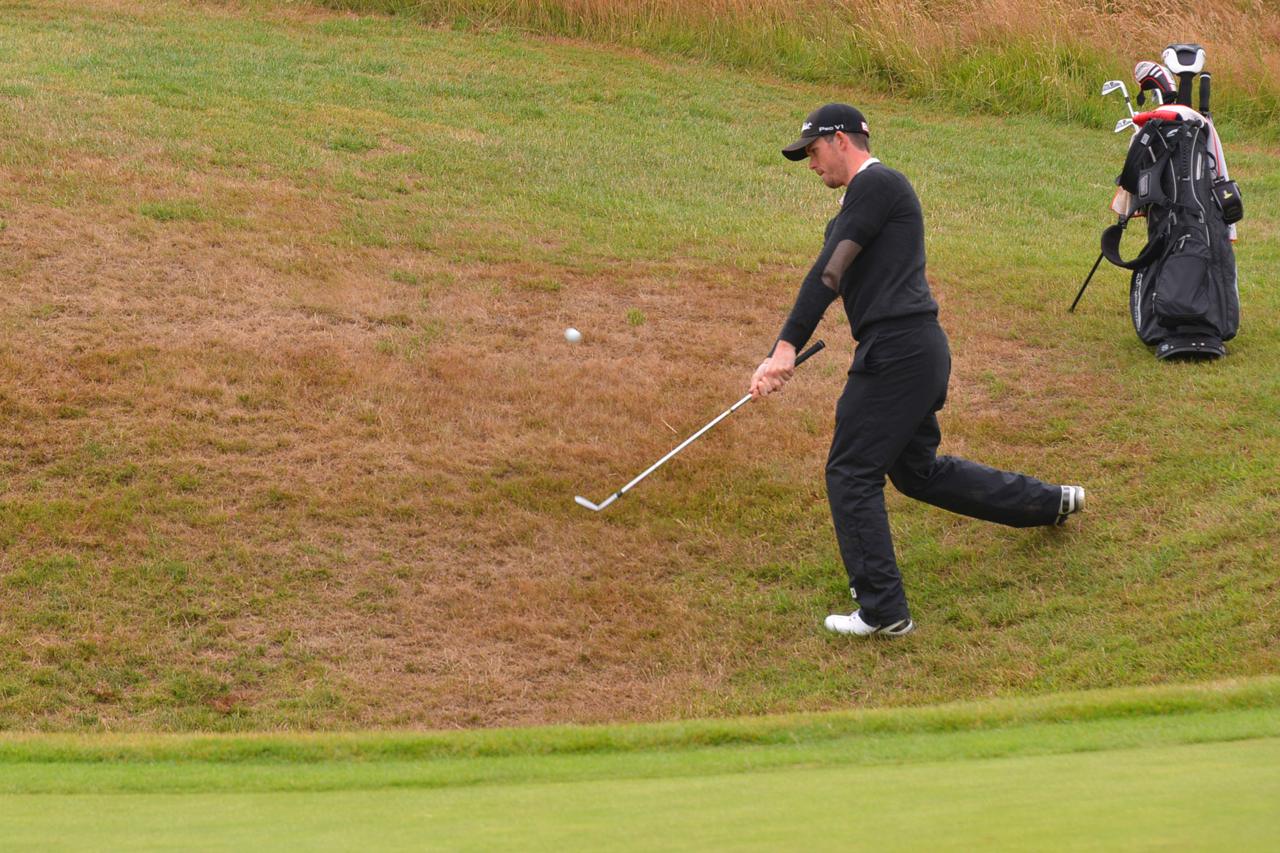
Two ways to hit a flop shot: Debbie Doniger's coaching keys and a 24-ball practice
A high, soft-landing flop shot can help when the flag is short-sided—but the safer option may be a chip. Explore Debbie Doniger's two setups, when to avoid the shot, and a measured 24-ball practice.
When Your 5-Iron Adds Almost No Distance: Lessons From 495 Tester-Years
A MyGolfSpy analysis of 495 tester-years (2017–2026) found that slower swings do not necessarily make 5-irons harder to strike, but can shrink their carry advantage over a 7-iron. The evidence, caveats and a practical 24-shot check.

Driver vs. Irons: Four Resistance-Band Drills to Explore Different Body Movements
Golf fitness coach Ben Shear contrasts lateral shift and torso rotation for iron and driver swings. Here are four band exercises, their limits, and a measured practice check.

More Driver Speed Without a Violent Lunge: Coordinating Feet, Body and Hands
GOLF Top 100 teacher Joe Plecker explains the link between foot pressure and arm action in generating club speed. We unpack the swing sequence, a commonly misunderstood 'slow the hands' cue and an 18-ball self-check.