
Augusta's Enchanted Garden: A Nature Lover's Field Guide to Augusta National Golf Club
Augusta National Golf Club is not only one of the most prestigious sports facilities in the world but also a true botanical garden. Discover the rich flora and fauna of the legendary course that hosts the Masters Tournament.
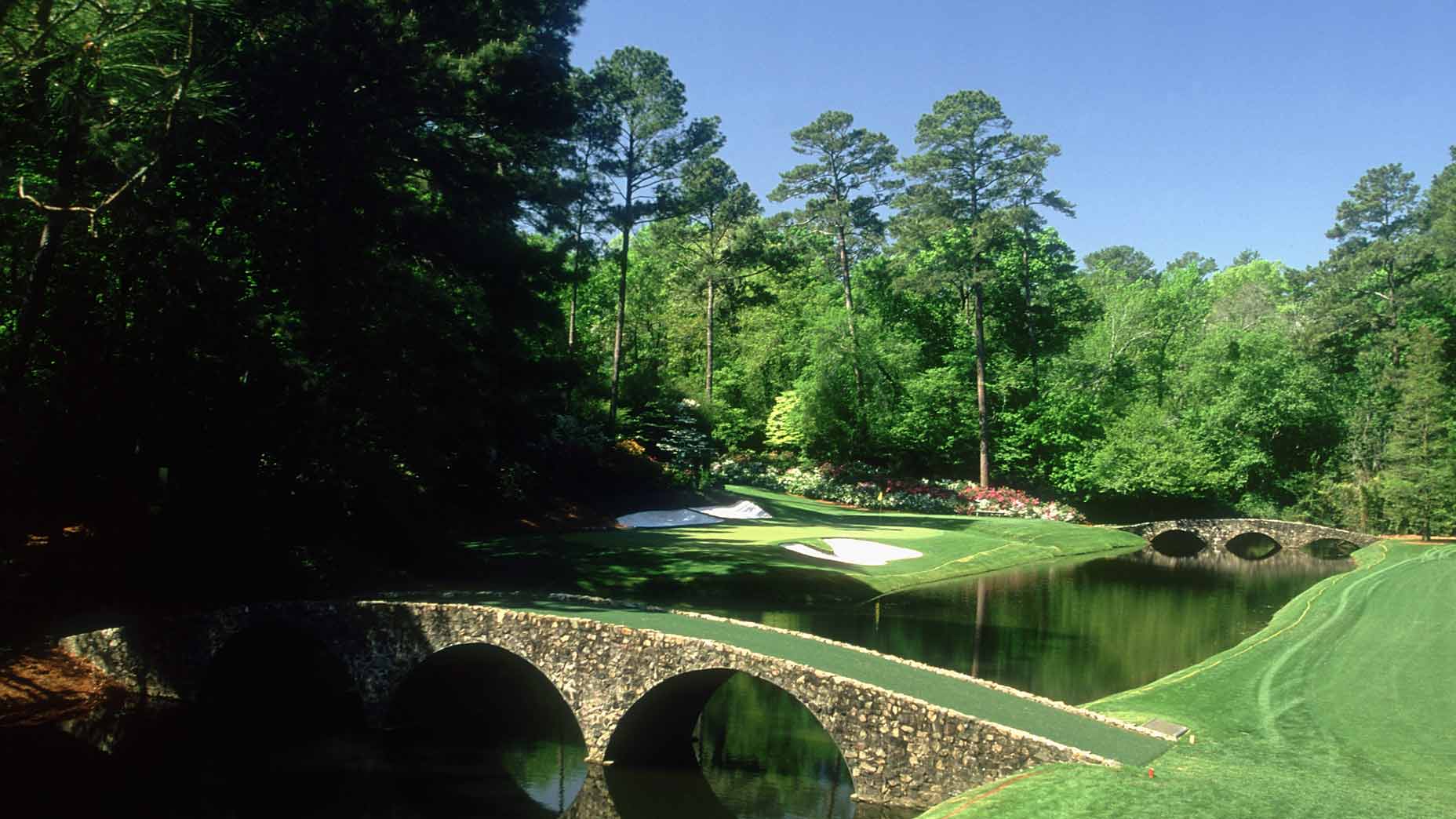
- Augusta National Golf Club is not just one of the most prestigious sports facilities in the world, but also a true botanical garden where every corner breathes history and natural beauty.
- This legendary club, known as the home of the Masters Tournament, was originally a plant nursery, which explains the incredible diversity and richness of its flora and fauna.
- For nature and golf enthusiasts alike, Augusta National offers a unique experience, immersing visitors in a world where trees, shrubs, and flowers are as much stars as the great champions.
- A Rich Nursery Heritage Augusta National's history as a nursery, owned by the Berckmans family, laid the foundation for its current splendor.
Augusta National Golf Club is not just one of the most prestigious sports facilities in the world, but also a true botanical garden where every corner breathes history and natural beauty. This legendary club, known as the home of the Masters Tournament, was originally a plant nursery, which explains the incredible diversity and richness of its flora and fauna. For nature and golf enthusiasts alike, Augusta National offers a unique experience, immersing visitors in a world where trees, shrubs, and flowers are as much stars as the great champions.
A Rich Nursery Heritage
Augusta National's history as a nursery, owned by the Berckmans family, laid the foundation for its current splendor. When Bobby Jones and Alister MacKenzie acquired the land to create their masterpiece, they inherited an incredible collection of plants from around the world. This heritage has been carefully preserved and augmented, transforming the golf club into a living botanical museum.
Each of Augusta National's 18 holes is named after a specific tree, shrub, or flower found on the course. This is not merely a tribute to nature but also a way to navigate the space and emphasize the unique character of each hole. The course is famous for its magnolias, azaleas, and camellias—plants that have become an integral part of its identity.
Distinguished Flora
- Azaleas: Without a doubt, azaleas are the hallmark of Augusta National. Their lush mid-spring bloom, coinciding with the Masters, paints the course in vibrant shades of pink, red, purple, and white. It seems as if every hole is framed by living floral carpets. There are over 30 different species of azaleas planted throughout the course, creating captivating views for television audiences and visitors.
- Magnolias: The road leading to the famous clubhouse is known as Magnolia Lane—an avenue lined with majestic magnolias planted as early as the 1850s. These ancient trees, with their large glossy leaves and fragrant white flowers, create an atmosphere of timeless elegance and grandeur. They stand as silent witnesses to countless historic moments in golf.
- Camellias: Another beautiful flower, abundantly growing on the Augusta National course. Camellias, with their perfectly formed blossoms of various hues, add sophistication and refinement to the landscape.
- Trees: Besides flowering shrubs, mighty trees dominate the course. Pines, oaks, and cypresses—they shape the character of the course, creating natural obstacles and picturesque backdrops. Each tree is strategically placed, challenging players and adding complexity to the game. The "Eisenhower Pine" on the 17th hole was particularly notable (though it was removed after an ice storm in 2014, its spirit lives on in the club's history).
Not Just Plants: The World of Fauna
While Augusta National is primarily associated with lush vegetation, it is also home to a diverse array of wildlife. Birds, small mammals, and aquatic creatures find refuge among the manicured lawns and water features. For example, various bird species inhabit the club grounds, adding melodic charm to the environment with their singing. Water bodies, such as the famous Rae's Creek (Rainbow Bridge), attract fish and amphibians, maintaining the natural balance of the ecosystem.
Care and Preservation
Maintaining such an extensive and diverse natural landscape requires colossal effort. Augusta National's team of horticulturists and agronomists works year-round to ensure every plant is in pristine condition. The seasonal closure of the course from May to October allows plants to recover from the intense spring season and prepare for the next Masters Tournament. This meticulous attention to detail ensures that Augusta National continues to be not only a challenge for the world's best golfers but also a demonstration of natural beauty and ecological well-being.
Augusta National is more than a golf course; it is a living organism where history, sport, and nature intertwine into a single entity, offering inspiration and admiration to everyone fortunate enough to set foot on this sacred ground. Its flora and fauna are a testament to how harmoniously human achievements can blend with the magnificence of the natural world.
Read more on this topic


