On October 27, 2026, MyGolfSpy published Sean Fairholm's Why Do Tour Pros Bend Their Wedges? The question sounds like a minor equipment adjustment, but it has a practical lesson: changing a wedge's loft also changes how its sole interacts with the ground. Two wedges set to the same final loft can therefore behave differently on tight fairway turf, softer lies and in a bunker.
This is a club-fitting explanation, not a new biomechanics experiment or a promise of more spin. The Tour examples below come from the report; the practice check is an independent editorial suggestion designed to help golfers ask a fitter better questions.
Loft, bounce and grind are not interchangeable
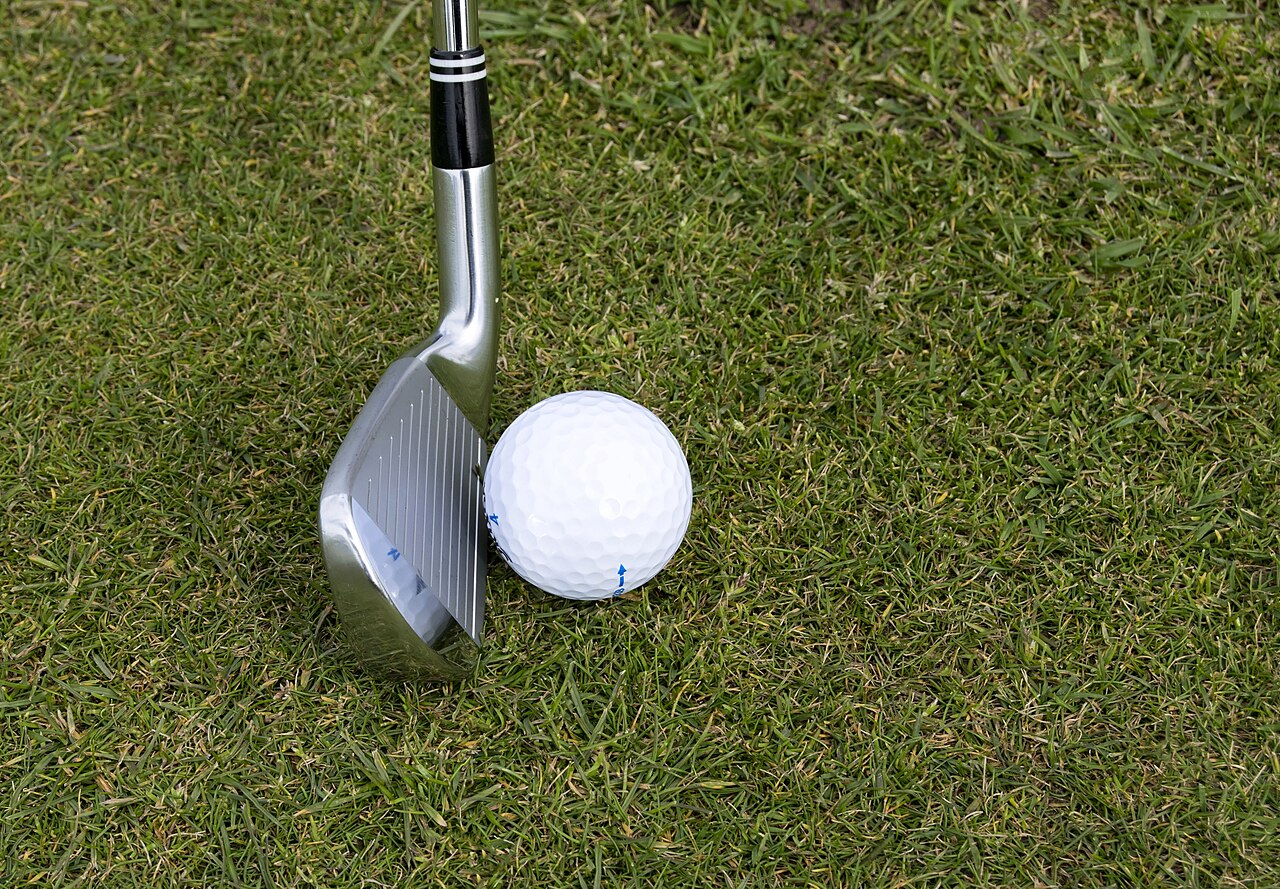
Loft is the angle of the clubface. It helps shape launch conditions, but actual trajectory and carry also depend on delivered loft, speed, strike quality and the ball.
Bounce describes part of the relationship between the sole and the leading edge. It can help the club interact with turf rather than digging excessively. The effective bounce a player experiences is not just a stamped number, however: sole width, face orientation, technique and ground conditions all matter.
Grind refers to shaping and relief on parts of the sole, including the heel, toe and trailing edge. Different grinds can create very different turf interaction even when the loft is identical. Lie angle is another measurement altogether; it must not be confused with loft or bounce.
Why bending loft changes bounce
For a conventional loft adjustment on a head suitable for bending, a useful guide is one additional degree of loft adds approximately one degree of nominal bounce; one degree less loft removes approximately one degree of bounce. Team Titleist staff have explained this same relationship. It does not replace a club builder's assessment of the specific head.
Imagine a 58° wedge bent weaker to 59°: its nominal bounce rises by about 1°. Now imagine a 60° wedge bent stronger to 59°: its nominal bounce falls by about 1°. The finished loft is the same, but the starting geometry and the way the sole behaves need not be the same.
As MyGolfSpy reports, Wyndham Clark has used two Vokey A Grind configurations that both finish at 59°, starting from 58° and 60° heads. That gives him options for different course conditions without abandoning his preferred sole design. A shared loft is not proof of identical bounce or turf performance.
The report also describes Billy Horschel using a 60° V Grind adjusted to 62° to preserve a desired sole design at a different loft. And Justin Thomas has had intermediate playing lofts in his wedge specifications. The number engraved on a head is a starting specification, not necessarily its current measurement.
Check your distances before changing hardware
Carry gaps, not evenly spaced loft stamps, determine whether your wedge set covers the shots you need. Two clubs four degrees apart can still produce an awkward distance gap because swing delivery and strike quality differ.
An independent 18-shot editorial check can help identify a question worth taking to a fitter. On a safe practice range where a launch monitor is permitted, select two neighboring wedges. Alternate small sets until you have nine normal shots with each. Record carry and a simple contact note for every ball, including mishits. Compare typical results and dispersion rather than your longest single strike. This small sample is a diagnostic exercise, not a validated fitting protocol or proof that a bend is required.
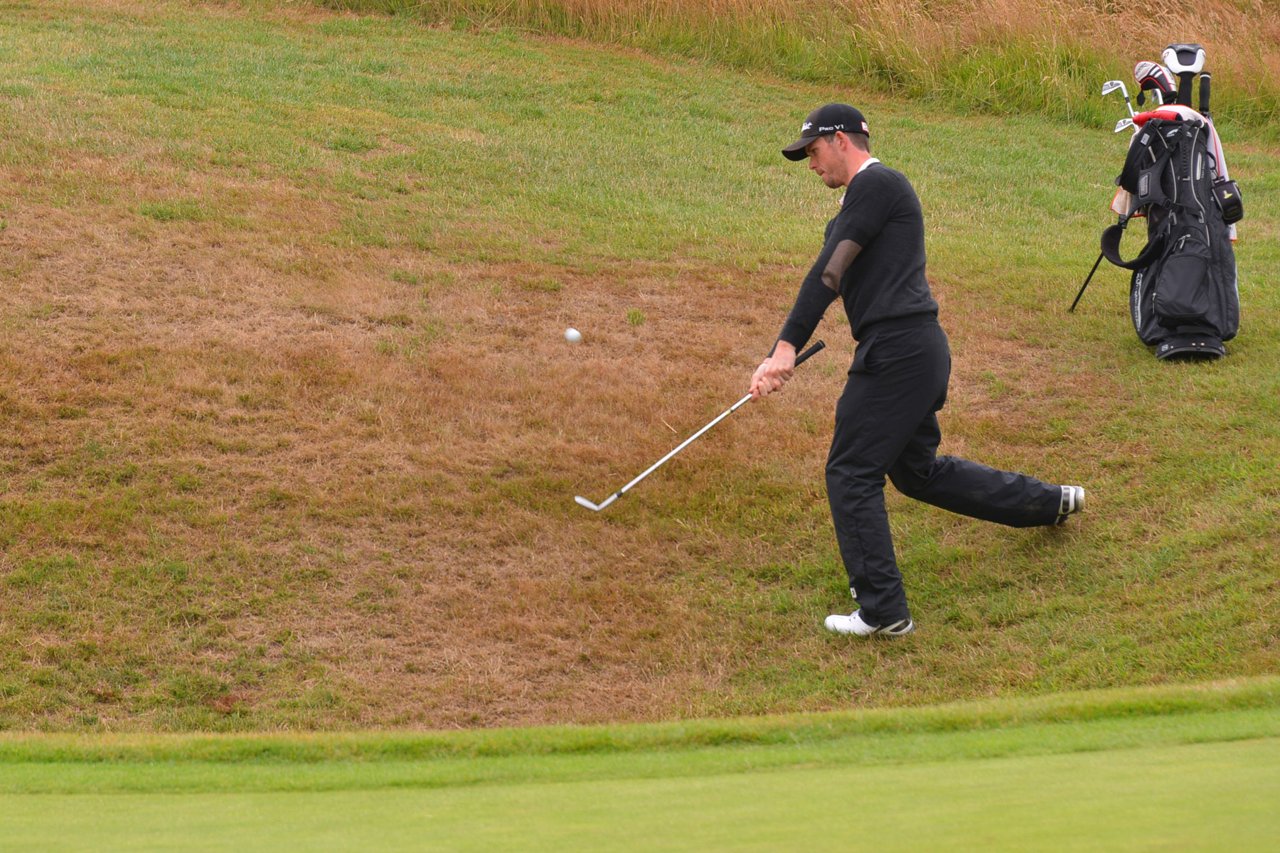
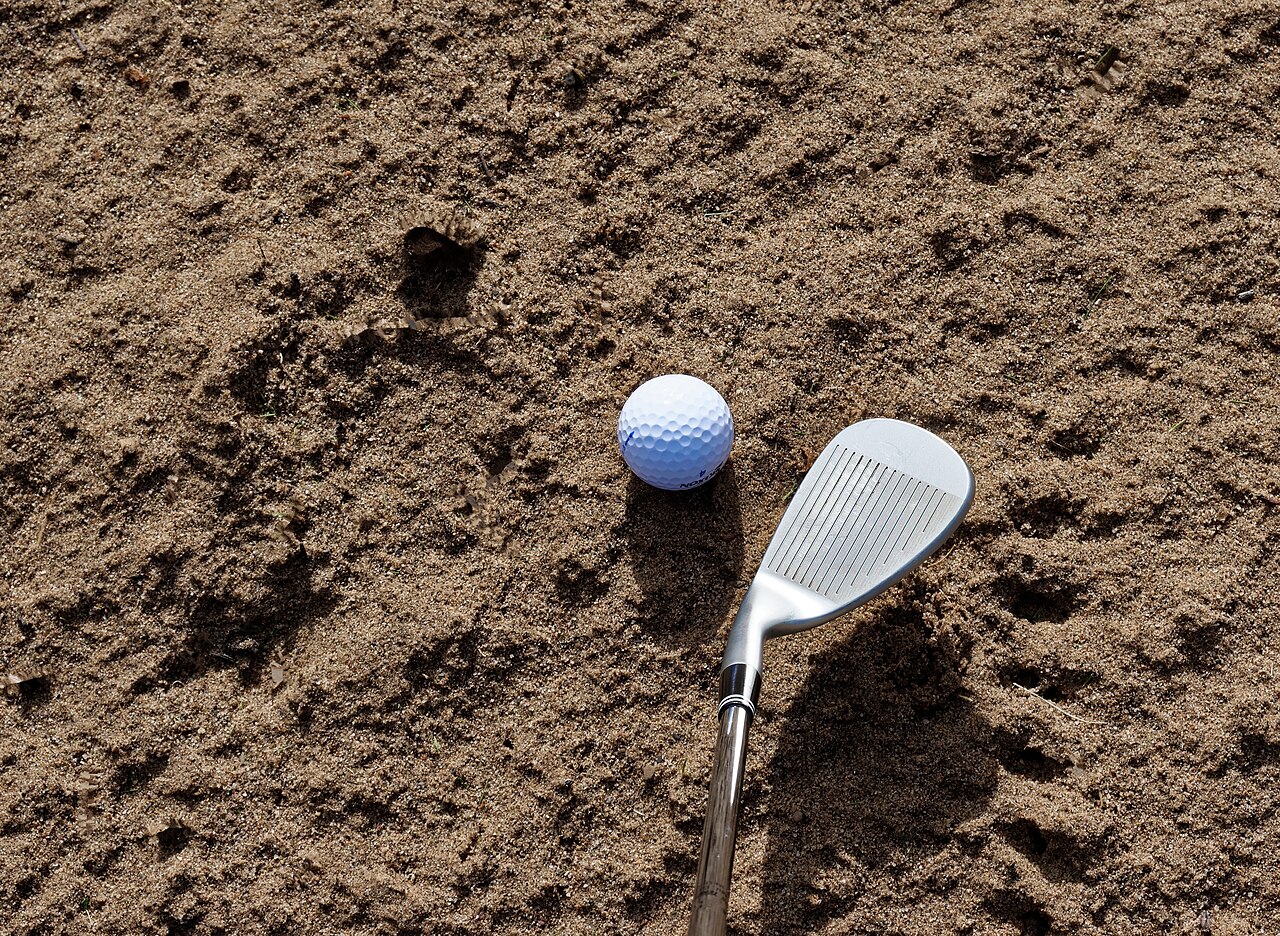
Then observe how each wedge plays from the lies you actually encounter: tight-cut turf, softer ground, rough and bunker sand, when practice facilities and safety rules allow. Does the leading edge tend to dig? Does the sole move predictably? How does opening the face alter the feel? Keep the rest of your technique as consistent as practical so you do not confuse an equipment difference with a new swing.
Know when to visit a fitter
When a repeatable carry gap is genuinely wrong, or a preferred grind is unavailable at the desired stock loft, a qualified club fitter or club builder can measure current loft, bounce and lie angle, inspect the head, and decide whether adjustment is safe and worthwhile. Some heads are not suitable for bending, and an improvised adjustment can damage the hosel.
More bounce is not always better, and lower bounce is not automatically more precise. The useful lesson is to fit both the carry window and the way the sole works for your technique and conditions, rather than copying a PGA Tour player's stamped numbers.
Source: Sean Fairholm, MyGolfSpy, October 27, 2026. The loft–bounce relationship was also checked against Team Titleist staff explanations.