
Juno Beach, Florida, United States — 21 October 2026. Seminole Golf Club is approaching the completion of an ambitious restoration of its Donald Ross layout. In a report published on 21 October, Golf Course Architecture documented the work and included first-hand remarks from club president Jimmy Dunne III. The target date for the full 18-hole reopening is 31 October 2026. As of 25 October, that is a scheduled reopening, not an event that has already happened.
Restoring Ross's strategic intentions
Architects Gil Hanse and Jim Wagner led the restoration with contractor LaBar Golf. Every putting surface has been rebuilt and expanded, bunkers have been reshaped to influence modern landing areas, and portions of the fairways have been subtly recontoured. Archival plans and photographs helped distinguish Ross's original concept from later alterations, notably the greens rebuilt by Dick Wilson in 1957–58. Native dune vegetation is also being restored where more uniform maintained turf had taken over.
Work on the front nine began in spring 2025; those holes reopened in November 2025. Construction on the back nine began on 20 April 2026, with greens established by 16 June and much of the remaining turf in place by late August. The back-nine greens expanded by approximately 15% on average, from 6,261 to 7,205 square feet. Their front-nine counterparts grew by roughly 24%.
Flood resilience as well as architecture
The coastal site presented serious engineering challenges. Crews brought in around 50,000 tons of sand to raise vulnerable areas of the back nine by two to three feet across approximately 29 acres; approximately 17,000 tons had been used on the front nine. The work installed more than 70 miles of drainage piping and added six pumps to 19 already in operation. The bunker programme combined Better Billy Bunker and CapillaryFlow technology, while an upgraded Rain Bird irrigation network increased sprinkler coverage from approximately 900 to 2,200 heads.
Playing strategy is a major part of the outcome. At the 12th, removal of an artificial drainage ditch and revised green angles reward a broader range of approach lines. At the split-fairway par-five 15th, restored bunkering makes the choice between safer and more aggressive routes meaningful once again. Firmness, rollout and the traditional ground game are central to the design brief.
Will visiting golfers be able to book?
No public tee-time inventory is being announced. Seminole remains a private members' club; access is generally restricted to members and their invited guests. Its verified address is 901 Seminole Boulevard, Juno Beach, FL 33408, USA. A further, smaller phase of refinements is planned for summer 2027.
Reporting and verification: Bradley Klein's original 21 October Golf Course Architecture report, with remarks from Seminole leadership; the Donald Ross Society; and the Florida State Golf Association for the official address.
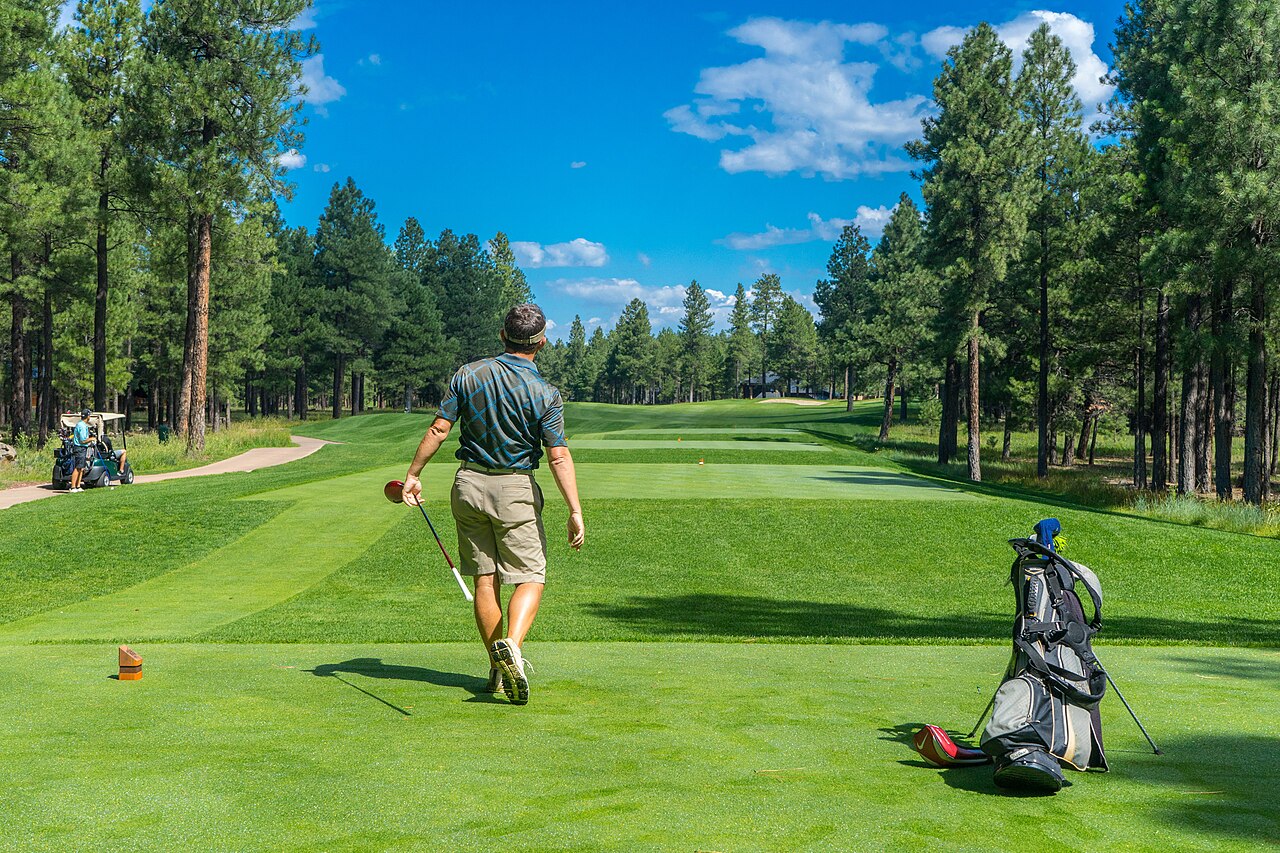
Image note: illustrative archival photo of Pinehurst No. 4 (North Carolina, 2010), not Seminole and not the 2026 restoration. Photograph: Dan Perry, CC BY 2.0 via Wikimedia Commons.
Read more on this topic

Fairfax County rebuilds bunkers at Greendale and Burke Lake while keeping both courses open
Two public golf facilities in northern Virginia are rebuilding selected sand bunkers without fully shutting down. Greendale and Burke Lake remain playable with temporary hole restrictions and reduced green fees.
Why Chasing an Effortless Swing Can Backfire: A 24-Ball Practice Check
After a great round, an easy-feeling swing can become a misleading goal. A teaching professional’s recent observation suggests a better approach: track your routine, strike quality and balance rather than trying to reproduce a sensation.
Driver Speed or Accuracy? A 24-Ball Practice Test for Three Swing Intentions
A small MyGolfSpy test found more carry but wider dispersion with faster drives. Here is a cautious 24-ball self-check for speed, accuracy and playable misses.

Nine imaginary holes: make driving-range practice more like real golf
Turn a range session into nine imagined holes: select specific targets, rotate clubs, follow a pre-shot routine and track outcomes without promising instant improvement.