
America's Best Collegiate Golf Course Returns After High-Profile Renovation: Yale Golf Course Reopens
Following a monumental restoration led by world-renowned golf course architect Gil Hanse, the iconic Yale Golf Course is set to reopen its doors on April 28, 2026, just in time for its centennial celebration. This project has brought the course back to its original 1926 vision, conceived by the legendary Charles Blair Macdonald and Seth Raynor, while simultaneously upgrading it to meet modern championship standards.
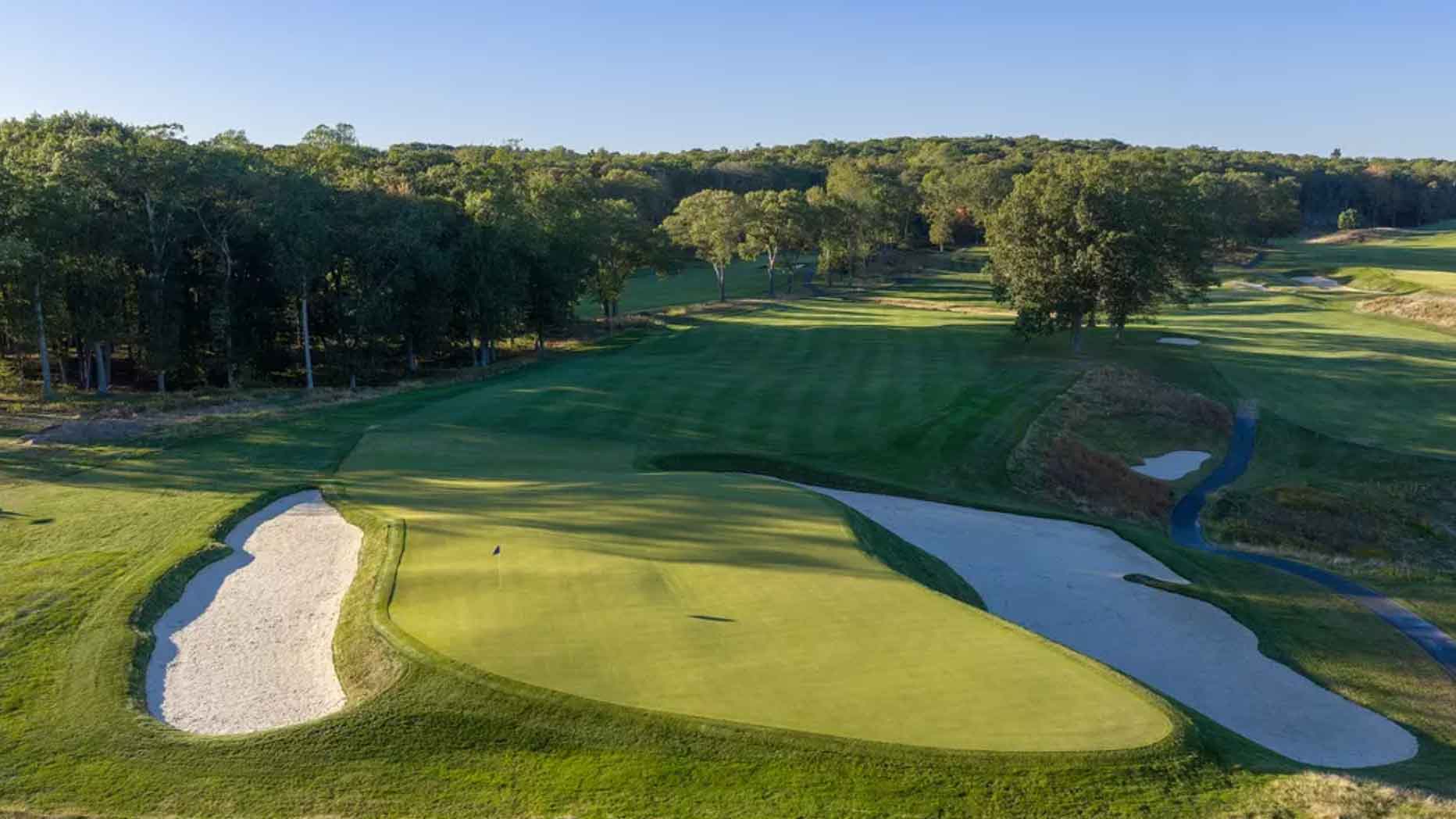
- Among them, Yale Golf Course holds a special place – a jewel of collegiate golf that is preparing to shine again after a grand restoration.
- Established in 1926, the Yale Golf Course was conceived as something extraordinary from the very beginning.
- To preserve its historical value and ensure compliance with modern standards, Yale Golf Course required a comprehensive restoration.
- This is where Gil Hanse stepped in, an architect known for his deep respect for classic designs and his ability to restore their original strategic integrity.
Golf history is rich with legendary courses, each holding its own secrets and legacy. Among them, Yale Golf Course holds a special place – a jewel of collegiate golf that is preparing to shine again after a grand restoration. On April 28, 2026, just ahead of its centennial anniversary, this historic course will reopen its doors to golfers, showcasing the splendor of Charles Blair Macdonald and Seth Raynor's original design, brought to life through the efforts of acclaimed architect Gil Hanse and his team.
Established in 1926, the Yale Golf Course was conceived as something extraordinary from the very beginning. Macdonald himself, hailed as the 'evangelist of golf' in the United States, once declared in his autobiography: 'Today, Yale has a classical course, which is unequaled in comparison with any inland course in this country or Europe.' His ambitions were high, and he, along with his talented protégé Seth Raynor, created a masterpiece that, decades later, continues to inspire and challenge. The course was designed following the principles of classic Scottish golf architecture, including famous template holes such as 'Redan,' 'Biarritz,' and 'Eden,' which demand not only skill but also strategic thinking from players.
However, time and intensive use leave their mark. To preserve its historical value and ensure compliance with modern standards, Yale Golf Course required a comprehensive restoration. This is where Gil Hanse stepped in, an architect known for his deep respect for classic designs and his ability to restore their original strategic integrity. Under his guidance, the restoration project aimed to bring the course back to the exact look and feel it had in 1926.
Hanse's team undertook painstaking work, utilizing an extensive archive of historical materials, plans, and photographs. The goal was not merely an update but a recreation. They meticulously studied every mound, every bunker, every green to accurately reproduce the original contours and playing strategies envisioned by Macdonald and Raynor. This included restoring the greens to their original sizes and shapes, deepening and re-profiling bunkers, and improving drainage and irrigation systems. One of the key decisions was returning to wider fairways and more natural lines, allowing players to choose various routes to the green, as intended during the golden age of golf architecture.
'As we celebrate the 100th anniversary of the Yale Golf Course, this restoration honors both its history and architectural significance while positioning it for the future,' said Victoria M. Chun, Yale's Thomas A. Beckett Director of Athletics. 'This meticulous restoration preserves the strategic brilliance and unique character of the course, making it once again one of the most outstanding golf venues in the world.'
The project was not just a cosmetic overhaul; it was a deep dive into the history and philosophy of golf architecture. Attention was paid to every detail, from turf selection to restoring scenic viewpoints that had been obscured by overgrown vegetation over the decades. The result is a course that is both a tribute to the past and fully prepared for the challenges of the future.
The reopening of Yale Golf Course after its renovation is a significant event not only for Yale University but for the entire golf community. It reaffirms the importance of preserving historic golf courses and demonstrates how modern technology and a profound understanding of classic design can work together to revive masterpieces of the past. Now, golfers from around the world can experience the unique challenges and aesthetic pleasure of playing on a course rightly considered one of America's, and perhaps the world's, best collegiate golf courses.
Read more on this topic


