
What “arm–body connection” actually means
A golfer can sometimes guide the club predominantly with their hands and forearms while the chest stops turning. Yet a bent lead elbow in a photograph is not a diagnosis: some folding after impact is natural, and inconsistent contact has multiple possible causes. The useful idea is to explore whether the arms can travel through the strike while the torso continues turning, without tightening the shoulders or suppressing a normal release.
The instructor and the October 2026 demonstration
On October 24, 2026, PathPal Golf published a demonstration with Stef Ferguson, an LPGA/PGA Class A instructor and the 2024 LPGA Professionals Coach of the Year. Her credentials are separately confirmed by MSU Denver. The demonstration places a soft TrueStrike foam block lightly between the forearms just below the elbows. Gentle pressure provides a temporary movement cue as the golfer makes controlled swings and reaches a balanced finish with the chest turned toward the target. This is professional instruction, not a controlled scientific study. Marketing claims that the aid automatically prevents or cures a particular swing fault should not be read as proven outcomes.
Try the feel without forcing positions
Take a short iron and begin with six slow, ball-free half swings. Let your torso turn toward the target and finish in balance. Next, hold a small, soft foam spacer between your forearms just below the elbows, using only enough pressure to keep it comfortable. Make six more slow practice motions without a ball. Do not pin your elbows to your ribs, lock your arms together, or try to preserve the spacer during an aggressive full-speed swing. If the spacer restricts motion or causes discomfort, remove it. The aim is awareness of coordination, not an artificially rigid arm shape. You can do the entire routine without buying any branded training product.
An editorial 18-shot observation exercise
After a normal warm-up, use one short iron, one target and three groups of six balls. A: Hit six familiar, controlled shots without an aid; record contact, initial direction and finishing balance. B: Rehearse the coordinated turning sensation with the soft spacer, remove it, then hit six ordinary shots with the same easy tempo. C: Hit six more shots without focusing on the new cue, as a comparison with your normal routine. This A–B–C format is a GOLFTWITT self-check, not a scientifically validated intervention. Warm-up effects, fatigue and random variation may influence the comparison.
Record clean contacts out of six, shots starting inside a chosen target corridor, and balanced finishes. Avoid choosing a technique based on one outstanding shot. A movement can feel smoother while delivering worse strike or direction; the observable outcome matters more than a fashionable swing cue. If filming, use a secure camera position and compare views from face-on and down-the-line rather than diagnosing the swing from a single frame or camera angle.
Limits and sensible follow-up
A delayed chest turn is not the only explanation for a lead elbow that folds outward. Different body structures, shot demands and swing patterns call for different solutions. Excessive efforts to rotate can undermine balance or aggravate discomfort. Stop when pain occurs and consult a qualified professional if necessary. For persistent problems, a coach can distinguish setup, strike, body mobility and club-delivery issues. Neither the product nor this short practice test guarantees longer shots, lower scores or a fixed “chicken wing”.
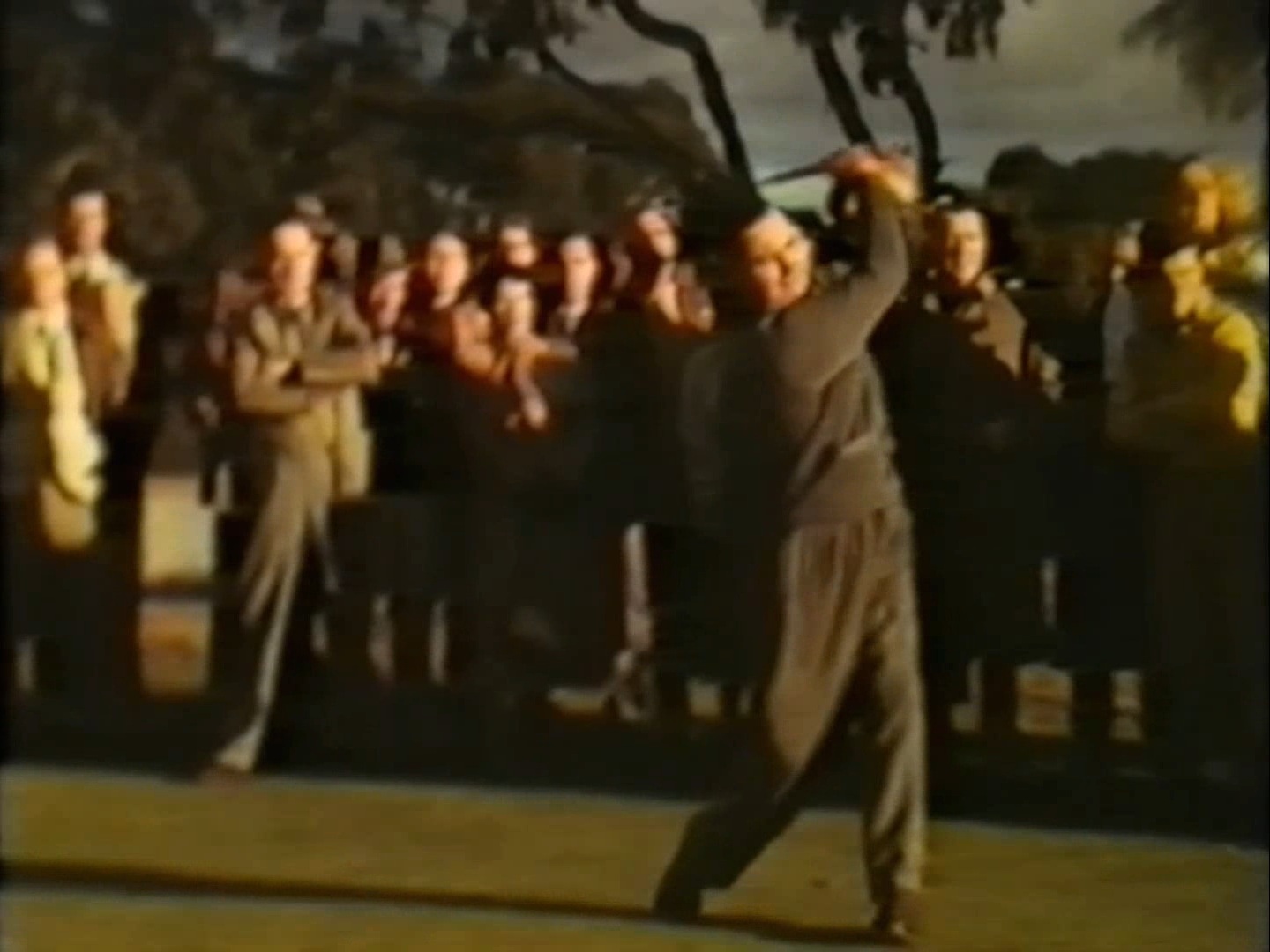
Original teaching source: Steve / PathPal Golf, October 24, 2026: https://pathpalgolf.com/blogs/golf-swing-tips/the-truestrike-forearm-connection-drill. Instructor credential confirmation: MSU Denver, October 1, 2024: https://roadrunnersathletics.com/news/2024/10/1/womens-golf-msudenverwgolf-ferguson-named-coach-of-the-year-by-lpga-professionals.aspx. Illustrative photo: Courtney Prather, “Swing 1” (2017), Wikimedia Commons, CC0 1.0: https://commons.wikimedia.org/wiki/File:Swing_1_(Unsplash).jpg. The pictured golfer is not Stef Ferguson and the photo does not depict this drill.
Read more on this topic
Why Chasing an Effortless Swing Can Backfire: A 24-Ball Practice Check
After a great round, an easy-feeling swing can become a misleading goal. A teaching professional’s recent observation suggests a better approach: track your routine, strike quality and balance rather than trying to reproduce a sensation.

Why Does Your Driver Keep Breaking Tees? Five Causes and an 18-Ball Test
A broken tee cannot diagnose your driver swing. Check tee height, strike location, turf and delivery with a cautious 18-ball A–B–A comparison.

Where should a chip land? A 24-shot practice test for your short game
Successful chipping involves choosing a landing spot as well as a final target. We examine a 23 October MyGolfSpy practice idea and offer a measurable, safety-conscious 24-shot self-test.
Can physical training add golf distance? What 33 studies actually found
A meta-analysis of 33 studies involving 798 golfers assessed how physical training affects club speed and distance. Here is what the averages mean, what remains uncertain and how to track your own progress.