The clue beneath McIlroy's right arm
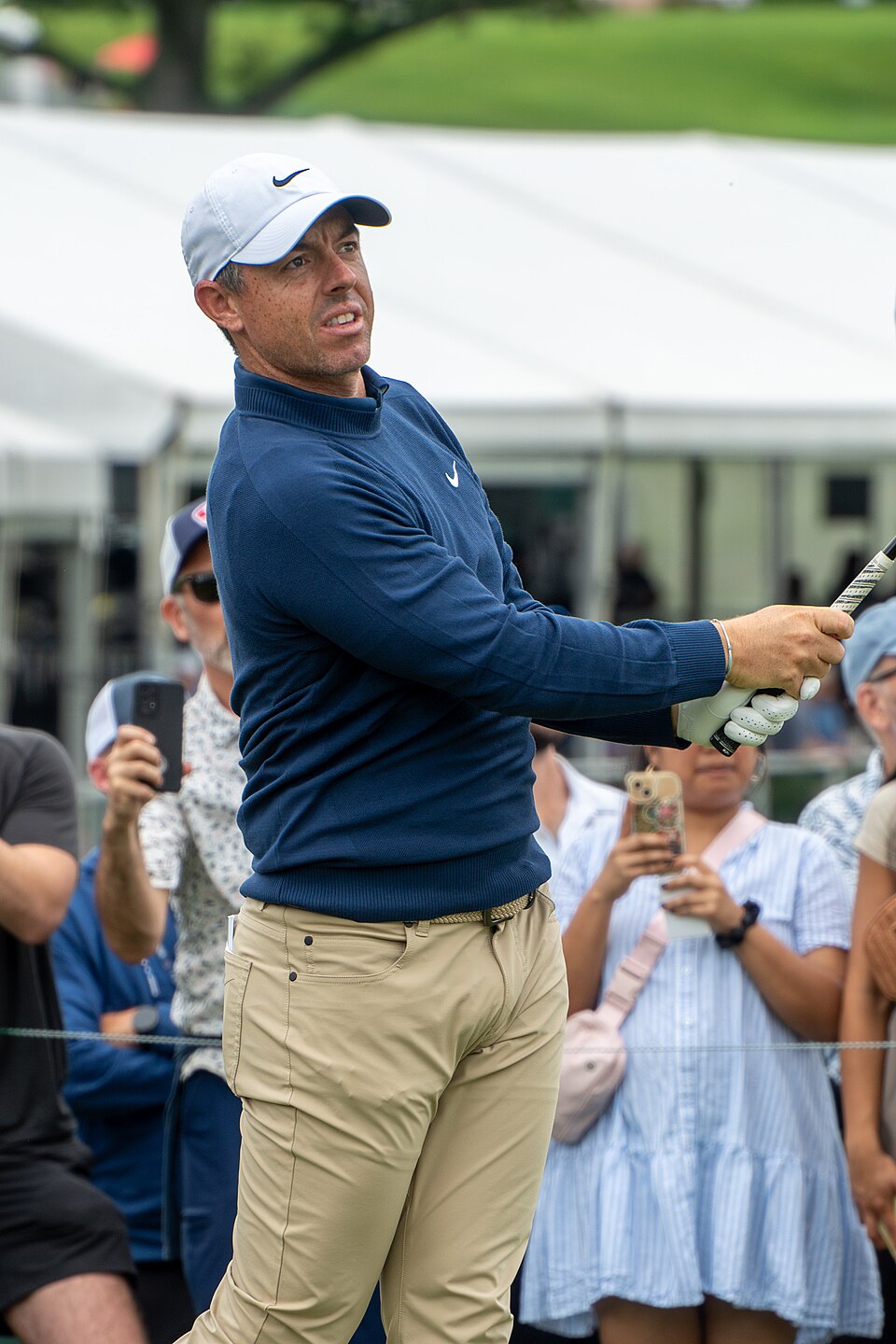
Ahead of the Abu Dhabi Aldar Championship at Yas Links, Rory McIlroy practised wedge shots on the range with a club headcover tucked beneath his right armpit. Dutch outlet GOLF.NL highlighted the sequence on 4 November 2026, referencing footage shared by the DP World Tour.
For a right-handed player, the right arm is the trail arm. The aid provides tactile feedback on how that upper arm works with the turning chest during a compact swing. It does not lock the elbow to the ribs or prove that a particular body position is universally correct.
What a qualified instructor says
Coach Tyler Ferrell teaches a related trail-arm connection exercise. He advises placing a soft glove or small aid high in the trail armpit and slightly toward the front of the chest. The emphasis is light contact rather than gripping the aid hard or trapping the elbow against the player's side. The forearms must still move and the club must still release naturally.
That is a meaningful distinction from drills using an object between the forearms or beneath the lead arm. Those exercises have different feedback points. McIlroy's range sequence highlights a trail-arm cue for controlled wedge swings, not an instruction to make full-speed drives with a fixed elbow.
A short practice sequence
1. Prepare. Take a wedge, a small soft headcover or folded glove, and one reachable target. Start in your normal address position. Hold the aid beneath the trail armpit with gentle contact.
2. Rehearse. Make six slow half-swings without a ball. Let the chest help initiate the backswing while the arms remain free rather than rigid.
3. Hit short shots. Play six comfortable wedge shots toward the same target. Notice strike quality, starting direction and balance. Do not contort the swing merely to prevent the cover from falling.
4. Remove the cue. Hit another six shots without the object and compare the feel and contact. This sequence is an editorial self-check, not a clinical test or a proven prescription for a lower score.
What to avoid
Do not pin the trail elbow hard against the ribs, freeze forearm rotation or jump straight to an unrestricted full swing. On longer swings the trail-arm relationship changes, so an aid dropping is not automatically a fault. Stop if it causes discomfort. The value of the drill lies in useful feedback and a freer, repeatable motion—not a promised gain in speed or accuracy.