Why a faster swing does not cure every thin shot
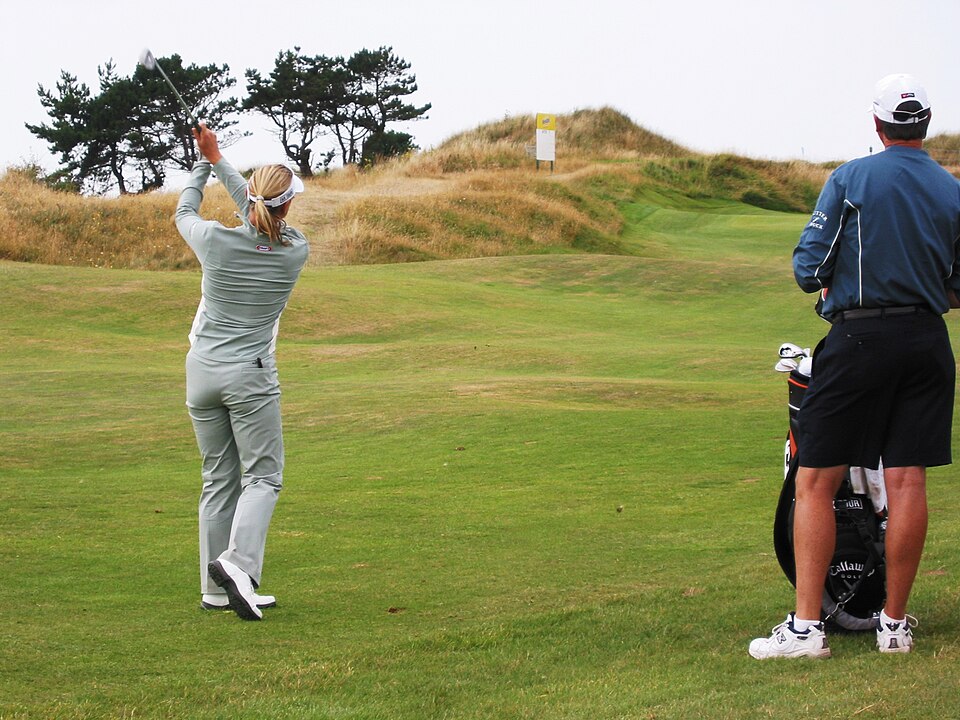
A thin iron strike occurs when the club meets the ball too high relative to its centre. The result may be low and inconsistent. Body height, arm movement and the bottom of the swing arc can all be involved; adding speed is not necessarily the solution.
On 3 November 2026, MyGolfSpy published a practical look at an exercise by professional coach Kerrod Gray. Writer and former teaching professional Brittany Olizarowicz highlighted the value of rehearsing a move towards the lead side during the transition from backswing to downswing.
Rehearsing the move
Gray holds an alignment stick in both hands in front of his body rather than swinging an iron. After a relaxed backswing, he feels his lead shoulder move down and towards the lead foot as the downswing begins. The body then opens towards the target, finishing tall and balanced. For a right-handed golfer, the lead foot is the left; for a left-hander, it is the right.
The original demonstration brings the rod towards the turf. Never throw a pointed rod or force it into the ground near yourself or anyone else. A safer solo variation is to use a soft tip, maintain your grip and rehearse slowly without touching the ground. This is a motion rehearsal, not an actual stroke and not a cue to force the shoulder vertically over the foot in every swing.
Why low point matters
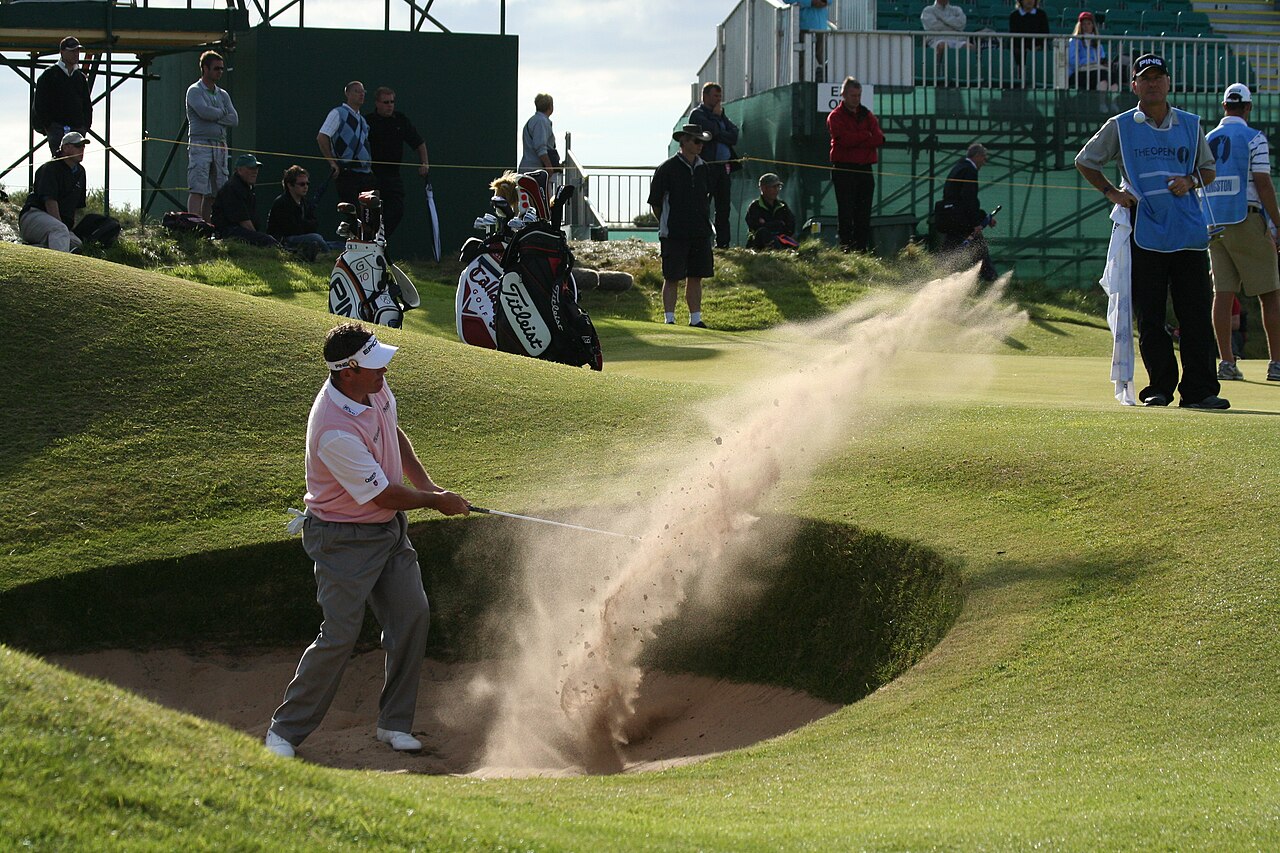
Low point is the bottom of the clubhead's arc. For a conventional iron shot off grass it normally lies target-side of the ball: ball first, turf second. Trackman distinguishes the location of the low point from attack angle, the vertical direction of the clubhead at impact. The two measures are related but not interchangeable.
Moving pressure into the lead side may help control the bottom of the arc. Lunging excessively towards the target or deliberately digging steeply into the ground is not the objective. What works will vary with the player and shot.
A measured practice check
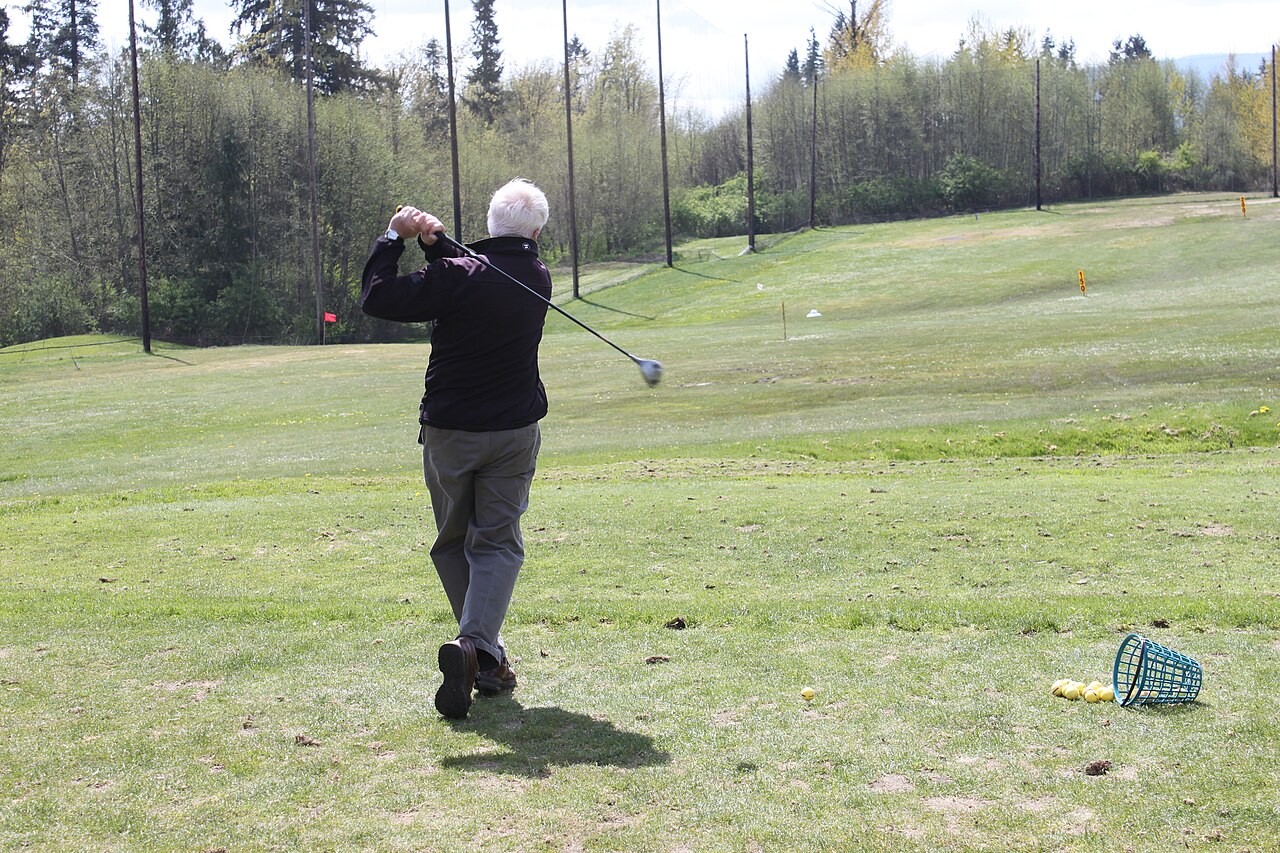
Make three slow rehearsals without a ball, followed by six ordinary iron shots to a short target. Record the feel of impact, your finishing balance and, on natural turf, where the club brushes the grass in relation to the ball's original position. Never leave an alignment stick in the hitting area.
Compare with six shots made without a rehearsal. This is an editorial practice suggestion, not the result of a published controlled trial. Mats can mask ground-contact errors. The exercise does not guarantee longer shots; stop if it causes discomfort or poorer contact and consult a qualified coach.
Sources: MyGolfSpy, 3 November 2026; Kerrod Gray's video demonstration linked from the article; Trackman's low-point and attack-angle definitions.