
The research question
A team led by Yuanshuo Tan investigated whether a single wrist-worn inertial measurement unit (IMU) could estimate movement of the whole body during a golf swing. Their experimental model, WIT-KinNet, is described in a 22 June 2026 preprint. It is not a claim that ordinary retail smartwatches provide clinically or scientifically validated full-body motion analysis.
What the researchers measured
36 golfers, ranging from beginners to skilled players, performed full, half and quarter swings using seven clubs: driver, 3-wood, 5-hybrid, 5-iron, 7-iron, 9-iron and sand wedge. Wrist IMU data were synchronised with optical motion capture used as the joint-angle reference. Subject-wise cross-validation tested the model on players held out of the corresponding training set.
The important numbers
The reported mean absolute error was 8.11 ± 1.84 degrees across full-body joint angles. Temporal correlations with optical reference signals were r = 0.98 for pelvic rotation and r = 0.97 for upper-torso rotation. X-factor and S-factor correlations were both r = 0.96. Correlation describes how well changes track over time; it does not make every estimated angle exact. Several degrees may matter for fine-grained coaching decisions. Accuracy was also affected by swing amplitude, skill level and club type (p < 0.05).
How to interpret this for lessons
The experiment suggests future opportunities for convenient swing analysis, but GPS yardages, heart-rate readings or the mere presence of an accelerometer do not establish that a particular smartwatch can reconstruct pelvis or torso angles. Its sensor and algorithm would need specific validation. This work did not show improved scores, increased driving distance or injury prevention. Motion estimates should be considered alongside impact location, clubface, ball flight, intent and individual mobility.
Original GOLFTWITT practice: an 18-shot log
This is our editorial exercise, not the study protocol. On a safe range choose one target, then hit six shots each with a familiar short club, a mid-iron and a driver. Note the club, initial ball direction, apparent strike quality and any conspicuous loss of balance. Optionally film two shots with each club from a consistent safe position, never in a potential ball path. Compare repeated patterns rather than claiming smartphone video gives precise joint angles. Avoid changing several technical features at once and stop if anything hurts. Review several sessions with a qualified coach. Results are not guaranteed.
Research: Tan Y. et al., Full-Body Golf Swing Kinematic Reconstruction From a Smartwatch IMU, arXiv:2606.22876, 22 June 2026, https://arxiv.org/abs/2606.22876. Preprint; conclusions remain preliminary.
Read more on this topic
There Is No One-Size-Fits-All 'Women's Swing': Lessons From 6 Golfers and 9 Coaches
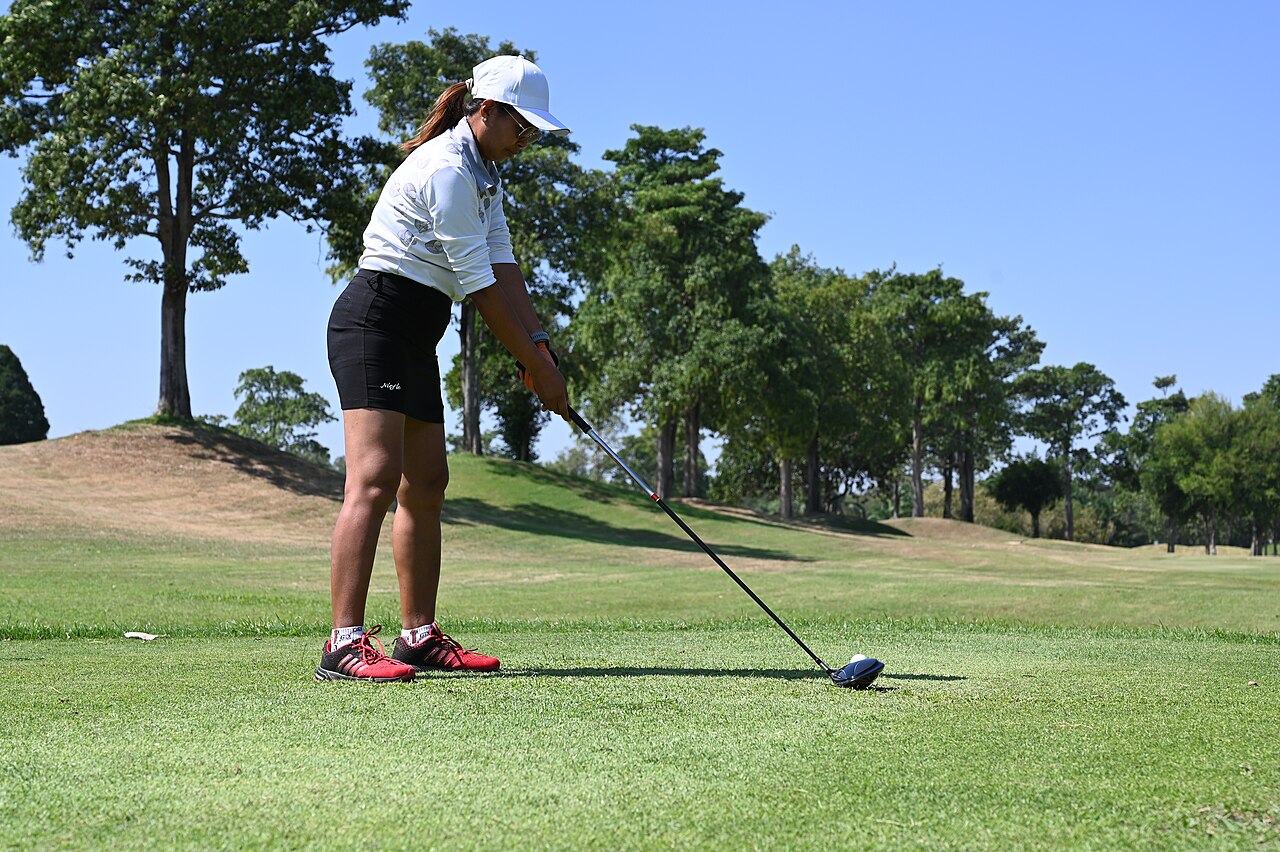
A 2026 qualitative study interviewed 6 women golfers and 9 coaches about individualized technique, equipment and learning. What it means for lessons and club fitting, plus a clearly labeled editorial 24-shot check.

The timing of ground force: TPI's Pelvic Punch drill and a 24-shot practice check
TPI explains why the timing of force against the ground matters as much as its magnitude. Dr Greg Rose's Pelvic Punch exercise, its limits, and an original 24-shot practice check.
Do High-MOI Drivers Really Help Poor Ball-Strikers More? What 99 Testers Reveal
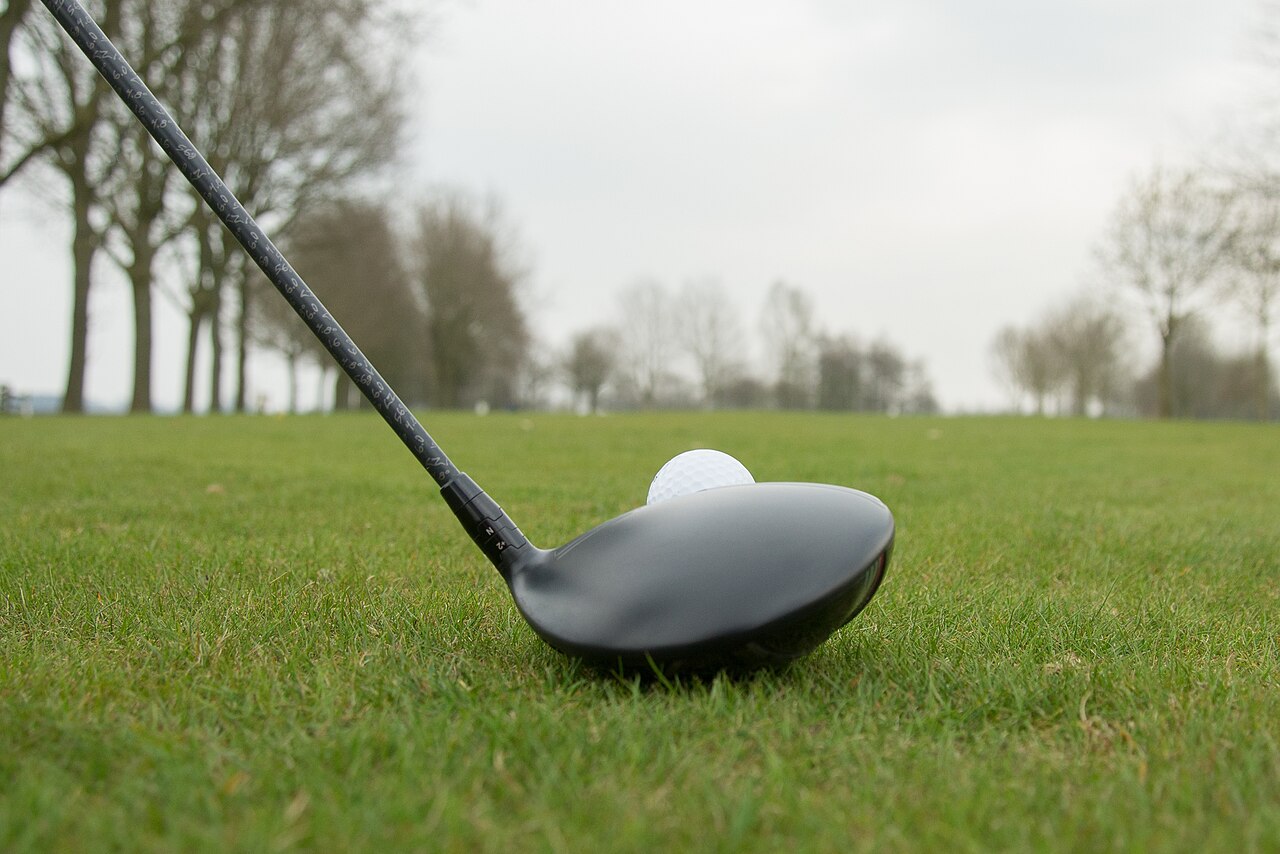
A seven-year MyGolfSpy analysis of 99 testers found no special extra carry benefit for frequent mishitters, but about 6% tighter carry spread from more forgiving drivers. Here is how to interpret and test that.
Two ways to hit a flop shot: Debbie Doniger's coaching keys and a 24-ball practice
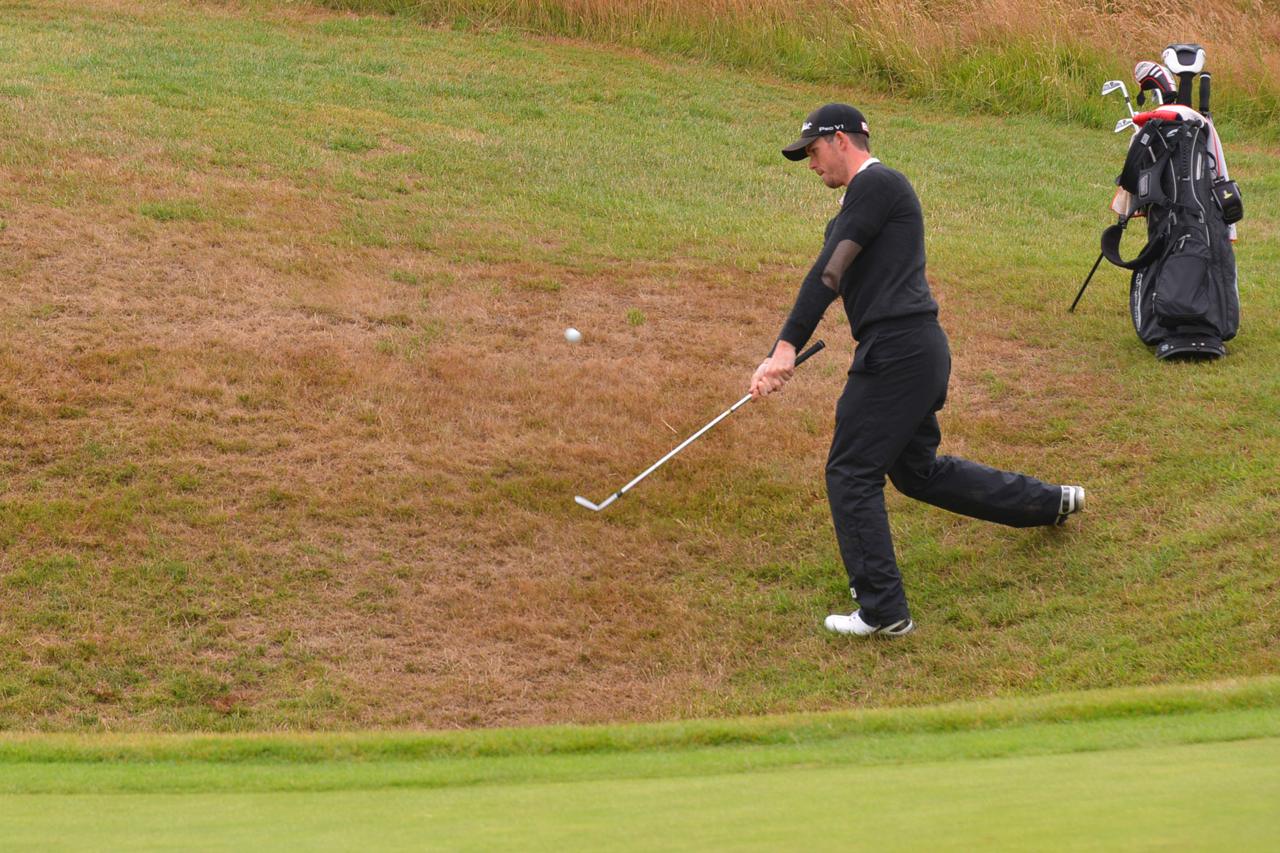
A high, soft-landing flop shot can help when the flag is short-sided—but the safer option may be a chip. Explore Debbie Doniger's two setups, when to avoid the shot, and a measured 24-ball practice.