Ticino, Switzerland. In an article dated 29 October 2026, Swiss Golf set out how Golf Gerre Losone is using TurfRad to monitor soil moisture during routine fairway mowing. Rather than deploying a separate surveying vehicle, the club has added sensors to maintenance equipment that already moves regularly across the playing surfaces. The stated ambition is to reduce water consumption by 20–30%; that figure is a target, not a measured outcome.
Three sensors, ten hectares and GPS maps
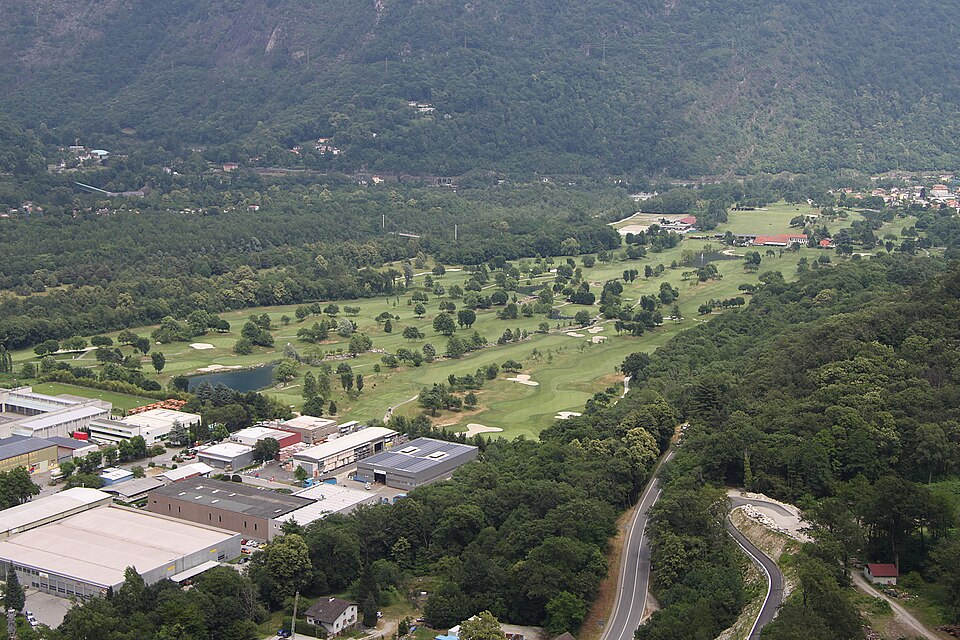
Golf Gerre Losone is an 18-hole course in Losone, near Lake Maggiore in Switzerland's Italian-speaking canton of Ticino. TurfRad was developed by Zurich-based TerraRad Tech AG. According to the national federation, three sensors have been mounted on fairway mowers. During ordinary mowing operations they record soil-moisture data across approximately ten hectares of fairways, producing three complete measurement cycles each week.
The readings are linked to GPS positions and converted into moisture maps. Course staff can then distinguish areas that have sufficient moisture from sections under drought stress. This provides a basis for varying irrigation by location instead of treating every stretch of fairway alike.
An irrigation objective, not a proven saving
Course manager Marco Nembrini told Swiss Golf that fairways differ in their soil and moisture needs. Repeated readings should help the greenkeeping team direct water to the places that need it and respond earlier when turf shows signs of stress. The accumulating measurements may also make it possible to compare conditions across seasons and improve consistency in the playing surfaces.
The club aims to cut water consumption by 20 to 30 percent without compromising turf standards. Yet the published evidence does not include a verified post-installation reduction over a complete season, a comparison with an established water-use baseline or an audited cost saving. It would therefore be misleading to report that the technology has already delivered a 30% reduction.
Why the dates matter
Swiss Golf's detailed German-language report appeared on 29 October, but the underlying adoption was not announced for the first time that day. The club had already described its deployment on 10 July 2026. The later federation report expands on how the installation works, its measurement frequency and the intended benefits, rather than documenting a newly commissioned system in late October.
The case is relevant beyond Ticino because it illustrates how a golf course can combine routine maintenance and repeated, location-specific measurements. The GEO Foundation for Sustainable Golf separately highlights Golf Gerre Losone's data-led approach to irrigation and soil-water monitoring.
Sources and image
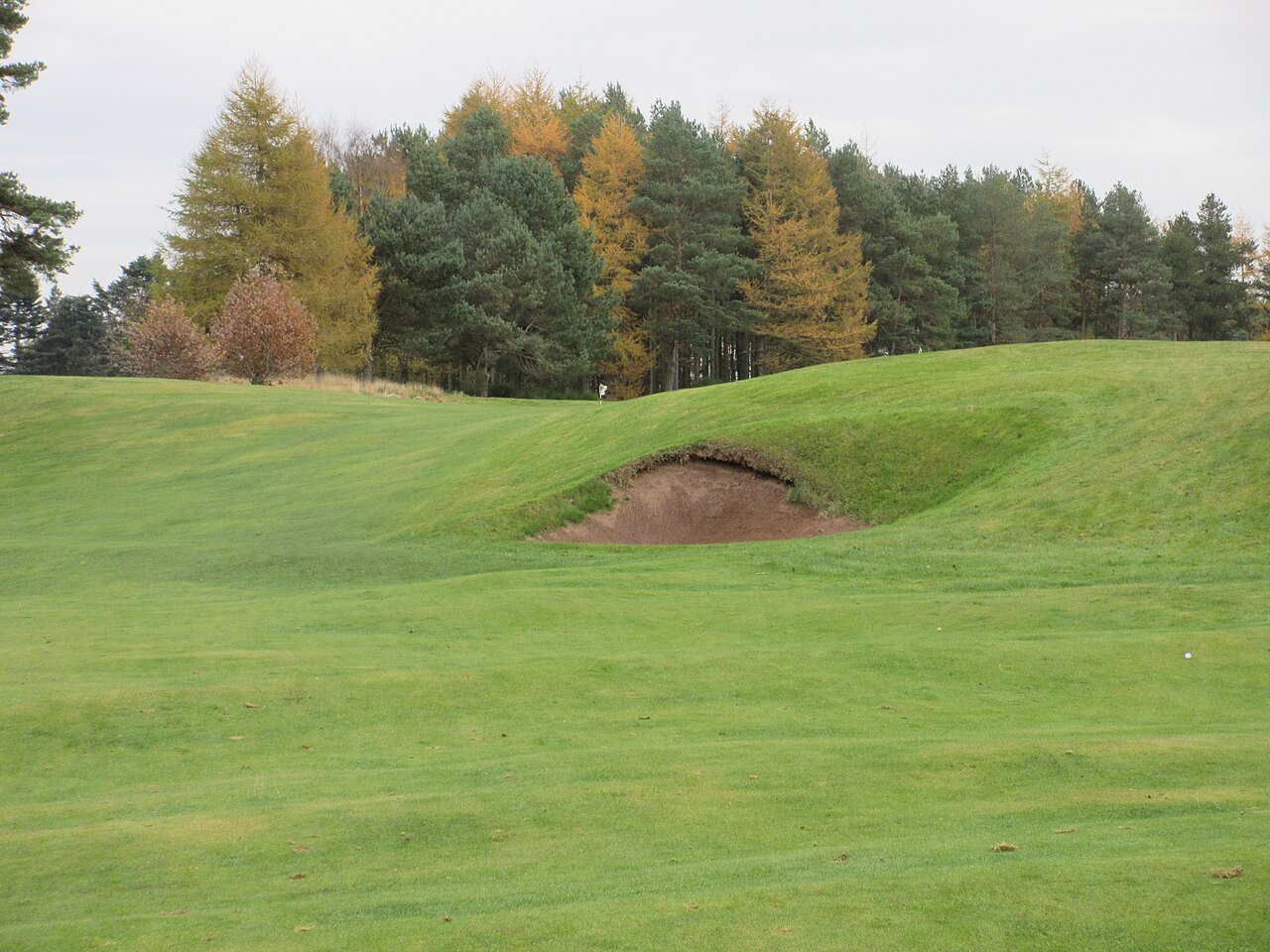
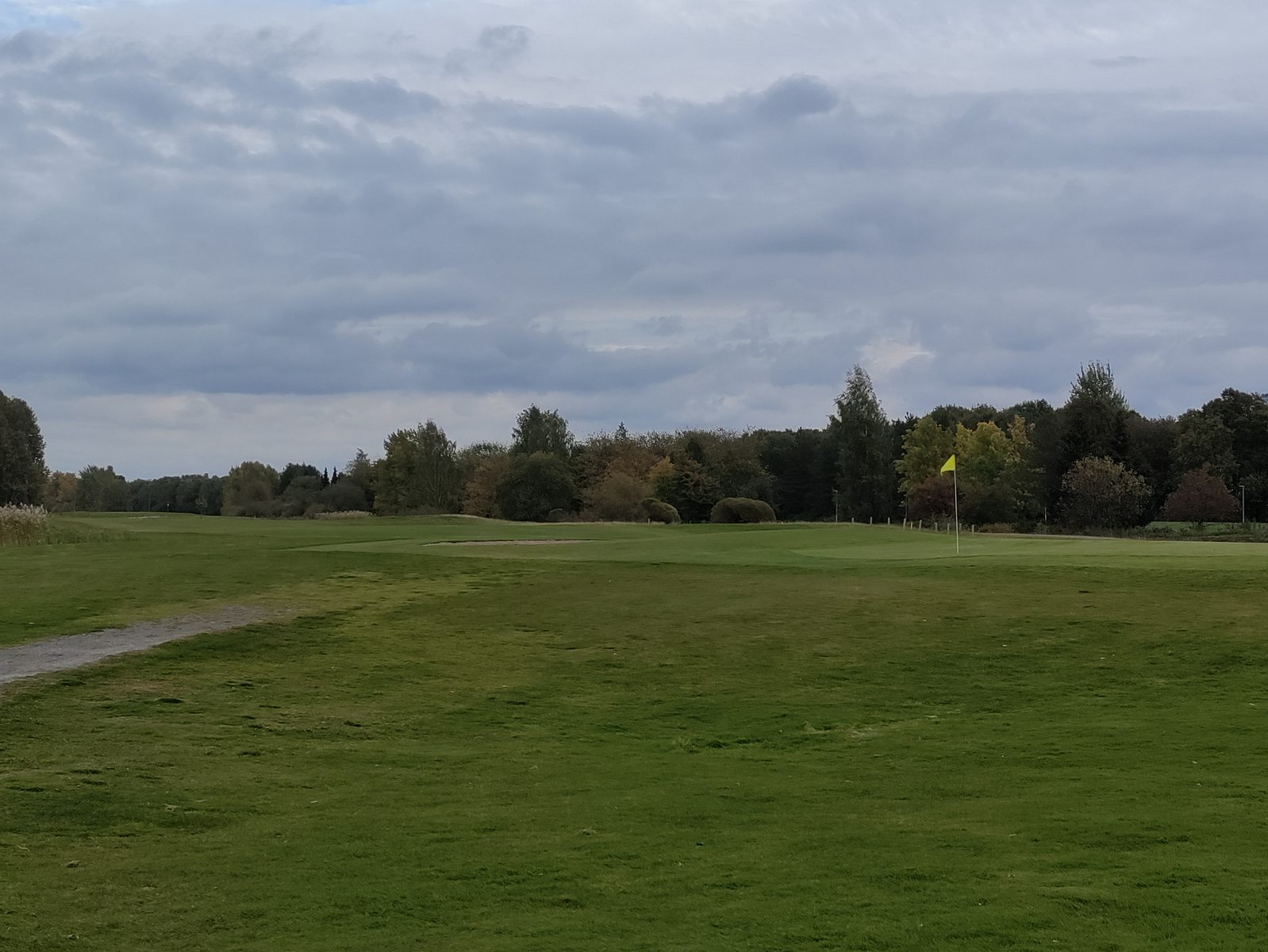
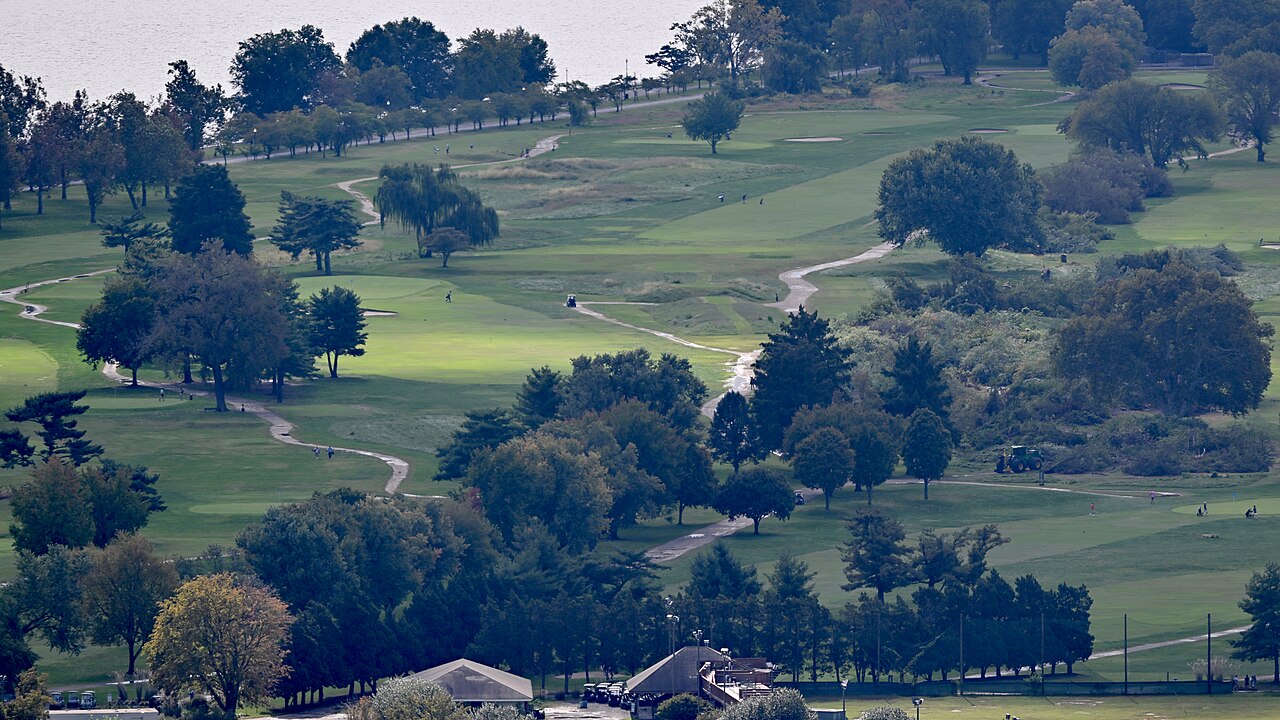
The technical details were checked against Swiss Golf, the club's July announcement and GEO Foundation's account. The accompanying licensed archival photograph depicts the actual course in June 2015, not the 2026 TurfRad equipment. No unsupported claims about realised savings or financial returns have been added.