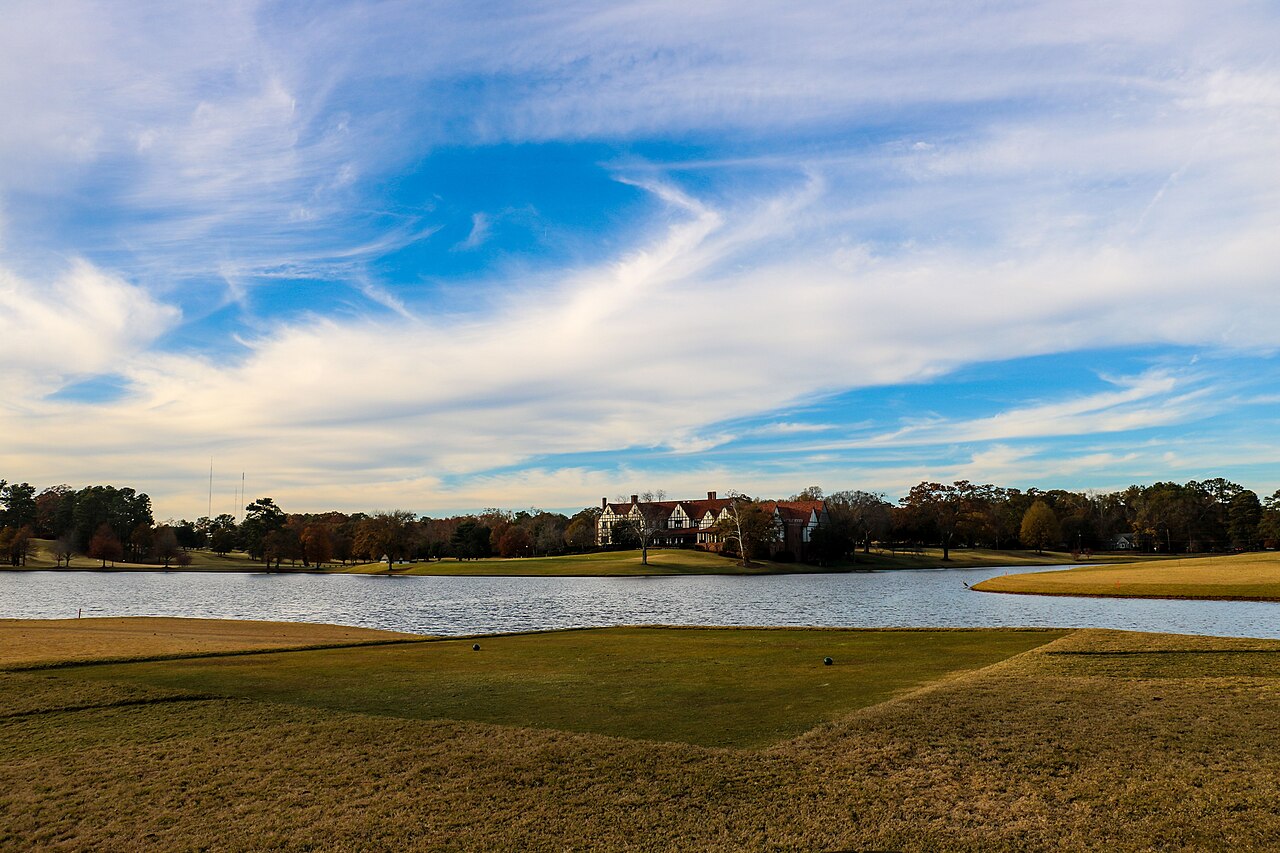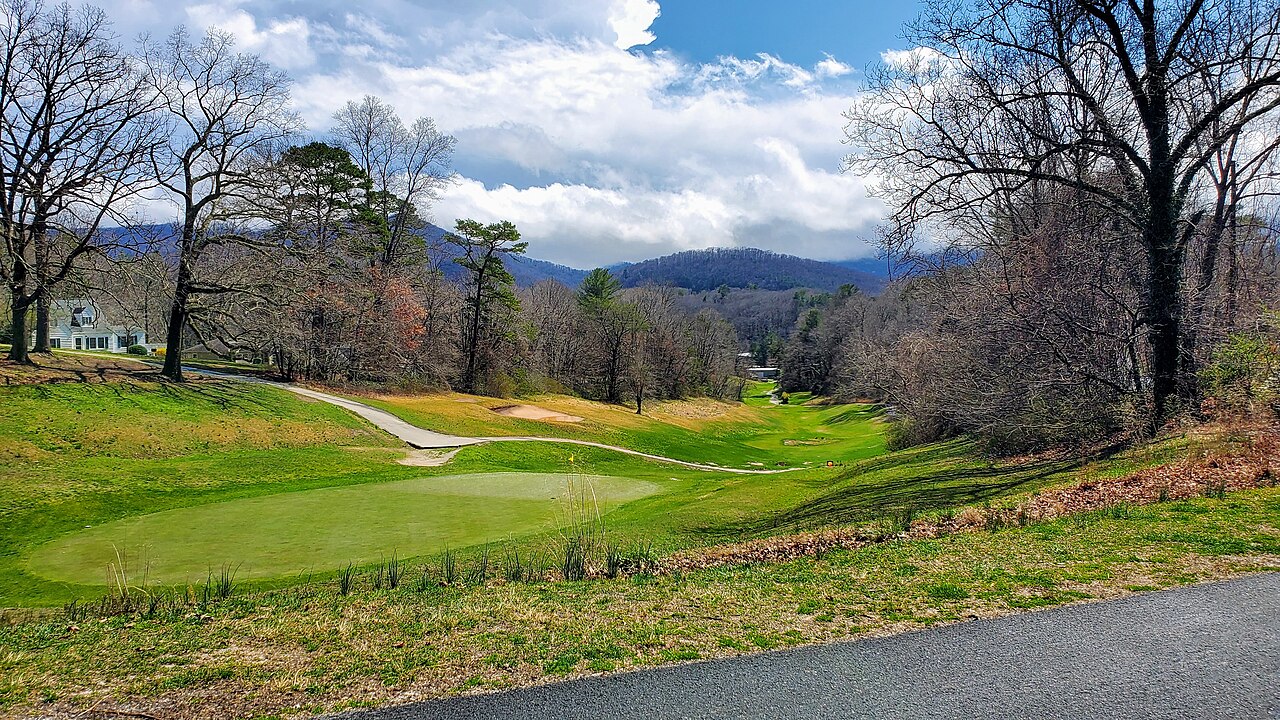
Asheville Municipal Golf Course in North Carolina has earned Audubon International Cooperative Sanctuary certification. The City of Asheville and course operator Commonwealth Golf Partners announced the designation on October 28, 2026. The recognition follows 18 months of changes to how the historic public course manages water, turf and natural habitat.
Cutting water use in half
According to the city, the management team has reduced annual water consumption by 50% by using in-ground soil-moisture sensors. These allow staff to monitor conditions on individual parts of the course and apply irrigation where it is needed rather than relying on a uniform watering schedule. The percentage is the operator's reported result for Asheville, not a promise that other courses can achieve the same savings.
The turf-management programme also changed in 2025. Regular soil tests and weather forecasts, used to estimate nitrogen release from the soil, now guide fertilizer applications. City officials report that the approach has lowered fertilizer requirements by nearly 20%. Removing invasive species and reintroducing native plants have become further priorities for the grounds team.
Pollinator habitat alongside the golf holes
Some 1.5 acres are involved in native-plant projects. A pollinator garden and information kiosk are located above the 11th green, along Fairway Drive, while another planting area lies in the woods between the 13th and 14th holes. The city recognized Beverly Hills neighbourhood volunteers and Friends of Asheville Muni for supporting the work and raising funds. It reported more than $29,000 in grant support and separately noted a $19,000 funding commitment from the Fairways Foundation.
Community members also joined Audubon International BioBlitz wildlife-counting events over the past two summers. The certification, however, reflects measurable course-management actions as well as public participation, rather than species counting alone.
Environmental progress does not mean all 18 holes are open
The course is at 226 Fairway Drive, Asheville, North Carolina. Designed by Donald Ross and opened in 1927, it is listed on the US National Register of Historic Places. Its conservation achievement comes against the backdrop of a much harder restoration project.
Flooding caused by Hurricane Helene in September 2024 devastated the front nine. The club's own website states that only the back nine currently remains available for conventional golf, while the damaged front-nine land is being used temporarily for disc golf pending restoration. The certification announcement did not provide a reopening date for the front nine, so golfers should check current tee-time availability before travelling.
Asheville's announcement illustrates how a public historic course can reduce resource use and create habitat while continuing to work towards recovery from a destructive storm.