
Accidentally Improved Your Lie While Identifying Your Ball? Understanding Golf Rules
What to do if you accidentally improve your lie while identifying your ball in thick grass? We analyze the nuances of the Rules of Golf and how to avoid a penalty.
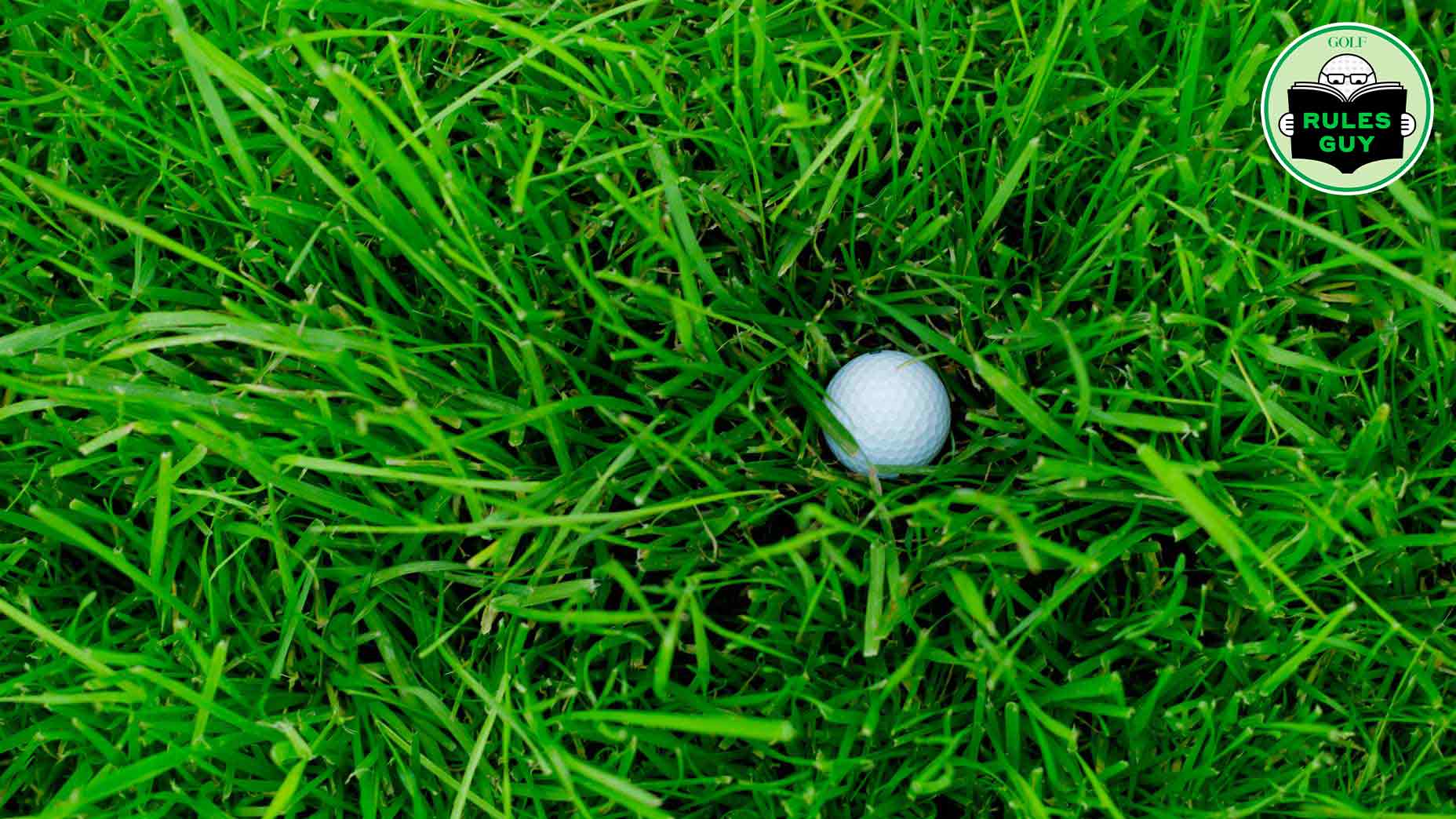
- Searching and Identifying Your Ball: What is Permitted?
- If, during the search, the ball is accidentally moved, Rule 7.4 states that there will be no penalty, provided the ball is replaced on its original spot.
- According to Rule 8.1a Actions That Improve Conditions Affecting the Stroke , a player must not take actions to improve: The position of their ball at rest.
- If a player breaches this Rule, they incur the General Penalty two penalty strokes in stroke play or loss of hole in match play .
Every golfer has faced a situation where their ball landed in a difficult spot after a shot – deep rough, under a bush, or amidst fallen leaves. In such moments, there's a natural desire to find your ball and confirm it's yours, not someone else's. However, during the process of searching and identifying the ball, there's often a risk of inadvertently improving its lie (the position of the ball), which, according to the Rules of Golf, can lead to a penalty. Let's delve into this nuance in detail.
The Fundamental Rule: Play the Ball as It Lies
The fundamental principle of golf, enshrined in Rule 1.2, states: "Play the ball as it lies and play the course as you find it." This means that a golfer must accept the ball's position and surrounding conditions as they are, without making any changes that could give them an advantage. A breach of this principle often results in penalties.
Searching and Identifying Your Ball: What is Permitted?
Rule 7.1a governs actions related to finding a ball. A player is allowed to take reasonable actions to find their ball. This includes:
- Moving sand, loose soil, or other loose impediments.
- Carefully moving grass, reeds, weeds, and similar natural objects.
- Slightly bending or pushing down grass or branches to see the ball.
The sole purpose of these actions is to find and identify the ball. If, during the search, the ball is accidentally moved, Rule 7.4 states that there will be no penalty, provided the ball is replaced on its original spot.
When Does Accidental Lie Improvement Become a Problem?
The critical point arises when a player's actions, aimed at identifying the ball, lead to an improvement of the conditions affecting the stroke. This can happen if you don't just slightly move grass aside but press it down, creating a flatter surface under or around your ball, or significantly reducing the obstruction for your swing.
According to Rule 8.1a (Actions That Improve Conditions Affecting the Stroke), a player must not take actions to improve:
- The position of their ball at rest.
- The area of their intended stance or swing.
- Their line of play.
- The area where the player will stand.
- The area from which a ball is to be dropped or placed.
If a player breaches this Rule, they incur the General Penalty (two penalty strokes in stroke play or loss of hole in match play). It does not matter whether the improvement was intentional or accidental. The important factor is the improvement itself, which provides a potential advantage.
Practical Example:
Imagine your ball lies in very thick, high rough. You start to clear away the grass around it to see the markings. In the process, you press the grass down too much, and it remains flattened, creating a "platform" for your ball or significantly reducing the obstruction for your swing. This is considered an improvement of the lie.
How to Avoid a Penalty When Identifying Your Ball?
To avoid a penalty, follow these recommendations:
- Mark and Lift: If there's any doubt about identification, first mark the ball's position. Then, you can lift it, clean it of dirt for identification, and replace it. Lifting the ball for identification, according to Rule 7.2, does not incur a penalty and allows you to examine the ball from all sides without affecting its lie.
- Minimal Interference: If you choose not to lift the ball, try to interfere with the surrounding environment minimally. Use the tip of your club or your fingers to carefully move grass, just enough to see the marking, and no more. Avoid actions that could lead to soil compaction or flattening vegetation.
- Restore Original Conditions: If you accidentally disturb the conditions while searching, you should attempt to restore them to as close to their original state as possible before making your next stroke, if permissible and not in breach of other rules.
Conclusion
The Rules of Golf are designed to ensure fair play. While the situation of identifying a ball in thick grass can sometimes be challenging, knowing and strictly adhering to Rules 7 and 8 will help avoid unnecessary penalties. Always remember that your primary goal is to play the ball as it lies and not gain an unfair advantage. When in doubt, it is always best to proceed with extreme caution or consult with a marshal or referee.
Read more on this topic


