A historic course enters its next investment phase
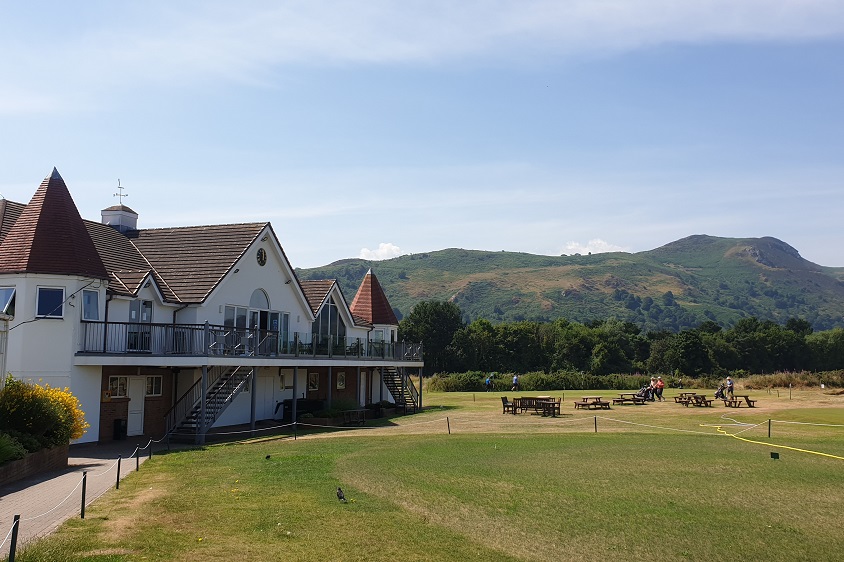
On 2 November 2026, Forfar Golf Club in Angus, Scotland, set out the next stage of a multimillion-pound improvement programme. The announced work includes a comprehensive refurbishment of the main clubhouse, a redesigned professional shop and a Rain Bird irrigation system spanning the course. Those are forthcoming projects, not facilities already completed; no precise completion date or itemised construction budget was provided.
The programme follows the club's partnership with The Ancient Links Golf Company, formed in spring 2026. Golf Business News published the latest announcement at 14:13 UK time on 2 November. The operator's own venue information separately confirms the principal improvements delivered so far.
Work already completed
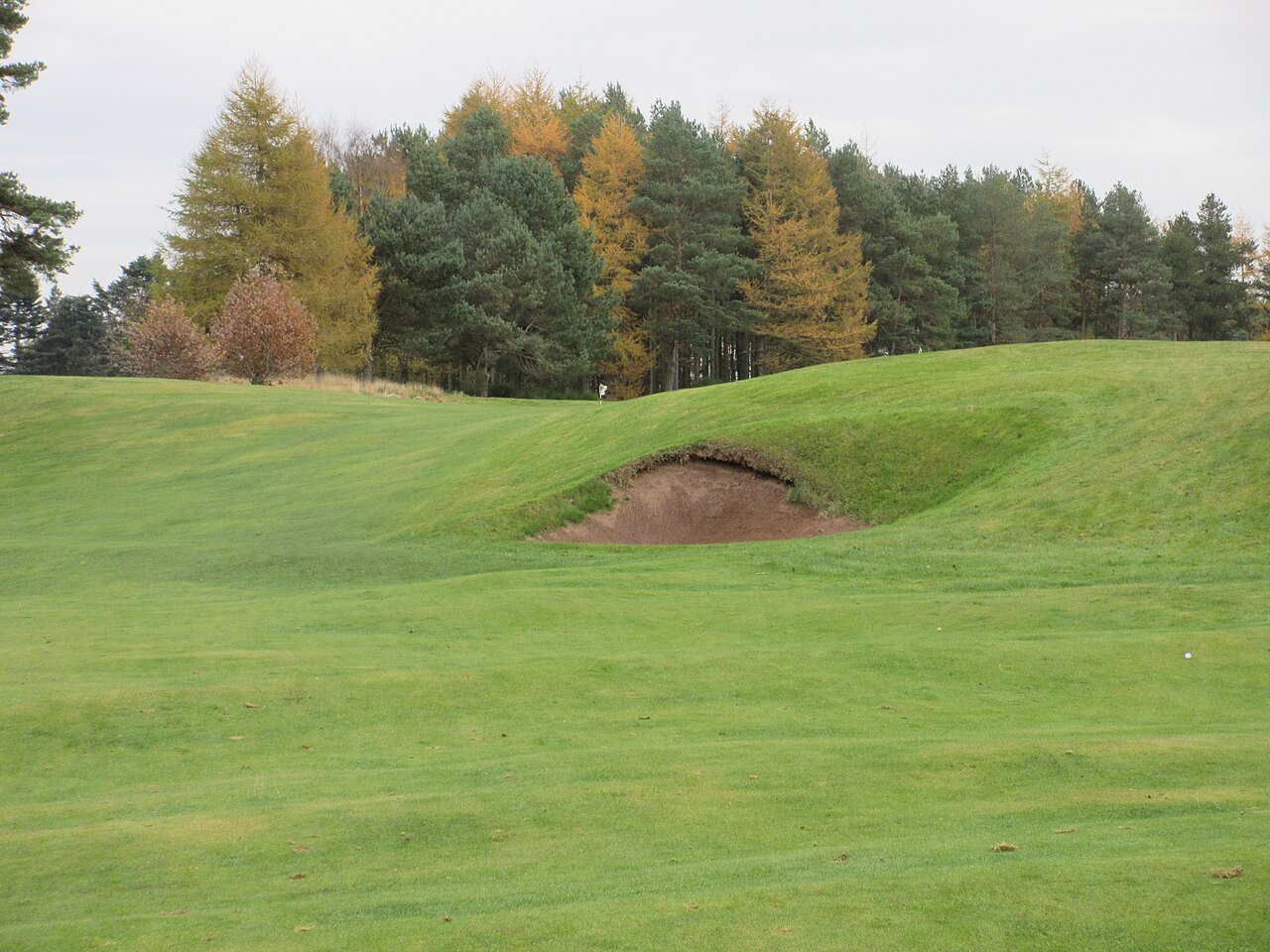
All 78 bunkers have been excavated, reshaped and refurbished, while the first-hole tee complex has been redesigned. Marking 100 years since James Braid revised the course in 1926, the club also reinstated a historic bunker at the 15th hole, named Braid's Best.
The locker rooms and showers have been upgraded, with dedicated facilities for juniors. A new commercial kitchen supports Rig & Furrow, a restaurant open to the broader community as well as members. Club officials say that the partnership has created 28 jobs and that the junior programme now serves more than 160 young golfers.
What comes next
Plans for the next phase focus on the main clubhouse, the visitor welcome area and the professional shop. The proposed irrigation system is intended to give the greenkeeping team finer control over water use and turf consistency across different parts of the property. The club has not said the system is already operational. Further winter improvements are envisaged before the 2027 season.
Why Forfar matters
Established in 1871, Forfar describes itself as the first course designed as an 18-hole layout from the outset. Old Tom Morris laid out the original course; James Braid revised it in 1926. Its distinctive rig-and-furrow terrain preserves ridges and troughs created by centuries-old farming. Course improvements therefore have to address both present-day playability and a landscape with rare architectural character.
Visitor tee times remain advertised on the club's website. The announcement is not a notice that all 18 holes have closed, and the club has not specified when the next projects will be fully completed.