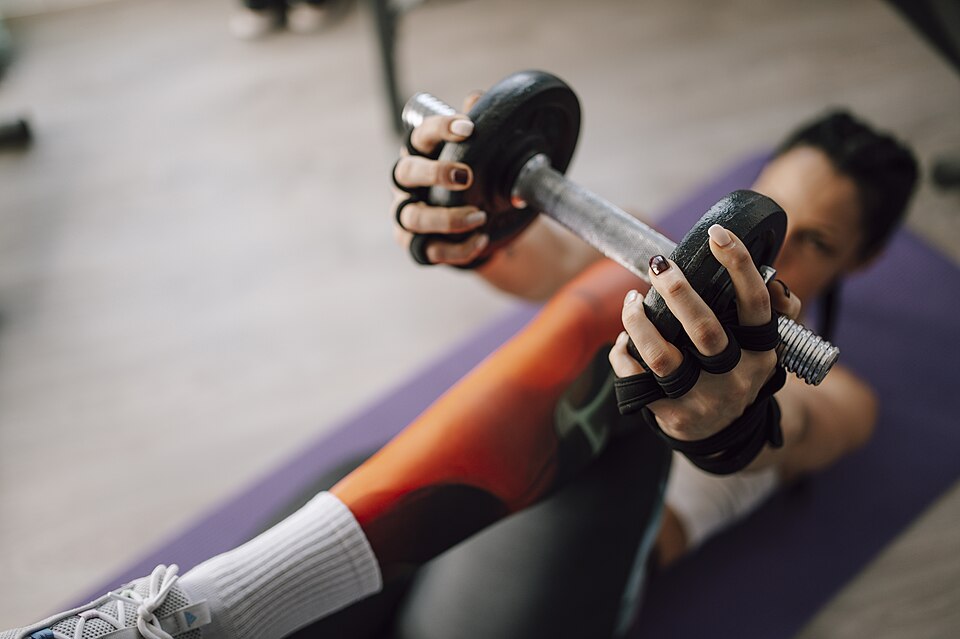
Can work away from the course help a golfer hit the ball farther? A new research synthesis gives physical preparation a meaningful role, without promising anyone an instant distance gain. On 27 August 2026, Sports Medicine published a systematic review and meta-analysis by Martin J. Johansen and colleagues examining physical-training interventions and golf shot performance.
WHAT THE RESEARCH INCLUDED
The authors gathered 33 studies with a combined 798 golfers of varying ages and playing levels. Eligible physical-training programmes lasted at least four weeks. Twenty-six studies used controlled comparisons; seven measured changes in a single group before and after training. The investigators analysed these designs separately, an important distinction when trying to separate an intervention effect from changes that may occur for other reasons.
FOUR NUMBERS — AND THEIR MEANING
In the controlled studies, the pooled estimated improvements were 1.05 metres per second in clubhead speed, 2.20 metres per second in ball speed, 9.33 metres in carry distance, and 10.55 metres in total distance. For carry, the reported 95% confidence interval was 5.12 to 13.55 metres. Those figures describe averages across study groups. They do not predict that a particular golfer will gain precisely nine or ten metres.
WHY THIS IS NOT A UNIVERSAL WORKOUT PLAN
Studies differed in the participants they recruited, the training delivered and the outcomes measured. The authors rated the certainty of evidence as low for all controlled outcomes and very low for single-group outcomes. The review therefore cannot identify one best routine for every golfer, promise a beginner a specific gain, or show that lower scores automatically follow improved speed. Longer shots and straighter shots are not the same outcome.
HOW A GOLFER CAN USE THE FINDINGS
First, treat physical conditioning and swing instruction as related but distinct tools. The review supports investigating structured physical preparation; it does not establish that gym work replaces coaching on strike location, face control or shot selection.
Second, establish a baseline. With the same club and ball, and under as similar conditions as possible, record a short series of ordinary shots. If you have a launch monitor, note clubhead speed and carry. Also track shot spread and contact quality. Avoid judging yourself by one exceptionally long strike.
Third, work with an appropriately qualified professional to choose a regular, manageable programme based on your training experience and any physical limitations. Four weeks was the studies' minimum eligibility requirement, not a proven universal timeline for results. Seek individual advice for pain or injury rather than pushing through it.
Fourth, repeat the same shot assessment after a training period. Compare typical carry and dispersion alongside speed; greater speed with much wider misses may not help scoring. This tracking approach is an editorial suggestion, not a specific intervention tested by the meta-analysis.
THE PRACTICAL TAKEAWAY
Structured physical training may be a worthwhile component of golf preparation. The useful lesson is to assess your own responses carefully while keeping technique, accuracy and overall play in view. Group averages are evidence, not personal guarantees.
Research source: Johansen M. J. et al., Sports Medicine, 27 August 2026, DOI: 10.1007/s40279-026-02531-3.
Read more on this topic

Driver Speed or Accuracy? A 24-Ball Practice Test for Three Swing Intentions
A small MyGolfSpy test found more carry but wider dispersion with faster drives. Here is a cautious 24-ball self-check for speed, accuracy and playable misses.

Nine imaginary holes: make driving-range practice more like real golf
Turn a range session into nine imagined holes: select specific targets, rotate clubs, follow a pre-shot routine and track outcomes without promising instant improvement.

Is Your Backswing Too Long? Three Warning Signs and a 24-Ball Test
Does your grip slip, your arms collapse late or your balance disappear? Explore a PGA coach's three checks and compare 24 iron shots.
Ben Crenshaw's Putting Lesson: Check Ball Position Before Changing Your Stroke
Ben Crenshaw sometimes made tiny ball-position adjustments instead of rebuilding his putting stroke. Learn what the setup can influence and try a careful 18-putt comparison without guaranteed outcomes.