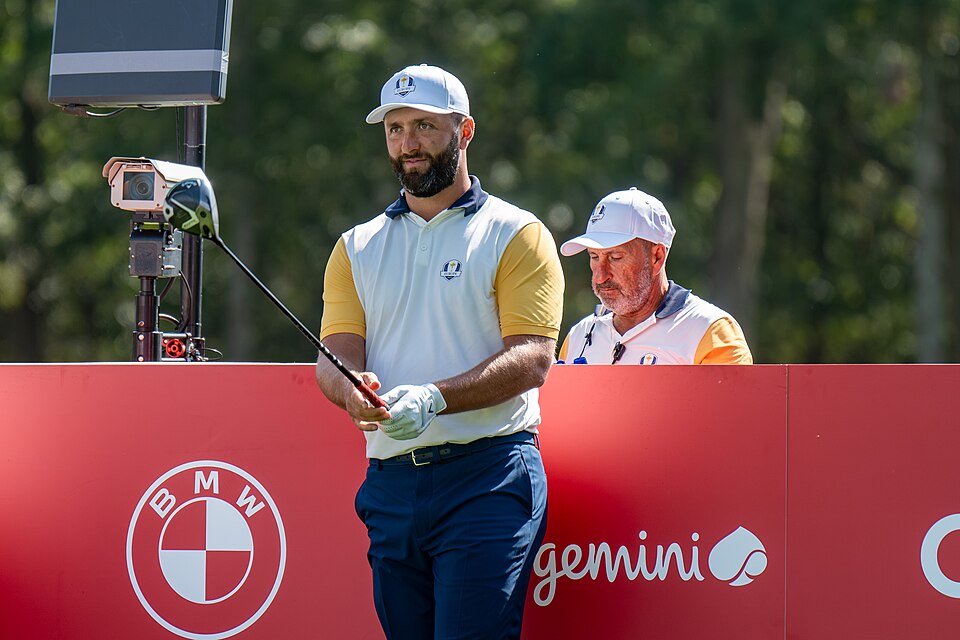
30 October 2026. Indian golfer Tvesa Malik has offered a revealing explanation of her performance at the Hero Women’s Indian Open. In an interview published by The Times of India after the event, Malik said the most meaningful progress came from the way she handled difficult moments, not from a sudden technical breakthrough. Her seventh-place finish also opened a broader discussion about junior development and support for women pursuing careers in golf.
Seventh place, 287 strokes and three Indians in the top ten
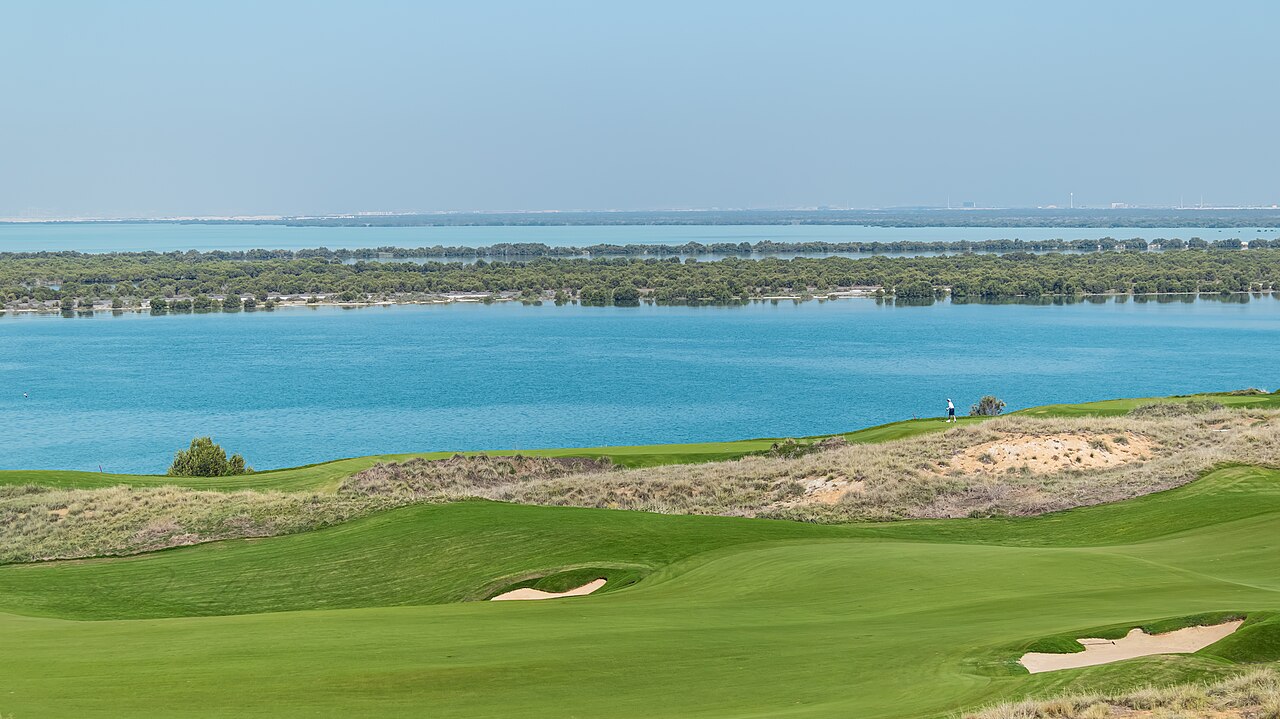
At DLF Golf & Country Club in Gurugram, Malik posted rounds of 71, 73, 71 and 72, totalling 287 strokes (−1) on the par-72 layout. She finished seventh in the Ladies European Tour (LET) event. Home players Vani Kapoor and Pranavi Urs also featured prominently, placing second and tied fourth respectively; Thailand’s Pornanong Phatlum won the tournament. The final positions can be cross-checked against the Rolex Women’s World Golf Rankings event record.
The numbers provide context rather than the whole story. Malik knows the demanding DLF course well. Inaccurate tee shots and approach shots that miss the green in the wrong place can quickly cost strokes. She said she approached those challenges with greater acceptance this year, avoiding the temptation to let one mistake dictate the next hole.
What her caddie noticed
Malik described a shift from constantly searching for a technical correction towards recognising how and why mistakes occur. Experienced professionals can work hard on their swings and still lose ground through decision-making and emotional reactions under pressure.
Her caddie’s assessment after the final round particularly stayed with her: he had noticed how little she became upset when things went wrong. That response mattered because the ability to reset after a poor shot is a competitive skill in its own right. It does not guarantee a birdie on the next hole, but it can prevent an isolated error from affecting an entire stretch of play.
A message for parents of young golfers
The interview also considered the emergence of 13-year-old Ojaswini Saraswat, who made the cut at the Women’s Indian Open. Malik welcomed the development of younger talent while cautioning against imposing adult expectations on children.
In her view, parents play an essential supporting role, but a young player’s ambition must come from the player. Better access to information and training is helping juniors progress earlier. Yet early success should be accompanied by patience, continuing education and genuine enjoyment of golf rather than unrealistic demands for immediate results.
Why the support system matters
Malik praised the progress made by the Women’s Golf Association of India (WGAI) as more Indian women compete on international circuits. Still, she argued that sustaining this momentum requires practical support beyond individual commitment.
She pointed to structures seen in other golf nations that help players with accommodation, coaching, physiotherapy and practice facilities. Those resources can reduce the burden of travel and recovery during a long international season. The issue is not only who produces one excellent result at home, but who can continue competing effectively abroad.
The wider significance: Malik’s 30 October interview is distinct from the tournament’s result alone. Her seventh place illustrates a week of competitive progress; her comments describe the mental discipline and institutional backing she believes Indian women’s golf will need for the next stage of its development.