On 27 October 2026, MyGolfSpy published Brittany Olizarowicz’s MyGolfSpy Drill of the Week: The Start Line Stick, which also links to a demonstration by instructor Scott Stiles. Its premise is simple: before guessing why a shot finished offline, observe where the ball started. This is a coaching exercise, not a controlled study, and no particular improvement can be guaranteed.
Start direction is not the full ball flight
A shot can launch right of its target, curve left and finish near the intended landing area. Another may start correctly and drift away later. Initial launch direction, subsequent curve and final position are distinct observations. The orientation of the clubface at impact has a major influence on the start line, although club path, strike location, loft and other factors also matter. A single start direction does not identify the cause of a slice or prove exactly where the face pointed.
The idea behind Start Line Stick
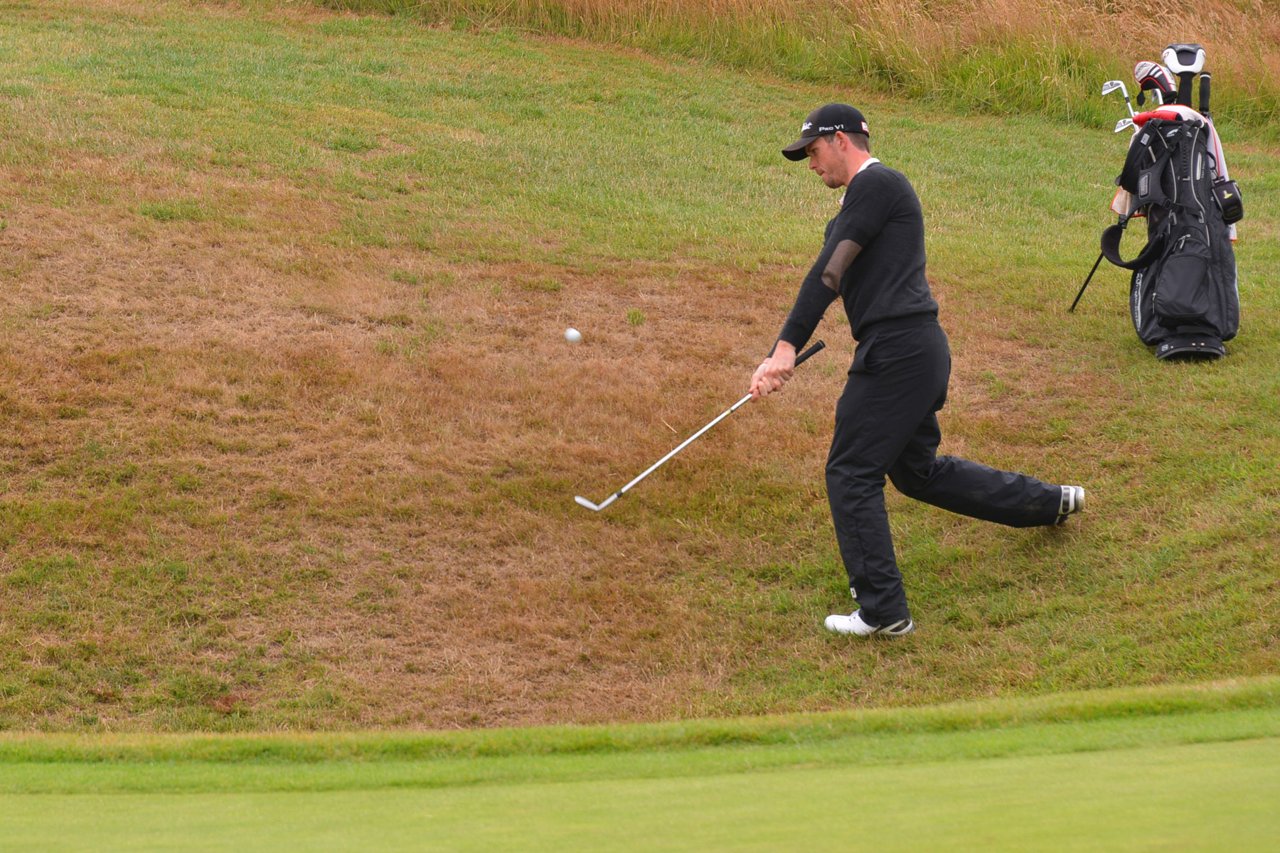
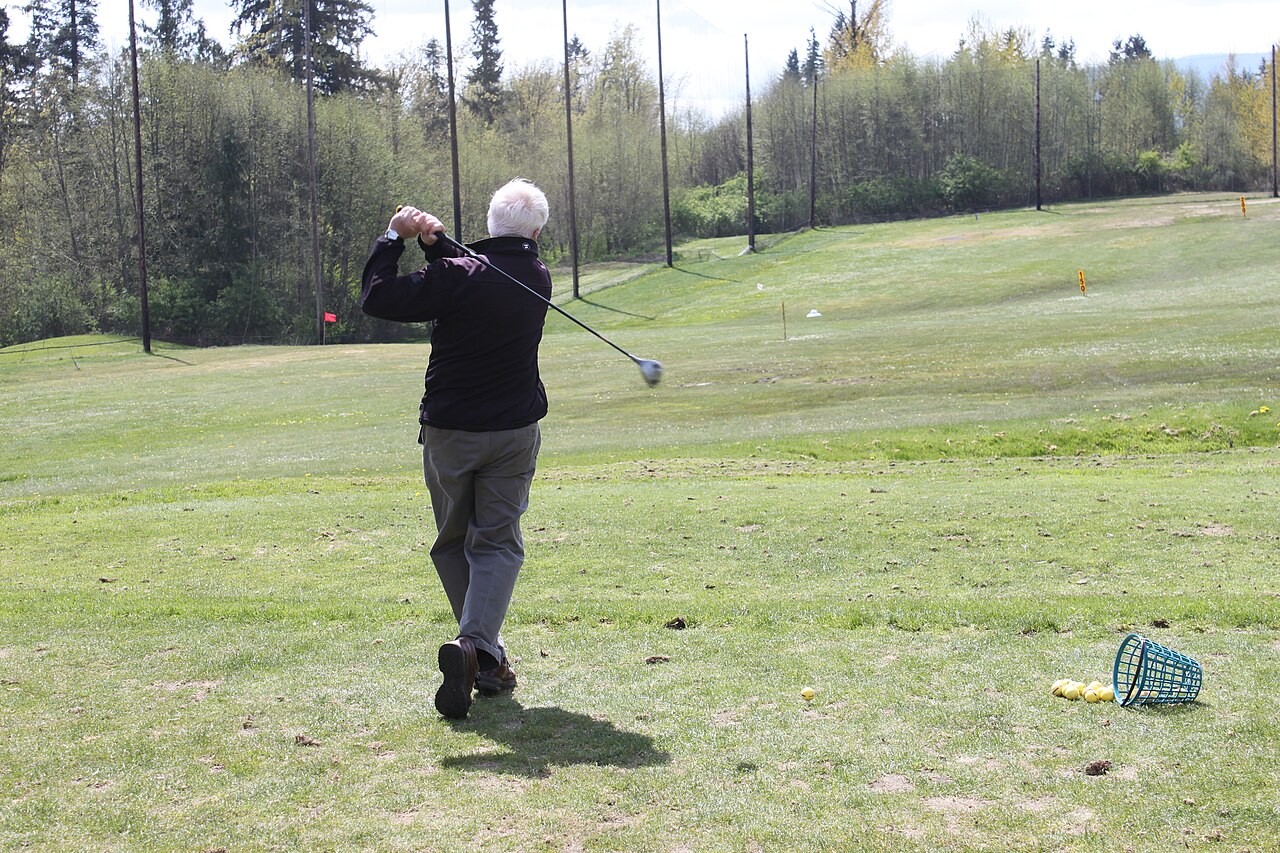
The published lesson asks players to pick a range target, place a visual marker roughly ten feet in front of the ball, and deliberately start shots first on one side and then on the other. Olizarowicz recommends progressing from compact, chip-style swings to longer shots and changing aim intentionally rather than immediately manipulating the club during the downswing.
Make the setup safe. Never plant a rigid alignment rod where a ball or club could strike it and rebound toward anyone. A distant existing range marker is a safer reference; an alignment stick can also lie flat on the turf outside the swing area if permitted. Follow the range’s safety rules and stay inside the designated hitting direction.
An editorial 24-shot practice check
Use one familiar iron, the same type of ball and one primary target. Before hitting, define three safe launch corridors relative to your reference: left, centre and right. Rehearse a few small swings without a ball.
Shots 1–6 — establish a baseline. Hit normal shots, noting start direction, later curve and quality of contact. Resist rebuilding your swing after every miss.
Shots 7–12 — call a left start. Aim deliberately into an acceptable left-side corridor. Begin with smaller swings. Do not force the face closed with a last-second wrist movement.
Shots 13–18 — call a right start. Repeat with the opposite side. If results become erratic, shorten the motion or return to a straightforward shot.
Shots 19–24 — predict before swinging. Rotate between left, centre and right intentions. Record whether the observed start matched your call, and track clean contact separately. A badly struck ball passing the visual marker is not necessarily a successful shot.
What the numbers can and cannot show
Compare how often you called the start correctly in the final group against the initial shots. With just six shots in each block, this is feedback, not statistical proof of improvement. Repeating the check over several sessions is more informative. If your ball consistently begins away from your intended line, a qualified coach can examine your grip, alignment, clubface and strike. If start direction is predictable but the finish is not, examine curvature, wind and dispersion separately.
The skill being trained is not “missing a stick.” It is the sequence choose an intended start, observe the real start, then decide what deserves attention. Neither guaranteed handicap gains nor one-size-fits-all swing changes follow from a single drill.