When the putter looks square but the aim feels wrong
Why can the same putting line appear different after only a slight change in head position? One possible factor is eye dominance: the visual system often favours one eye when aligning objects at different distances. In an article published on 29 October 2026, former golf teaching professional Brittany Olizarowicz suggested a simple way to explore this before putting practice. It is a check of visual preference, not proof that one eye explains every missed putt.
A ten-second check
Extend both arms and form a small circle or triangle with your thumbs and index fingers. With both eyes open, centre a stationary object several metres away inside the opening. Without shifting your hands, close each eye in turn. The eye that keeps the object centred is generally the dominant eye. Repeat the check if the result is unclear; dominance is not equally pronounced in everyone.
This is neither a vision-acuity test nor a direct assessment of your ability to start a putt on line. Crucially, it does not prescribe a particular putter, offset or stance.
What professional instructors emphasise
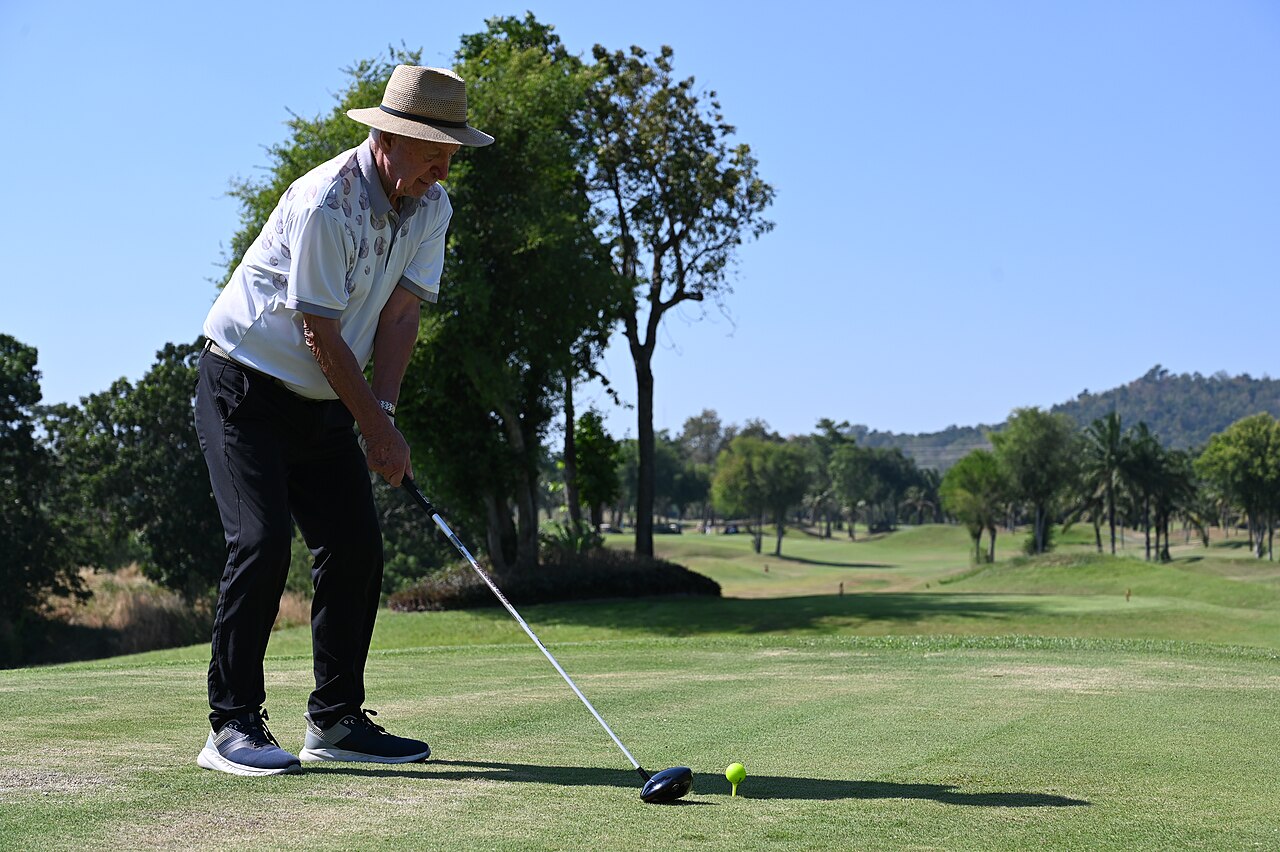
Short-game specialist Parker McLachlin uses eye position as a putting-setup checkpoint, suggesting the eyes be over the ball or slightly inside its line, rather than well outside or deep inside. Instructor Frederik Lindblom demonstrates a related but separate point: visual alignment can be individual, and modest changes in head position may alter how the intended line looks. A putting mirror can help a player reproduce a chosen setup, although it is not necessary for an initial trial.
These are coaching cues, not universal laws. Right-eye or left-eye dominance does not, on its own, show that a golfer needs a specific amount of shaft offset. Changing putters solely because of the ten-second test would be premature.
An original 12-putt practice comparison
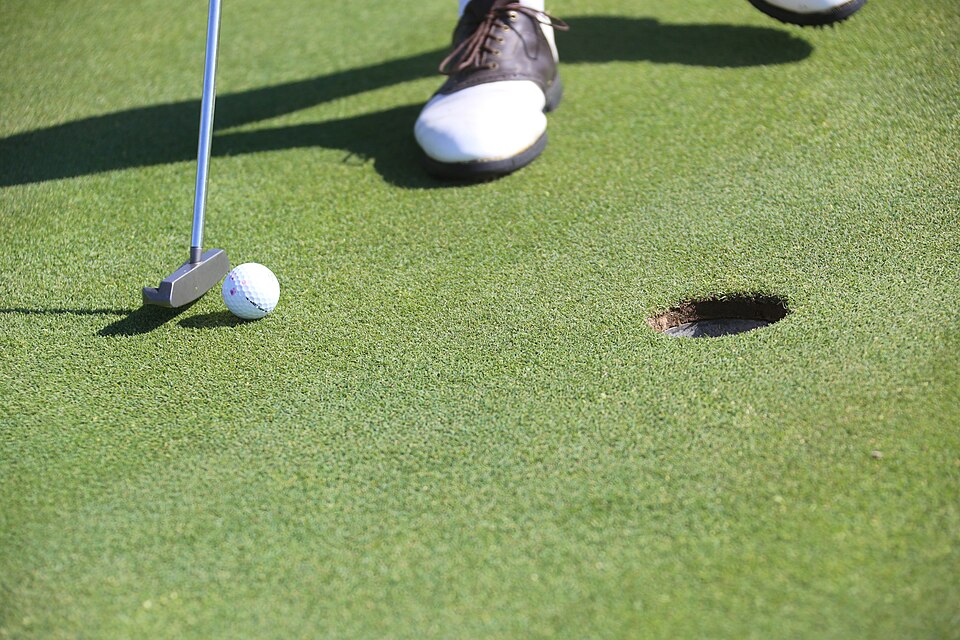
On a practice green, choose a relatively straight putt of about two metres (6½ feet). Set a harmless reference for your intended start line, for instance two tees beside the line, without obstructing the ball. Hit six putts in your normal address position, noting where each ball starts relative to the reference. Then adjust your head position only slightly — perhaps moving your eyes a few centimetres closer to being vertically over the ball — and hit six more putts, keeping distance and pace similar.
Compare starting direction and how comfortable the aim looks, not simply how many putts fall: slope and pace also affect the result. This is a GOLFTWITT editorial practice comparison, not a validated performance study or a promise of lower scores. If your original setup proves more dependable, there is no reason to force a change.
Sources: MyGolfSpy, 29 October 2026; Parker McLachlin's advice reported by GOLF.com; Frederik Lindblom on eye alignment, GOLF.com.