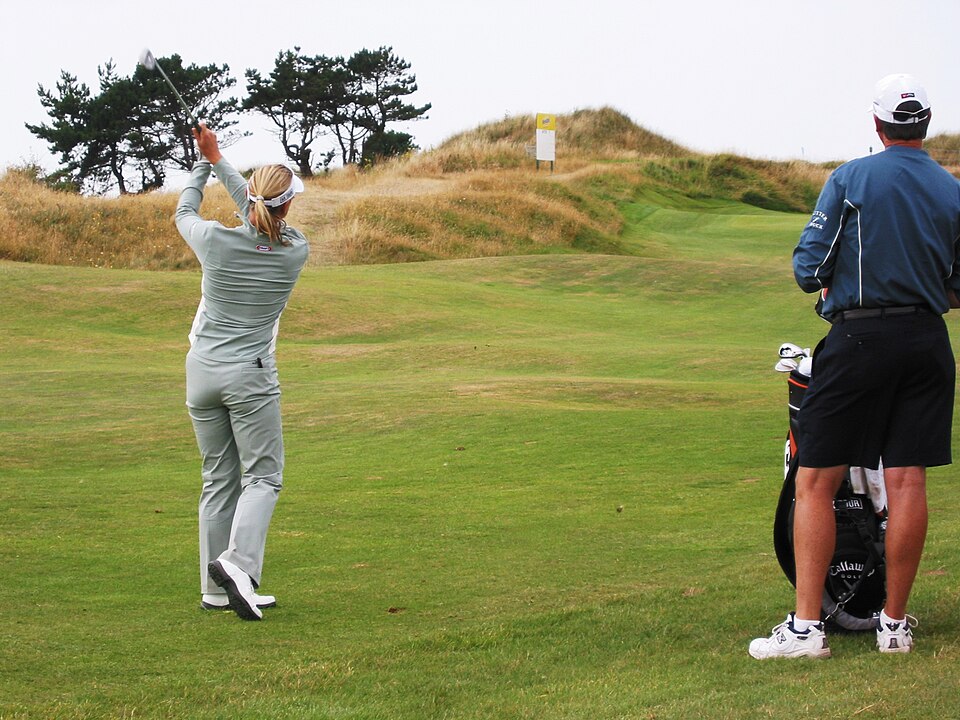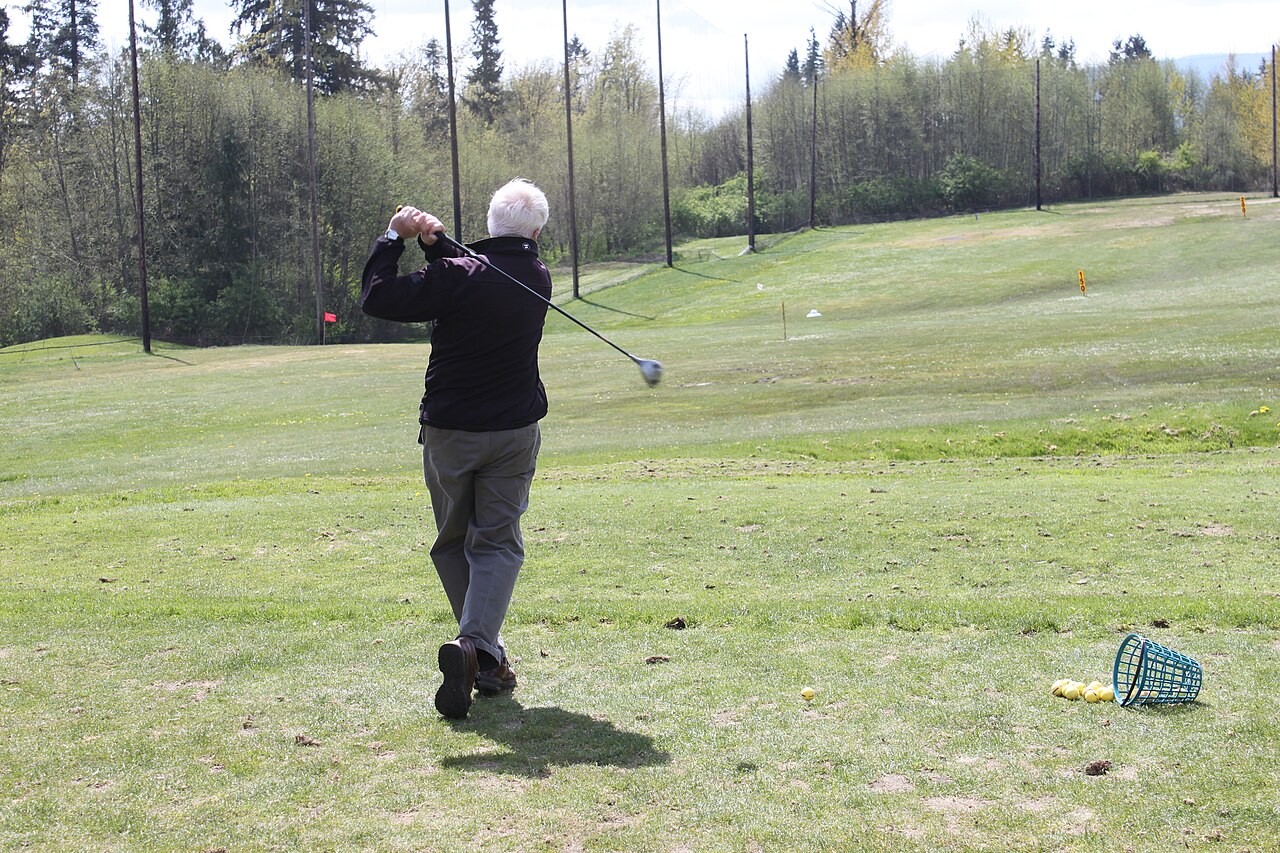
Into a headwind, harder is not always farther
In a Titleist video lesson published on November 2, 2026, instructor Dave Phillips explains how to approach an iron shot into a headwind. The task is not simply to "hit it low": club selection, launch, spin and swing length must work together. His advice addresses headwinds in particular, not every type of wind.
Why swinging harder can make things worse
Trying to overpower a headwind can, depending on the strike, add backspin and produce a higher flight that loses distance. Phillips suggests a different approach: rather than swinging all-out with a shorter iron, choose less loft and make a smoother, shorter swing.
He contrasts a 9-iron with a 7-iron. The 7-iron's lower loft can make it easier to produce a controlled flight without forcing the swing. This is an example, not a standing instruction to replace every 9-iron with a 7-iron. Actual carry depends on wind strength, the golfer's delivery, the lie and their known club distances.
Three setup adjustments
In a stronger headwind, Phillips suggests moving the ball slightly back of centre in the stance. Along with a controlled motion, this can help lower launch. Moving it too far back can compromise strike quality and face delivery.
He also recommends a somewhat wider stance for stability and remaining centred, rather than trying to lift the ball into the air. His preferred motion is a smooth swing of roughly three-quarter length, prioritising a repeatable strike, starting direction and trajectory over maximum effort.
A 12-shot practice check
The routine below is an editorial adaptation of the lesson, not a drill quoted from Phillips.
- At a safe practice range in a reasonably steady headwind, note your normal carry with the iron you intend to use. Do not draw conclusions about wind strength from a single ball.
- Hit four shots with your usual club and setup. Record strike quality, flight and landing distance; assess the whole group, not the best shot.
- Hit four shots with a lower-lofted iron and a smooth three-quarter swing, without trying to add speed with the hands. Compare consistency of contact and carry.
- For four more balls, experiment with moving the ball only slightly back and widening the stance a little. Retain a change only if it produces more repeatable results for you.
If the lower-lofted club repeatedly comes up short or worsens contact, revert to your usual choice and ask a qualified coach to review your delivery. Crosswinds and tailwinds call for different decisions.
Control comes before force
The central lesson is not to fight the wind with extra effort. Manage the flight and strike first. Less loft alone does not guarantee extra distance or accuracy: conditions and execution still determine the result.