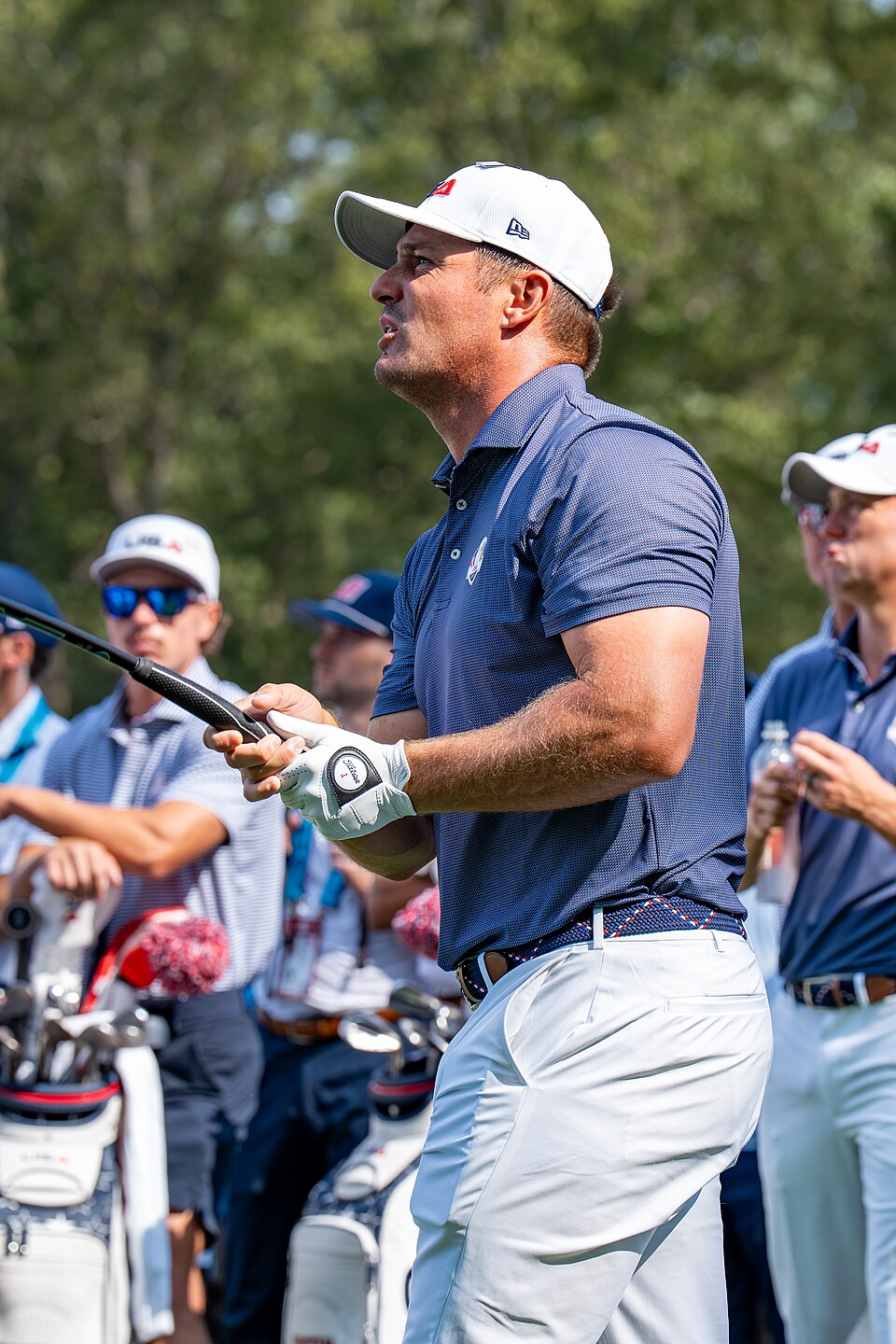
A leading player explains his position on LIV's next chapter
In an episode of Raj Shamani's Figuring Out podcast released on 31 October 2026, two-time U.S. Open champion Bryson DeChambeau outlined why he remains supportive of a proposed restructured LIV Golf. Amid financial uncertainty and the departure of several established names, his remarks matter because they address how a future league might actually be governed, not just where one golfer might tee it up.
DeChambeau did not announce a newly executed contract, present an approved ownership structure or confirm that a new circuit is already operating. These are his views on a developing proposal.
From guaranteed signing money to influence
According to DeChambeau, the original LIV model relied heavily on substantial up-front payments to recruit golfers who had little say in the league's governance. In the proposed version widely dubbed LIV 2.0, he described a different trade-off: less money paid in advance but more control for players over how the organisation operates.
He also said he does not want a future LIV to be built around antagonism with the PGA TOUR. His preferred rationale is the distinct appeal of team golf and opportunities to add value internationally. This is not an announced partnership, merger or agreement with the PGA TOUR; it is an athlete's stated ambition.
What remains unproven
Reduced signing payments do not automatically mean athletes would play without compensation. No final public set of terms establishes what equity or voting rights players might receive, how revenues would be distributed, which guarantees would remain or how obligations to individual teams might work.
Governance carries financial meaning only if enforceable rights and a sustainable business exist behind it. For now, any claim that the new arrangement has solved the previous economic problems would run ahead of the evidence.
Why the timing matters
Recent departures or announced exits involving prominent LIV names, including Jon Rahm, Sergio Garcia and Louis Oosthuizen, have raised questions about the strength of a future roster. Those decisions are separate stories; DeChambeau's comments add a different perspective. A prominent remaining supporter believes a team-based product still deserves a place in professional golf.
The next meaningful milestones will be documented financing, binding player commitments, formal governance rules, the competition format and a confirmed schedule. Until those are made public, LIV 2.0 remains a proposal under development, not an established successor tour.
Implications for the sport
A genuine player-governance model could change relationships among athletes, teams and organisers. Its sporting legitimacy, however, will depend on the depth of the field, clarity of the rules, credible competition and how golfers can move between events and pathways. DeChambeau's interview is significant as a participant's public position, not as proof that negotiations have concluded.
Sources: Original interview: Figuring Out with Raj Shamani, episode released October 31, 2026 (https://www.youtube.com/watch?v=67AUqNeRf6U); independent context checks: Golf Monthly (November 1) and GolfMagic (October 31, updated November 1).