
5 keys for hitting solid shots out of the thick rough
Learn how to successfully manage shots from thick rough. A professional instructor shares five essential principles to avoid mistakes and improve your game results.
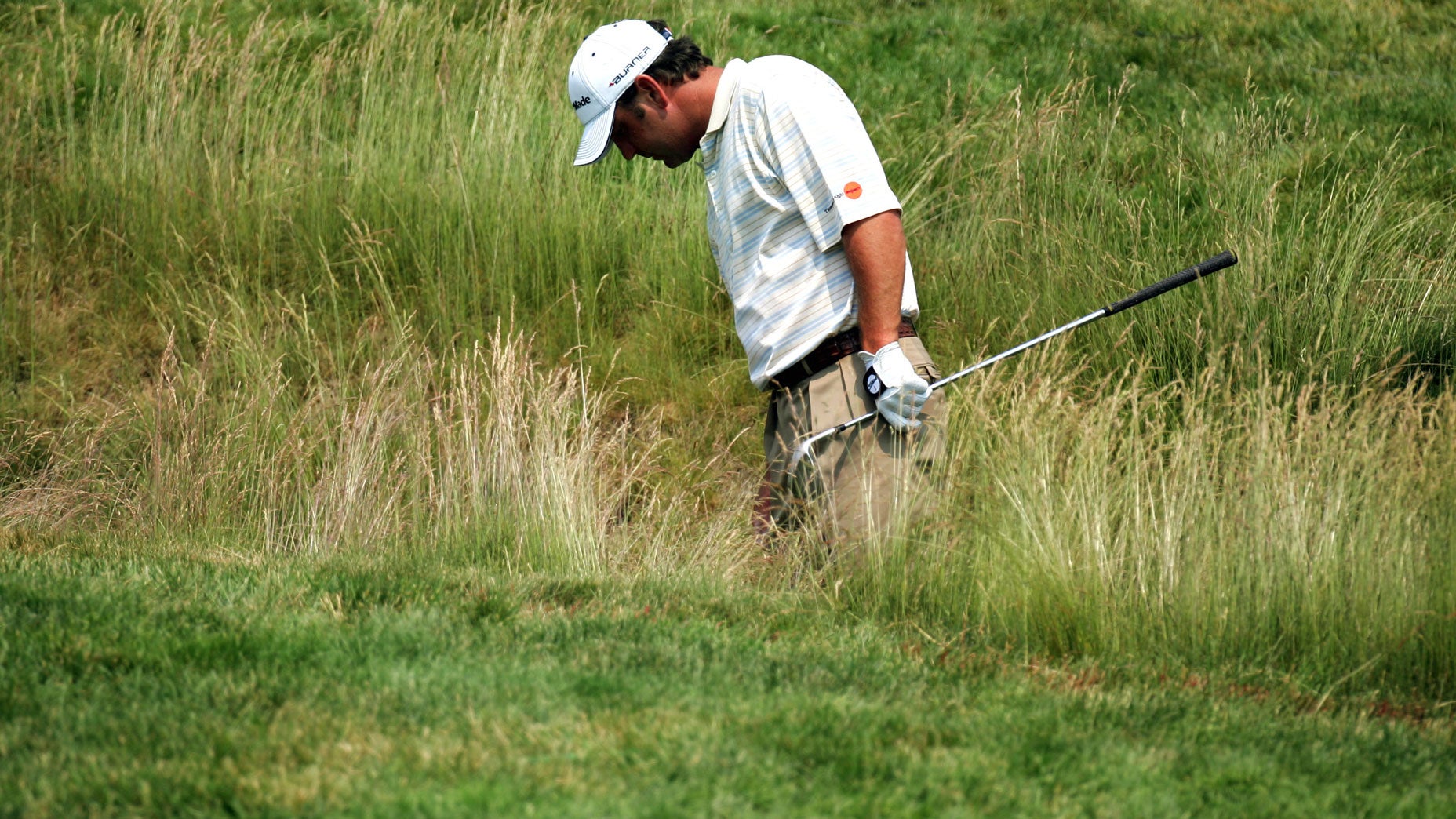
- 5 keys for hitting solid shots out of the thick rough By: Kellie Stenzel, Top 100 Teacher Published: June 23, 2026 If you have ever faced a situation where the ball is stuck in thick rough, you know it can be a real challenge.
- An experienced instructor from Long Island, Kellie Stenzel, shares how to successfully execute shots from thick rough using five simple but effective tips.
5 keys for hitting solid shots out of the thick rough
By: Kellie Stenzel, Top 100 Teacher Published: June 23, 2026
If you have ever faced a situation where the ball is stuck in thick rough, you know it can be a real challenge. An experienced instructor from Long Island, Kellie Stenzel, shares how to successfully execute shots from thick rough using five simple but effective tips.
1. Analyze the lie
The first step is to assess how thick the rough is. Simplify the task by asking yourself: How much of the golf ball can I see?
The less of the ball that is visible, the more conservative you need to be. Thick rough makes it difficult to make clean contact and significantly limits how far you can advance the ball. Understanding the severity of the lie will help you make better decisions before you swing the club.
2. Don’t get greedy
The worse the lie, the more important it is to play conservatively and focus on getting the ball back in play. Most golfers have experienced frustration when trying to make too aggressive a hit, resulting in the rough grabbing the club and the ball moving almost insignificantly. What should have been one recovery shot turns into two.
In the case of Kellie and her son, the situation was evident when they played in Scotland, observing how such mistakes led to disappointing results. Sometimes the smartest play is simply to get the ball back to the fairway, where you can make a clean contact and prepare for the next shot.
3. Club wisely
Club selection is critical when hitting from thick rough. In most situations, using a club with more loft is better, although your strength and swing speed should also be considered. The setups required for these shots tend to reduce loft at impact, so choosing a higher lofted club is usually a smart move. Many times, a wedge will be the optimal choice. When in doubt between clubs, err on the side of additional loft to improve your chances of a clean strike.
4. Set up steep
Proper setup is key to getting the ball out of heavy rough. Position the ball in the center of your stance or slightly back. This helps you contact the ball before the club encounters too much grass. Lean your body slightly toward the target so that your lead shoulder sits lower than your trail shoulder. This shoulder alignment encourages the club to travel down the back of the ball with a steeper angle of attack, increasing the likelihood of solid contact and reducing the amount of grass trapped between the clubface and the ball.
The shaft should also lean slightly toward the target, with the end of the grip remaining aligned with the center of your body. This setup effectively reduces loft and promotes a more descending strike. Maintain your weight favoring the lead side throughout the entire swing. Avoid falling back or attempting to lift the ball into the air, as this encourages the club to strike the ground before the ball. You need to start forward, stay forward, and finish forward, which helps steepen the angle of attack and improves contact quality.
5. Stay down
The setup creates the conditions for a steeper angle of attack, but now you need speed and commitment through impact. The downswing should be exactly that — down. Feel as though the club is driving into the ground after striking the ball. Aggressive speed through impact helps maximize distance and gives the club enough momentum to cut through the rough.
Because so much of the motion is directed downward, the follow-through may appear abbreviated. Often, the ground and thick grass will naturally limit how far the club can continue after impact, which is perfectly acceptable. Maintaining your weight forward and your upper body over the ball will also contribute to a shorter finish. Focus on making a committed, descending strike rather than trying to create a full, flowing follow-through.
Read more on this topic


