Direction is not the problem; how the ball is struck matters
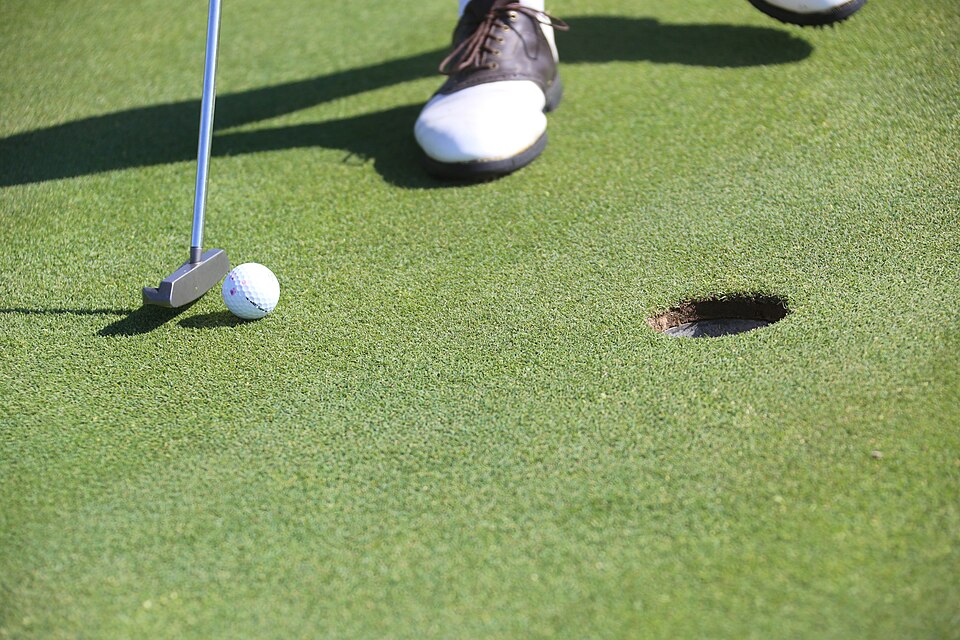
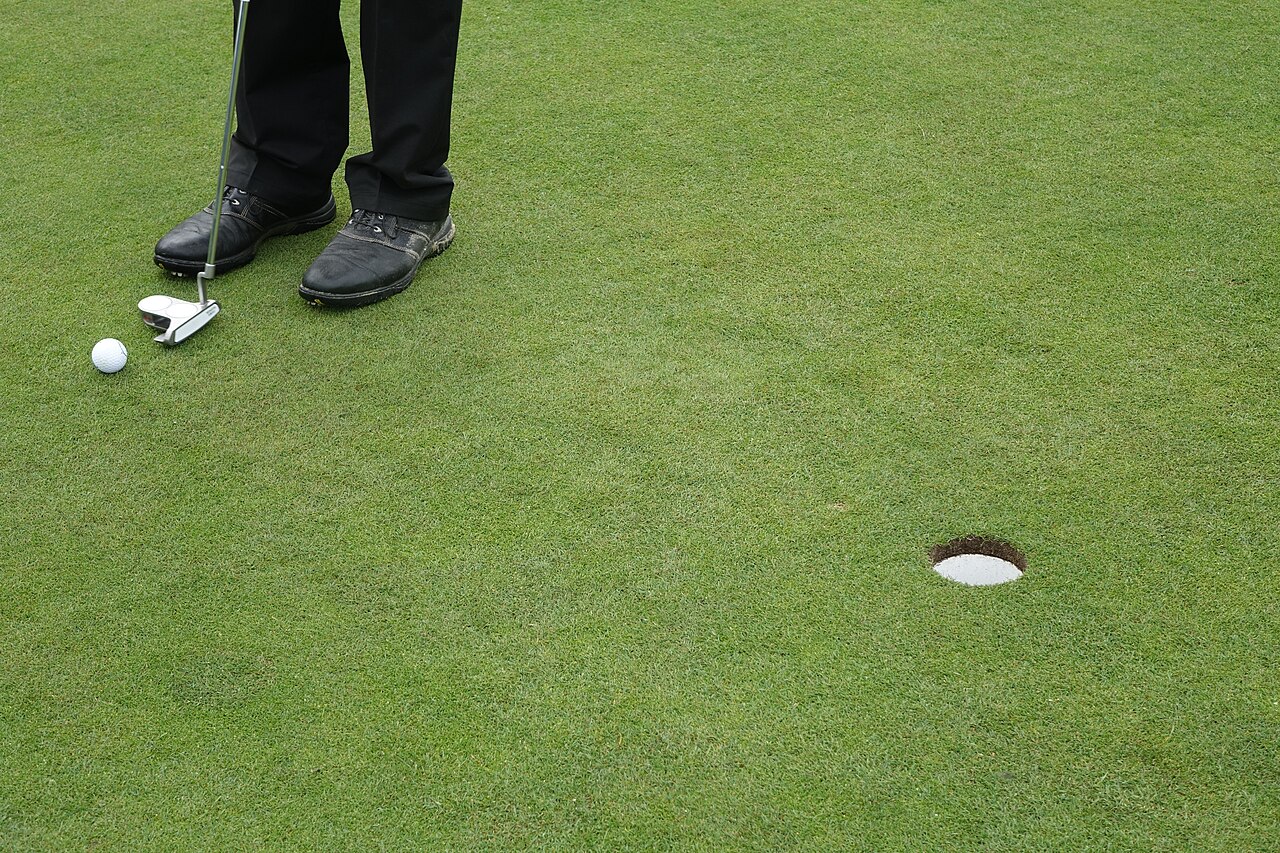
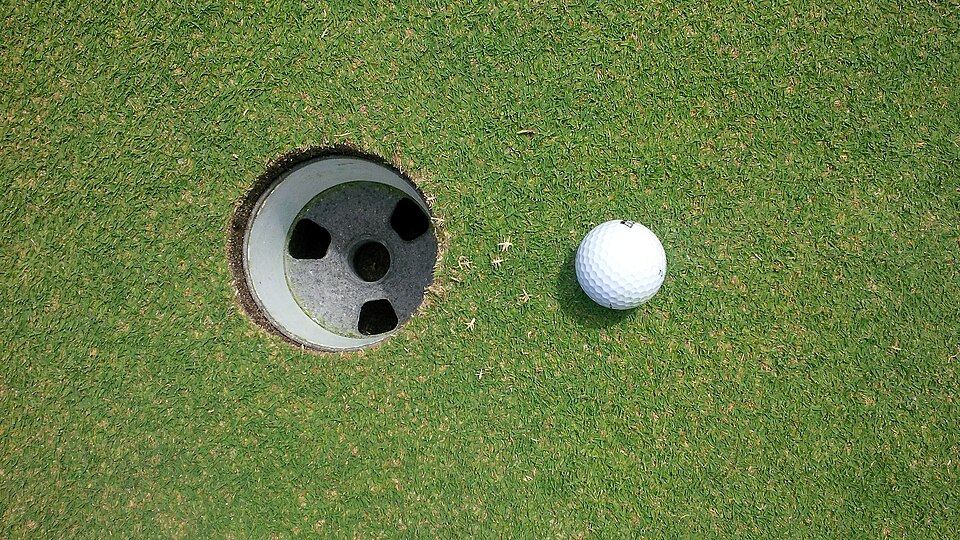
Your ball finishes just beyond the hole. Can you hole out with a tiny putt travelling towards your body? Yes—provided the clubhead makes a genuine, momentary strike rather than dragging the ball. This is one of four practical cases discussed on 3 November 2026 by GOLF.NL, with answers from rules specialists of the Netherlands Golf Federation (NGF), including committee chair Walter Haandrikman.
These are applications of existing Rules, not 2026 rule changes. We cross-checked the explanations against The R&A.
1. A putt played towards the golfer
Rule 10.1a requires the ball to be fairly struck with momentary contact by the clubhead; pushing, scraping and scooping are prohibited. A very short backswing followed by a distinct strike is permitted even if the ball travels towards the player's feet. Pulling it along the green with the putter is not. A breach of Rule 10.1 brings the general penalty: two penalty strokes in stroke play or loss of hole in match play.
2. Red and yellow edges around the same penalty area
A shot clears a water-side boundary, lands beyond it, then rolls back into the penalty area. The relevant reference point is where the ball last crossed the edge of the penalty area, not necessarily where it first flew over it. Under Rule 17.1d, stroke-and-distance or back-on-the-line relief is available for one penalty stroke whether the last edge was red or yellow. If that edge was red, lateral relief within two club-lengths, no nearer the hole, is an additional option. The last crossing and its colour must both be identified.
3. A ball amid branches deliberately stacked by greenkeepers
A permanent stack of branches forming part of a course landscape does not automatically entitle the player to free relief. Unless local rules declare them integral objects, individual unattached branches may be loose impediments removable under Rule 15.1, with care not to move the ball or unreasonably delay play. If the ball cannot be played, the player may instead use an unplayable-ball option under Rule 19.2 with one penalty stroke.
4. A fixed range-ball basket next to an out-of-bounds fence
A basket attached to the course side of a boundary fence can be an immovable obstruction. Yet if the boundary fence itself makes the intended stroke clearly unreasonable, the basket does not create a right to free relief. The Rule 16.1a(3) exception prevents relief where the real problem is a condition that does not allow free relief.
The takeaway: establish where the ball lies, what kind of object is interfering, and which particular Rule applies. The NGF's November examples clarify the current code; they introduce no new rule.