Restoring the character of a coastal classic
On Portugal's Tróia Peninsula, an ambitious restoration of Tróia Golf is approaching its final stages. The 18-hole, par-72 course, designed by Robert Trent Jones Sr. and opened in 1980, has been undergoing a roughly 12-month overhaul. Golf Business News reported the latest progress on October 27, 2026.
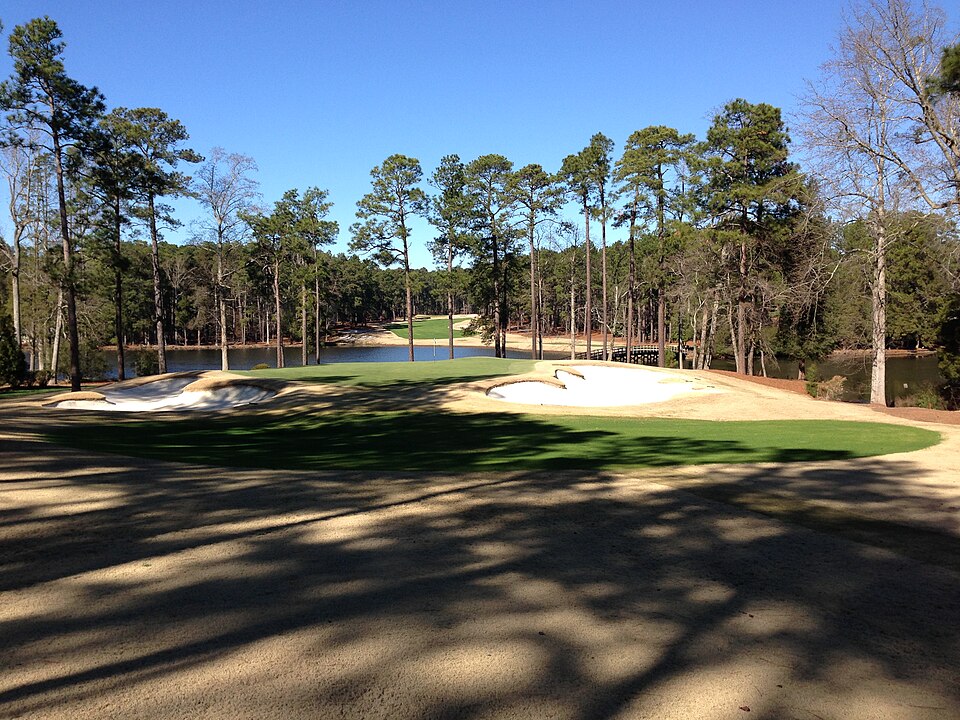
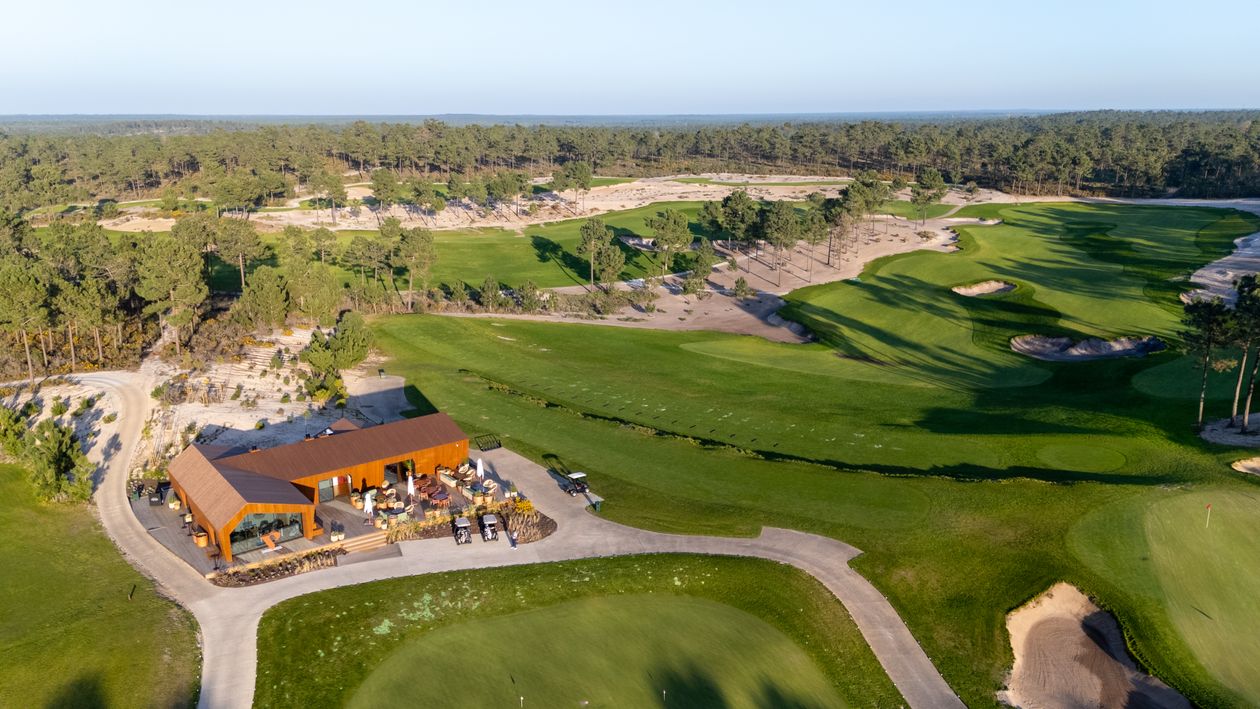
The course lies near Carvalhal in the municipality of Grândola, Setúbal District, between the Atlantic coast and the Sado estuary. Pine trees, coastal dunes, elevated greens, assertive bunkering and doglegs have long defined its playing character. The intention is not to create a completely new course, but to recover the original design's relationship with the sandy terrain while meeting modern standards of playability and maintenance.
The changes across all 18 holes
Robert Trent Jones II Golf Course Architects (RTJ II) is leading the work, with company president Bruce Charlton and senior design associate Mike Gorman closely involved. The design team consulted historic records, including Jones Sr.'s original hand-drawn grassing plan. Those documents informed a return to less rigid boundaries between maintained turf and the natural sand.
The project team says all 18 greens have been rebuilt using a native sand mix, while bunkers have been reconstructed to connect more naturally with the surrounding dunes. Fairways and other turf areas have been adjusted, along with tees and green surrounds. The architects are also emphasizing a wider choice of strategic shots, alternative ground-game approaches and shorter walking connections between holes.
Infrastructure and facilities
A replacement irrigation system, including a new pump station and up-to-date controls, is intended to make water management more precise. Landscape work is restoring dune areas and native sandy habitats, with selective hydroseeding where appropriate.
Practice facilities are being redesigned too. Plans include a driving range with target greens, a short-game area and an approximately 3,000-square-metre social putting green. The clubhouse renovation is intended to connect the building more closely with its coastal surroundings, with more fluid reception, lounge, bar, terrace and pro-shop spaces.
Reopening remains a target, not a confirmed date
RTJ II's October 27, 2026 press release sets March 2027 as the target month for the resumption of play, while the resort's own website still gives the broader guidance of early 2027. No exact reopening day or bookable tee time has been confirmed; March is a projected date, not a guarantee.
For those following golf architecture, the significance of Tróia lies in the approach: using historical design evidence and the natural landforms to make a course more engaging without erasing its identity. How well the reconstructed greens, strategic options and restored dune edges work together will become clear once golfers are welcomed back.