Tralee Golf Club on Ireland's Atlantic coast has completed a long-running programme of changes to its celebrated links. Scottish architect Graeme Webster oversaw eight phases of work covering the course's holes, bunkering, teeing areas and transitions. Golf Course Architecture published a detailed account on 30 October 2026, drawing on interviews with the architect and club officials.
Updating Palmer's design, not building a new course
Founded in 1896, Tralee moved to its current Barrow Harbour site in County Kerry in 1984. Arnold Palmer and Ed Seay designed the course there. The outward nine occupies comparatively gentle coastal ground, while the inward nine runs through much larger natural dunes.
The project was phased from 2019; 30 October 2026 was the date of the new reporting, not the opening date of a new golf course. The club sought to strengthen the links character of the outward nine without imitating the dramatic topography of the back nine.
How the holes have changed
Webster introduced dune forms, grassed walking routes and a new system of revetted bunkers with steep turf-built faces. Several greens and teeing areas were reshaped, with smaller individual tees better integrated into the landscape.
On the par-five second, tees and fairway were moved nearer the cliff edge, with new dunes along the left and behind the green. At the par-three third, more teeing areas were moved shoreward, adding new perspectives toward the historic medieval tower. The seventh green was brought closer to the water and received three pot bunkers. The eighth gained separate tees and a reshaped green complex. The par-five ninth was substantially rebuilt. On eleven, the tees now sit in a valley and the fairway offers a steadier climb.
Why the design matters
The aim is more than scenery. Separate tees provide options for different playing abilities, while varied angles and bunkers create strategic choices. The project also addressed playing surfaces and drainage, though no quantified performance improvement has been independently established.
Tralee's official website continues to offer visitor tee-time bookings. This is a report on a completed multi-year programme, not a claim that the club first opened to the public this week.
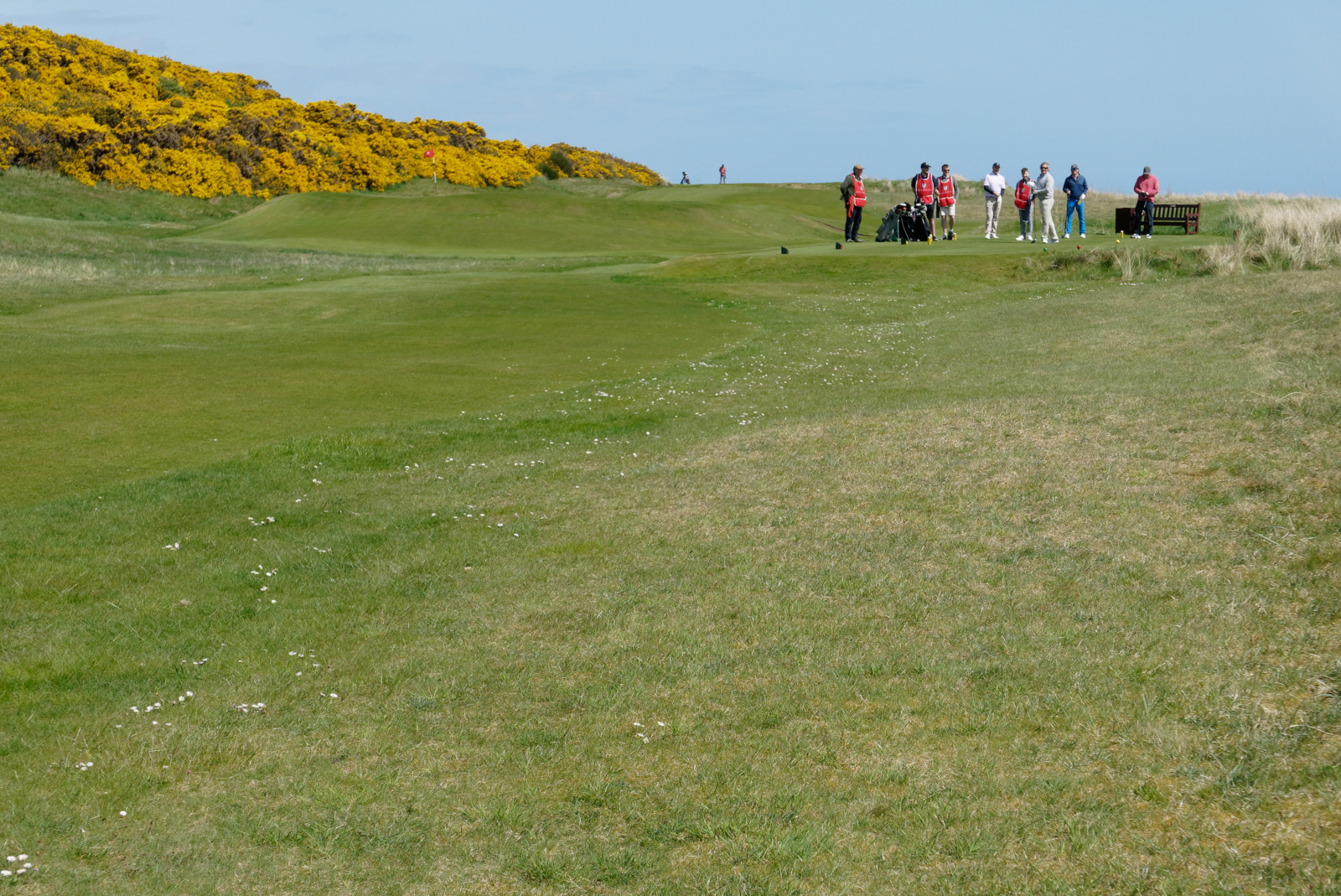
Reporting basis: Toby Ingleton, Golf Course Architecture, 30 October 2026, with the club's own history and visitor information. The illustrative archive photograph shows a different links course, not Tralee.