Why trying harder does not always create a better swing
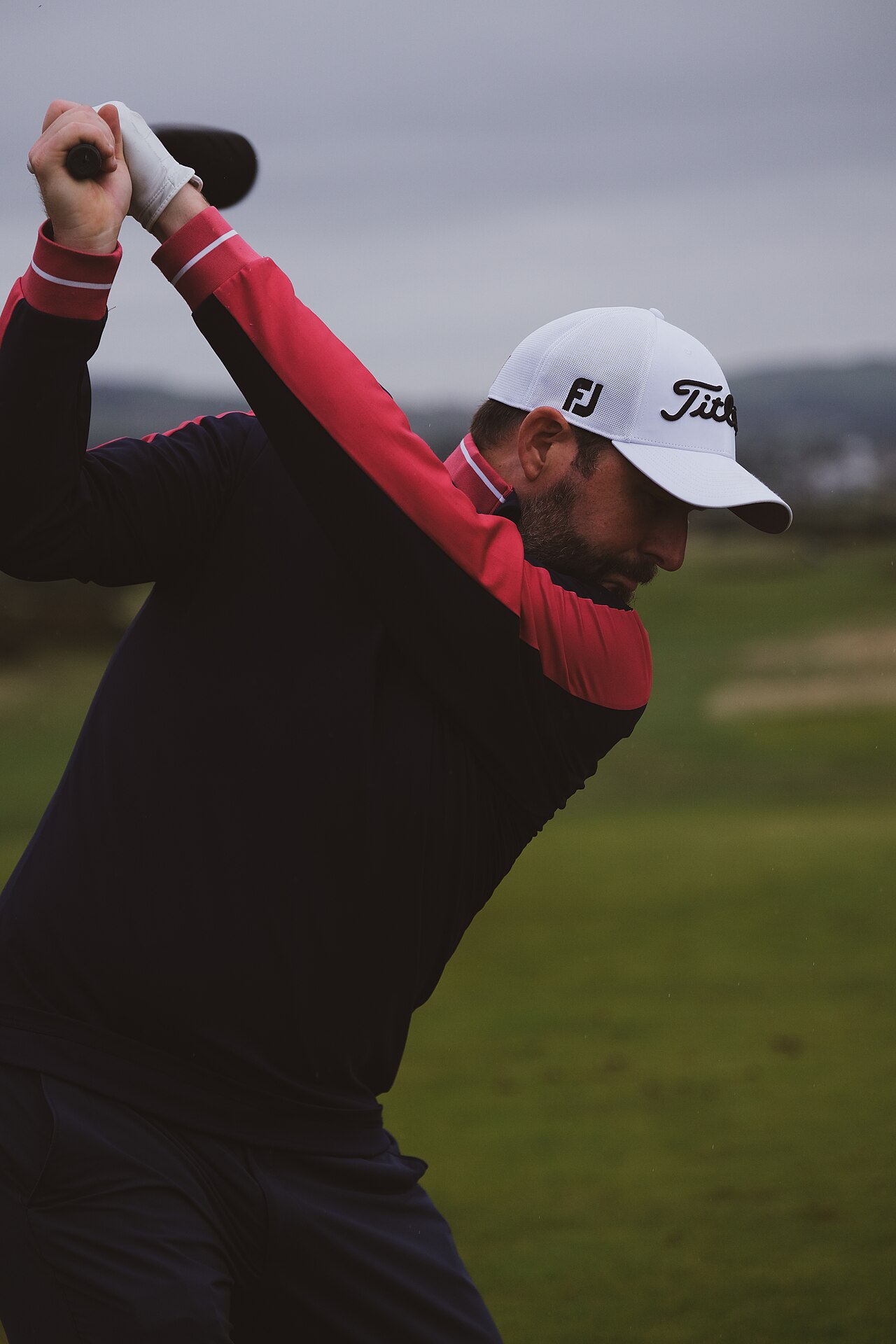
In a Clubhouse Algarve lesson published on 28 October 2026, Scott Cranfield, a PGA Master Professional, explores two related experiences: excess tension and the timing of movements during the golf swing. His reset begins not with a new shaft plane or clubface position, but with the free motion of the trail arm.
This is a coaching exercise for exploring feel and rhythm, not a universally proven prescription. Tension may interfere with movement for some golfers, but inconsistent contact can have other causes. No drill guarantees extra carry distance or lower scores.
The clubhead, hands and torso do not travel the same distance
During a swing, the clubhead describes a comparatively long arc; the hands travel a shorter path; the chest and shoulders move through a different range. Trying to move everything like one rigid block can make a smooth motion harder to feel.
Cranfield's cue is to let the arm swing more freely relative to the torso. A quiet chest is not an instruction to freeze the body. In a real golf swing the pelvis, trunk and arms interact dynamically. The purpose of this exercise is to notice their relative movement, not to lock one segment in place.
Drill 1: Swing the trail arm without a club
Take a comfortable address posture, hinging gently from the hips, with your feet balanced and shoulders relaxed. Put the club down.
Let your trail arm swing back and forward from the shoulder joint, initially below waist height. Start with small movements and notice whether the arm can move without an immediate, exaggerated turn of the whole chest.
Gradually widen the motion and allow the torso to respond naturally. Do not try to keep the chest absolutely still, which could create more stiffness. For a right-handed golfer the trail arm is normally the right arm; for a left-handed golfer it is the left.
Drill 2: A gentle release, only in a safe space
In the original lesson, Cranfield develops the sensation by letting a ball leave the trail hand during a relaxed throwing action. For independent practice, use a soft practice ball only into a safe net or empty permitted area. Never throw a hard golf ball toward other people, glass, or occupied practice stations.
Repeat the gentle arm swing, let the range grow slightly, and release the soft ball without an abrupt shove. Observe the direction and consistency of its flight. This is feedback on timing, not a direct measure of club path. Skip the exercise entirely if you cannot do it safely.
Drill 3: Reintroduce the club
Take a short iron, such as a 9-iron. Make a few slow, abbreviated, one-handed rehearsals with the trail hand and no ball, keeping your balance. Maintain a secure grip and stop if you feel discomfort in the wrist or shoulder.
Next, place both hands on the grip and repeat several controlled half swings. Keep attention on the sense of the club moving freely rather than on a long checklist of body positions. The body is still allowed to turn; the task is to reduce unnecessary effort.
An 18-shot observation session
The following is an editorial self-check, not a validated Cranfield study protocol. After a normal warm-up, use the same iron, comparable balls and one clear target on the practice range.
Shots 1–6: use your usual controlled swing and record contact quality, initial direction and approximate carry. Shots 7–12: make two gentle trail-arm swings before each shot, then hit at the same moderate effort. Shots 13–18: return to your normal pre-shot routine without the added cue.
Compare the full pattern, not just the best result. Does the group tighten? Does directional control worsen? A small set of shots can reveal something worth discussing with a coach, but cannot establish causation or promise a lasting improvement.
When professional assessment matters
If a golfer repeatedly loses balance, experiences pain or shows a persistent strike pattern, an individual lesson may be more useful than another general swing thought. A relaxed arm can be a worthwhile feel to test; it does not replace assessment of clubface delivery, strike location, path or mobility.
Source: Scott Cranfield, “Learn how to remove tension and reset your swing,” Clubhouse Algarve, 28 October 2026.