
Why this 'noxious weed' will give U.S. Women's Open players fits
At Riviera Country Club, host of the U.S. Women's Open, players will face an unusual adversary: kikuyu grass. This type of grass, considered a weed in most regions, requires a special approach and can pose a significant challenge to the tournament participants.
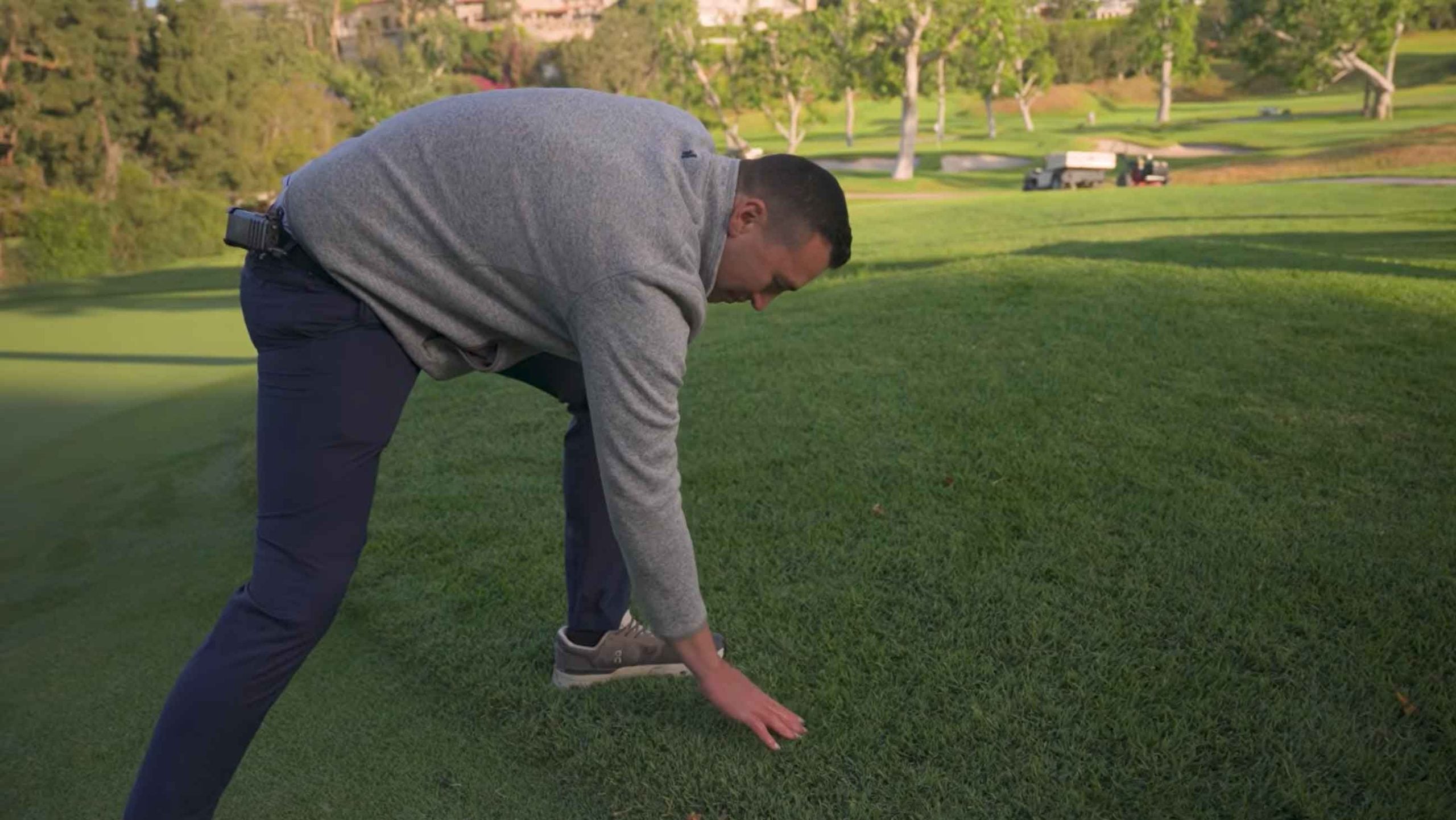
- Riviera, the storied golf club in the heart of Los Angeles, is preparing for the U.S.
- This African native, often deemed a "noxious weed" elsewhere, thrives in the canyon environment of the club, presenting a distinct test for the world's best female golfers.
- "Our property is down in the bottom of this canyon; it’s basically an old dry-wash riverbed," says Marshall Dick, the club’s superintendent.
- Assistant superintendent Tyler Shuman elaborated on the nature of kikuyu: "Kikuyu kind of came in naturally.
Riviera, the storied golf club in the heart of Los Angeles, is preparing for the U.S. Women's Open with a unique challenge: the kikuyu grass that dominates its fairways and rough. This African native, often deemed a "noxious weed" elsewhere, thrives in the canyon environment of the club, presenting a distinct test for the world's best female golfers.
"Our property is down in the bottom of this canyon; it’s basically an old dry-wash riverbed," says Marshall Dick, the club’s superintendent. "Our general philosophy here is to nurture, enhance and perfect what wants to naturally grow within this canyon, because it’s a unique environment."
Ahead of the U.S. Women’s Open — the first-ever at Riviera — GOLF visited with the club’s agronomy team to learn more about their work and preparation for the biggest women’s event of the year. The key to Riviera's unique character? Kikuyu grass, which covers the course's fairways and rough, while the greens are Poa annua.
Dick explained that kikuyu is still considered a "noxious weed" in most parts of the country and requires special permitting to bring its seed into the U.S. But at Riviera, it's embraced.
"It’s our turf grass," he stated.
Assistant superintendent Tyler Shuman elaborated on the nature of kikuyu:
"Kikuyu kind of came in naturally. It grows here… and the climate has kinda embraced it, and so have we. It’s definitely a different beast. Kikuyu can be hardy, but it can be affected pretty easily too. Timing and the type of year will change things. When we have the PGA Tour event in February, it kind of wants to shut down and go to sleep with the cooler temperatures. In the summer months, it becomes more of a spongy, hardy material."
Alexa Moncada, a senior agronomist on the Riviera staff, highlighted the playing challenge: "It doesn’t look as thick as it is. You get your ball in there and you can be 200 yards out — you’re not getting a fairway wood out of there. It’s tough. People might even compare it to fescue. It’s thick, and your ball just kind of sinks. I don’t think it’s as challenging in the short cut, but the rough is tough — you can’t really get it out."
The agronomy team's dedication to managing this unique grass ensures that Riviera presents a fair yet formidable challenge. Their approach focuses on enhancing the natural characteristics of the kikuyu, making it a defining feature of the U.S. Women's Open.
For players, navigating the kikuyu rough will require precision, patience, and a strategic mindset. The dense, spongy nature of the grass means balls can be easily lost or become unplayable, demanding exceptional recovery skills. This unique turf condition is set to be a significant storyline throughout the tournament, testing the adaptability and resilience of the world's top female golfers.
Read more on this topic


