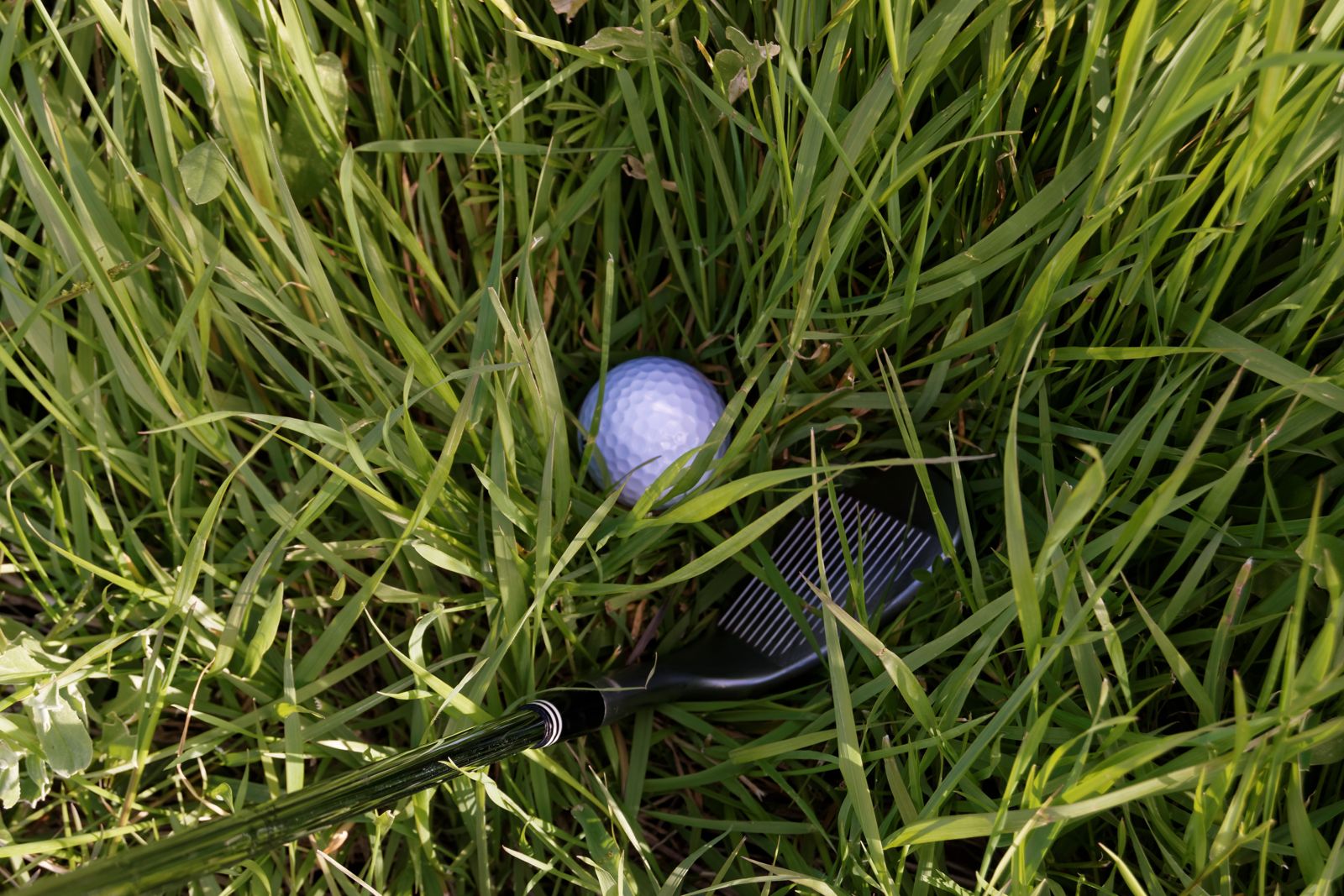
Kazuki Suzuki opened the ACN Tour's season-ending Delight Works JGTO Final with a 64 (six under par) on 27 October, sharing the first-round lead. Yet his post-round comments to the Japan Golf Tour Organization were less about celebrating the score than about identifying where he still needs to improve: approach-shot accuracy from inside 100 yards.
A strong opening does not solve the qualification puzzle
The tournament runs from 27 to 30 October on the East Course at Toride Kokusai Golf Club in Ibaraki. Eight golfers finished the opening round tied at six under. Suzuki was among them, but his objective is more complicated than pursuing a victory. He believes an outright second-place finish is required to secure a secondary eligibility route for next season.
Suzuki did not frame that placing as something he could simply choose to achieve. His approach is to try to save as many strokes as possible each day rather than become consumed by a particular finishing position. The distinction matters: a golfer can control the preparation and execution of a shot, while the leaderboard also depends on every other competitor.
Learning from a contender at the Fortinet Players Cup
Suzuki completed all four rounds at the preceding week's Fortinet Players Cup, finishing tied for 47th after playing in difficult conditions. During that event he played alongside Kazuki Yasumori, whose golf kept him in contention for the title. The experience supplied an unusually direct benchmark of Suzuki's own game.
Suzuki came away believing that some elements of his performance could stand up to comparison, but his shots from within 100 yards lacked the precision he needs. Improving those approaches is therefore a stated priority for the final week.
That observation has broader technical implications. Short-iron and wedge approaches demand reliable carry distance, landing control and an understanding of how the ball will react after reaching the green. A sound tee shot does not automatically create a realistic birdie opportunity if the subsequent approach leaves a long putt. These are editorial explanations of the challenge, not technical instructions attributed to Suzuki: he specifically identified the distance range and the accuracy issue, without detailing club specifications.
Trouble early, pars saved, composure retained
Suzuki's 64 was not the product of an entirely comfortable beginning. The JGTO account describes problems from the opening holes and several occasions when he had to save par. Rather than forcing an immediate recovery through aggressive decisions, he kept the round intact.
A plausible lesson from the previous week's difficult test is that surviving awkward lies and imperfect swings without panic can create the platform for a low score. That is our interpretation; Suzuki's documented remarks focus on the value of the experience and the areas where his game remains short of the required standard.
The next three rounds will tell the story
A share of the lead provides an excellent starting position, but it guarantees neither a high finish nor next-season eligibility. In a crowded leaderboard, one poor stretch could erase an opening advantage. Consistent approach distances and effective par saves are therefore likely to be as important as headline-making birdies.
Suzuki's background adds perspective. Now 25, he turned professional in December 2023 and competed chiefly in China during 2025, despite a roughly two-month interruption caused by a fractured left wrist. His official JGTO profile identifies short irons as a strength. That makes his candid assessment particularly revealing: even a relative strength requires continuous refinement when the competitive standard rises.
Analysis: The most instructive part of Suzuki's interview is not the 64 itself. It is the contrast between a share of the lead and a player who can still specify exactly which shots are preventing him from reaching his longer-term goal.
Sources: JGTO's original 27 October 2026 interview, the official player profile, and the first-round leaderboard. This is an original summary and analysis, not a verbatim transcript.