Why the first move deserves attention
The start of the backswing is not simply a race to lift the club. In a Flagstick Academy lesson published on 24 October 2026, Scott MacLeod introduces an alignment-stick exercise intended to help a golfer coordinate torso and arm motion early in the takeaway. The source also mentions improving awareness of the shaft's pitch. This is a coaching demonstration, not a newly published biomechanical experiment or a promise of extra distance.
Coordination does not mean rigidity
The arms, wrists and torso do not have to move as one immovable block. Players have different ranges of motion and ways of sequencing the club. The useful question is whether the opening movement looks and feels connected, rather than whether the hands lift independently while the chest remains completely still and the body has to catch up later. Avoid copying a single static position at the expense of balance and ball contact.
The shaft angle visible in a video can be a helpful reference, but it is not a universal target number. Camera placement, club length and individual movement can make similar swings look different. A frame from the takeaway cannot, by itself, explain a slice or a hook.
An accessible self-check
Start with a few slow rehearsals without a ball. If using an alignment stick, lay it on the ground outside the club's swing path, parallel to your intended target line. It serves only as a visual reference; do not strike it or place it near your hands, face or the ball. Rehearse the opening of the backswing to approximately shaft-parallel and pause. Did the torso begin to turn as the hands and club moved? Could you maintain balance without jerking the club into position?
A phone may help if used from a safe distance. Record from face-on and down-the-line positions, then compare attempts captured from the same camera location. Do not assume the stick setup used by the Flagstick instructor is identical to this editorial self-check: the brief accompanying text does not specify every placement detail, so view the original demonstration before attempting to reproduce it.
GOLFTWITT practice check: 18 balls
The following three sets of six shots are an original editorial observation exercise, not a scientifically validated training protocol and not a drill attributed to the Flagstick coach. Use a comfortable iron and a clear, safe range target.
Set one — your normal swing. Hit six balls without changing technique. Note clean contacts, the ball's initial direction and the range of outcomes.
Set two — a quiet rehearsal. Before each of six shots, make one slow, ball-free takeaway, paying attention to how the arms and torso begin to move. Then play the shot normally; avoid trying to micromanage your joints through impact.
Set three — a golf task. Change your precise target or intended ball flight between the last six shots. Judge contact and shot result, not whether the motion looked attractive.
Review the three sets together. A single range session or 18 shots cannot establish that you have improved motor learning or that a swing change will last. If the exercise produces pain, tension or a deterioration in contact, stop. A qualified coach can help you distinguish a takeaway issue from other causes of poor ball striking.
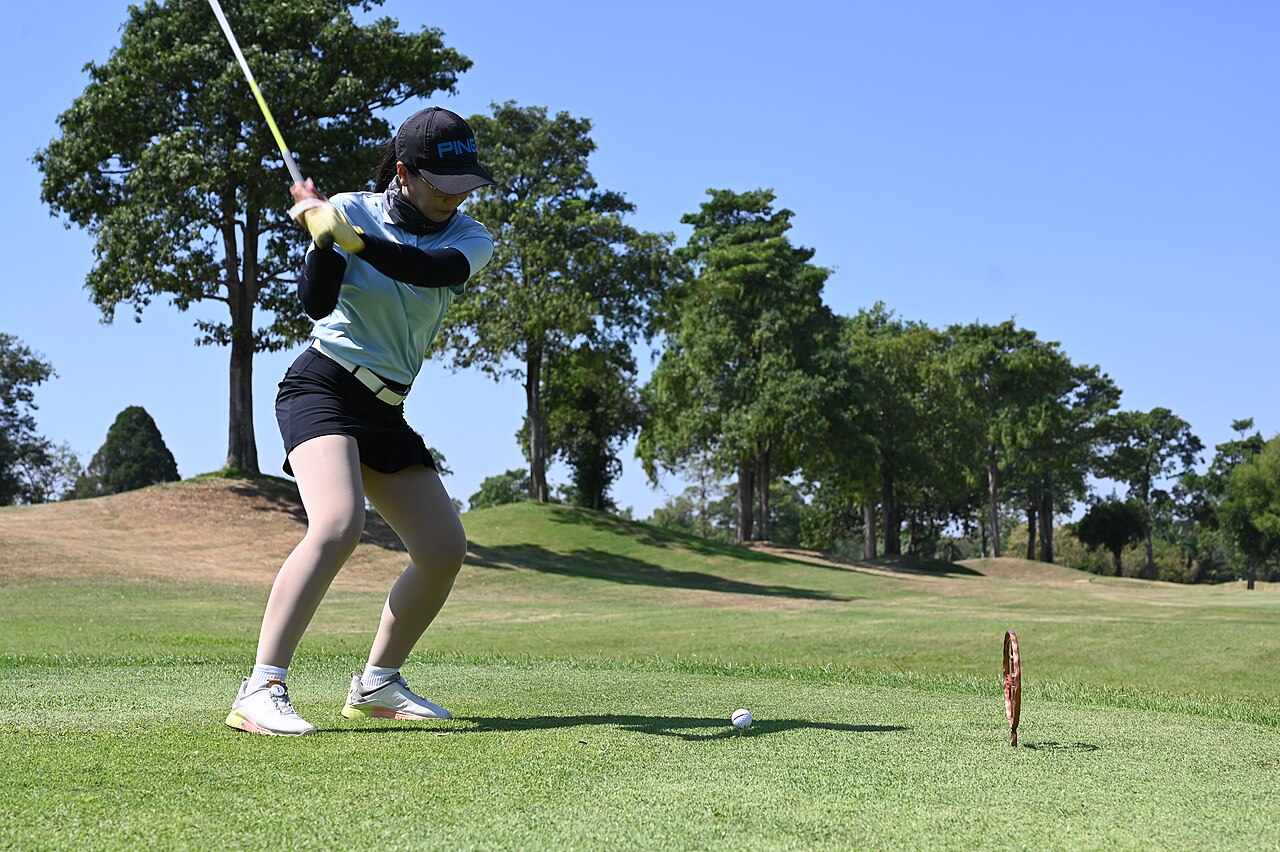
Original lesson: Scott MacLeod, Flagstick Academy, 24 October 2026 — https://flagstick.com/tee-shots/dial-in-your-backswing-flagstick-academy-instruction-series-2/. The accompanying historical photograph illustrates a golfer in her backswing; it does not depict the Flagstick Academy lesson.